
La Nueva Taberna: The Authentic Heart of Modern Spanish Dining
- August 21, 2026
- Uncategorized
La Nueva Taberna: The Authentic Heart of Modern Spanish Dining La Nueva Taberna has firmly established itself as a culinary sanctuary for... Read More
 by jeffwarden
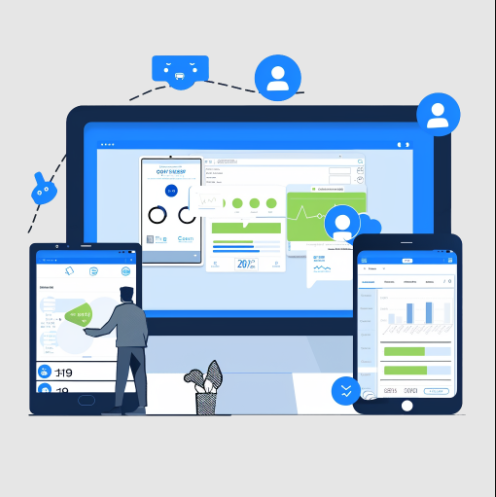
We have all been there. You send a quick message to a brand’s Facebook page at 11:00 PM, fully expecting to wait until morning for a response. Instead, a friendly reply pops up within three seconds. It answers your question, guides you to the right product link, and wishes you a great night.
Magic? Not quite. It is Facebook automation at work.
Managing a presence on the world’s largest social network can quickly feel like a full-time job that never actually ends. Between posting updates, replying to comments, managing Messenger inquiries, and running ad campaigns, hours vanish. This is where automation steps in to save your sanity.
However, there is a catch. If you rely too heavily on scripts and bots, your brand starts sounding like a telemarketing robot from the 1990s. Used correctly, a Facebook automation tool can multiply your output and keep your audience happy. Used carelessly, it will alienate the very people you are trying to reach.
Let’s look at how to strike the right balance.
Remember when you could just post a status update, reply to a few comments over coffee, and call it a day? Those years are gone.
Today’s algorithms demand consistency, speed, and constant engagement. If someone comments on your post, they expect a reply while the thought is still fresh in their mind—not three days later. If you run a growing business, keeping up manually leads straight to burnout.
Here is what happens when you try to do everything by hand:
Automation fixes these bottlenecks. It handles the repetitive, low-level friction of digital marketing so you can focus on strategy, content creation, and closing deals.
Before you plug a bot into every corner of your Facebook page, you need to know where automation helps and where it hurts.
Routine tasks are prime real estate for automation. They require zero emotional intelligence and benefit greatly from speed.
Some tasks lose their value the second a machine touches them. If you automate these areas, your audience will notice—and they won’t like it.
If you decide to bring software into your workflow, you need a strategy. Not all tools are built the same, and what works for a massive e-commerce store will likely overwhelm a local service provider.
Before buying third-party software, explore Meta Business Suite. Facebook’s native platform offers robust free scheduling tools and automated responses that handle a surprising amount of heavy lifting.
If you set up an automated chat sequence, do not trap users in an endless loop of menus. A good rule of thumb is the “three-click rule.” If a user cannot find what they need or reach a human within three prompts, your automation is too complex. Always provide an easy escape hatch, such as: “Or type ‘HUMAN’ at any time to speak with a member of our team.”
Too many businesses write their automated messages in formal, corporate speak. Instead of writing: “Your inquiry has been successfully logged into our system,” try writing: “Thanks for reaching out! We got your message and will text you back shortly.” Keep your brand voice alive, even when the computer is doing the typing.
Not if you use approved tools that comply with Meta’s terms of service. Meta provides official APIs for messaging and publishing. However, if you use unauthorized scraping tools, spam third-party comment sections, or buy fake engagement bots, your page risks getting restricted or banned.
No. Automation handles logistics, speed, and volume. A human community manager handles empathy, nuance, creativity, and relationship building. Think of automation as your assistant, not your replacement.
Look at your metrics. If people start a conversation with your Messenger bot and immediately drop off before answering the first prompt, your flow is likely too rigid or aggressive. Read through your chat logs periodically to see where users get stuck.
Efficiency and authenticity do not have to be enemies. Used correctly, a Facebook automation tool acts as a bridge, connecting eager customers to the information they need without burning out your team in the process.
The secret lies in intent. Automate the tasks that require speed and repetition, but protect the spaces that require empathy and genuine connection. When you respect your audience’s time and their desire to talk to actual human beings, your social media presence stops feeling like a machine and starts feeling like a community.

Join The Discussion