
Is Mobile Casino Gaming Worth the Hype? Discover the Pros and Cons
- November 5, 2026
- Uncategorized
Is Mobile Casino Gaming Worth the Hype? Discover the Pros and Cons In recent years, mobile casino gaming has seen a remarkable... Read More
 by meh.riztech
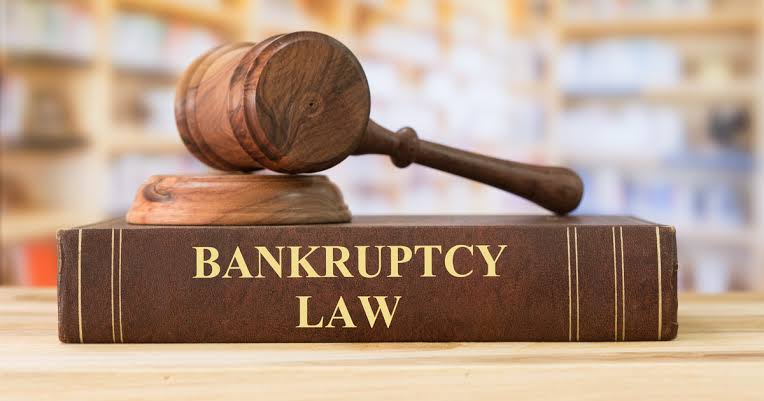
Financial hardship can happen quickly. A job loss, unexpected medical bills, high-interest debt, divorce, or a failed business can leave someone struggling to keep up with payments that once seemed manageable. When debt starts affecting housing, transportation, or basic household expenses, bankruptcy may become one option worth understanding. Speaking with an akron bankruptcy attorney can help a person evaluate the legal options available based on their circumstances.
Bankruptcy is not simply a way to erase bills. It is a legal process governed by federal law, and the outcome can depend on the type of bankruptcy filed, the debtor’s income and assets, the nature of the debts, and whether required procedures are followed correctly. Understanding the basics before making a decision can prevent expensive mistakes and unrealistic expectations.
Bankruptcy generally provides individuals with a structured way to address overwhelming debt. Depending on the circumstances, a case may involve eliminating certain unsecured debts, establishing a repayment plan, protecting qualifying assets, or stopping certain collection activities.
Two chapters commonly associated with individual bankruptcy are Chapter 7 and Chapter 13.
Chapter 7 is often associated with liquidation bankruptcy. Qualifying unsecured debts may be discharged after the required process is completed. However, filing Chapter 7 does not automatically mean that every asset will be sold. Exemptions can protect certain property, subject to applicable law and individual circumstances.
Chapter 13 works differently. Instead of immediately seeking a discharge through liquidation, an eligible individual generally proposes a repayment plan lasting several years. The plan can allow the debtor to catch up on certain secured debts while dealing with qualifying unsecured obligations under court supervision.
Neither option is automatically appropriate for everyone. A person with substantial equity in property, irregular income, recent financial transactions, or debts that may not be dischargeable may need a more detailed analysis before choosing a path.
Start by listing every debt rather than focusing only on the creditors making the most phone calls.
Include:
Also document monthly income, household expenses, bank balances, retirement accounts, vehicles, real estate, and other significant property.
For example, someone might believe they have $50,000 in debt, only to discover that taxes, a vehicle loan, and a personal guarantee increase their total obligations substantially. The distinction matters because different debts can receive different treatment in bankruptcy.
A secured debt is generally connected to collateral. A mortgage and auto loan are common examples. If payments stop, the creditor may have rights involving the underlying property.
Unsecured debts typically do not have specific collateral attached to them. Credit card balances and many medical bills fall into this category.
This distinction becomes particularly important when someone wants to keep a home or vehicle. Bankruptcy may address the debt while leaving separate questions about ownership, liens, and ongoing payments.
Eligibility for certain bankruptcy options can depend on income and household size. The analysis may also consider expenses and other financial circumstances.
Gather recent pay stubs, tax returns, bank statements, and records of other income before making major decisions. Accurate information is essential because bankruptcy paperwork is filed under penalty of perjury.
One of the most important steps is determining what property you own and how it may be treated.
Common assets that should be reviewed include:
Exemptions can protect certain property, but exemption rules are specific and should not be assumed based on general internet advice.
For instance, a homeowner with significant equity may face very different considerations from a renter with little property. Understanding the numbers before filing can help avoid unpleasant surprises.
Do not transfer property to relatives, sell valuable assets for unusually low prices, withdraw large amounts of cash, or take on new debt simply because bankruptcy is being considered.
Recent transactions can receive scrutiny in bankruptcy proceedings. A seemingly harmless attempt to protect property could create additional legal complications.
If a major financial transaction occurred recently, disclose it when seeking professional advice rather than assuming it is irrelevant.
One frequent mistake is waiting until a creditor has already obtained a judgment, garnishment, or other collection remedy before investigating available options. Waiting does not necessarily eliminate bankruptcy as an option, but timing can affect the situation.
Another mistake is assuming that bankruptcy eliminates every type of debt. Certain obligations can receive special treatment or may not be dischargeable under applicable law. Examples can include some tax obligations, certain student loan debts, domestic support obligations, and debts arising from particular types of misconduct.
People also sometimes underestimate the importance of accurate paperwork. Omitting a creditor, undervaluing an asset, or providing incomplete financial information can create serious problems.
Using online calculators or general bankruptcy articles can be useful for learning terminology, but they should not replace individualized legal analysis when significant assets or complicated debts are involved.
Preparation can make an initial consultation considerably more productive.
Bring recent tax returns, pay statements, bank statements, mortgage or lease information, vehicle loan documents, credit-card statements, collection letters, court notices, and information about valuable property.
It is also helpful to prepare a timeline of major financial events. Include job changes, major medical expenses, lawsuits, property transfers, inheritances, business closures, and other events that contributed to the financial problem.
Be completely honest. Attorneys can only provide useful advice when they have accurate information. Hiding a debt or asset because it seems embarrassing or insignificant can create much larger problems later.
Finally, consider the broader financial goal. Bankruptcy may address immediate debt pressure, but rebuilding financial stability requires a plan for what happens afterward. Reviewing household expenses, establishing an emergency fund when possible, monitoring credit reports, and avoiding unaffordable new obligations can help create a more sustainable financial foundation.
Bankruptcy is a significant legal and financial decision, but understanding the process can make an overwhelming situation easier to evaluate. Start by documenting debts, income, expenses, and assets; understand the difference between Chapter 7 and Chapter 13; review exemptions and potentially nondischargeable debts; and avoid making major financial moves without understanding their consequences.
Most importantly, treat bankruptcy as a legal process rather than simply a debt-erasure strategy. Careful preparation and accurate information can help individuals understand their available options and make decisions based on their actual financial circumstances.
QuickBooks contains all of the vital financial data like transactions, customers’ information, invoices, and other reports for the business. A good backup... Read More
For UK gamblers looking to manage... Read More

The Role of a Range in... Read More

The Benefits of Quality Metal Fencing... Read More
Join The Discussion