

Is Mobile Casino Gaming Worth the Hype? Discover the Pros and Cons
- November 5, 2026
- Uncategorized
Is Mobile Casino Gaming Worth the Hype? Discover the Pros and Cons In recent years, mobile casino gaming has seen a remarkable... Read More
 by meh.riztech
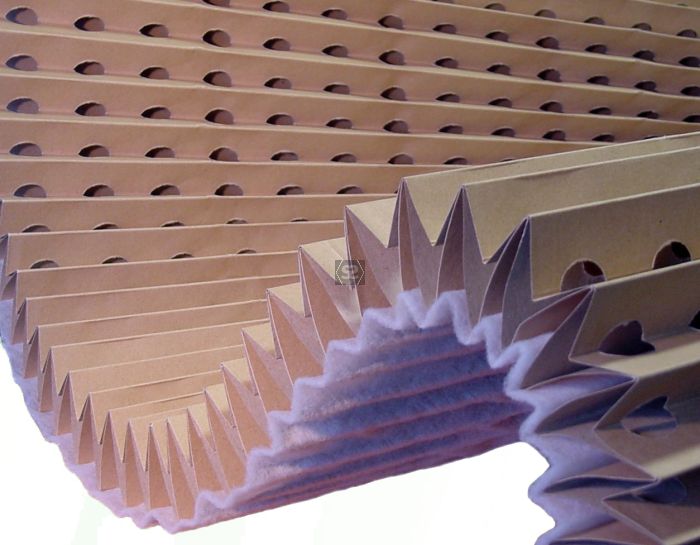
A spray booth can only perform as intended when its filtration system is properly selected and maintained. The right spray booth filters help capture overspray, protect exhaust equipment, maintain airflow, and reduce the amount of coating material released into surrounding areas. When filters become saturated or the wrong filter type is installed, even a well-designed booth can experience poor performance.
Filter selection is not simply a matter of buying the most efficient filter available. The coating being sprayed, booth design, airflow requirements, paint volume, filter capacity, and maintenance schedule all affect which filter is appropriate. Understanding these factors makes it easier to avoid premature filter loading and inconsistent booth performance.
Spray booth filters are filtration components designed to capture airborne paint particles, coatings, powders, or other contaminants generated during spraying operations. They are commonly used in automotive refinishing, industrial painting, woodworking, furniture production, metal finishing, and manufacturing environments.
Their primary job is to prevent overspray from traveling through the exhaust system. Depending on the booth configuration, filters may be positioned in the intake system, exhaust area, or both.
A properly functioning filtration system provides several important benefits:
For example, consider an automotive shop spraying several vehicle panels each day. If the exhaust filter becomes heavily loaded with paint, airflow can gradually decline. The painter may notice that fumes or overspray do not clear as quickly, while the finish itself may become less consistent. Replacing the filter at the appropriate point can restore the intended airflow.
Choosing a filter should begin with the application rather than the filter’s appearance or price. Several characteristics deserve attention.
Different coatings produce different types and quantities of overspray. Water-based coatings, solvent-based paints, lacquers, enamels, primers, and powder coatings can place different demands on filtration media.
Check the booth manufacturer’s specifications and the coating manufacturer’s safety and application guidance before selecting replacement media.
Filter efficiency describes how effectively a filter captures particles of a particular size. Higher efficiency is not automatically better in every application.
A filter that captures particles extremely aggressively may also create greater resistance to airflow as it loads. The filtration system therefore needs to balance particle capture with the airflow requirements of the booth.
Pressure drop is an important practical consideration. As a filter collects overspray, resistance generally increases.
If a replacement filter has substantially different resistance characteristics from the original specification, the booth may not operate as designed. Always consider the fan capacity and the booth’s required airflow when evaluating alternatives.
A filter needs to fit securely within its housing. Gaps around the edges can allow contaminated air to bypass the filtration media.
Measure the existing filter carefully, including length, width, depth, frame configuration, and mounting method. If the booth manufacturer specifies a particular filter size or configuration, use those specifications as the starting point.
Good filtration depends as much on maintenance as it does on initial selection.
When new filters are installed, record relevant operating information such as airflow readings, fan performance, and pressure differential if the booth has monitoring equipment.
This provides a useful reference point later. Instead of guessing whether a filter is becoming restricted, maintenance personnel can compare current readings with the baseline.
Create a routine inspection schedule based on actual booth usage. A booth operating a few hours per week will have different filter requirements from one running multiple shifts every day.
Look for:
Uneven loading can sometimes indicate airflow problems rather than simply a dirty filter.
Where appropriate, pressure gauges or differential-pressure monitoring can provide a more objective indication of filter loading.
A rising pressure differential generally indicates increasing resistance. However, the correct replacement threshold should come from the booth or filtration system specifications rather than an arbitrary number.
When replacement is necessary, install the new filter according to the manufacturer’s orientation and mounting instructions.
Make sure the filter sits firmly in its housing. Even a high-quality filter cannot perform properly if air can travel around rather than through the filtration media.
Record installation dates, operating hours where available, coating type, and replacement dates. Over time, this information can reveal useful patterns.
For instance, a shop may discover that filters last 30 days during normal production but only 15 days when a particular high-volume coating process is running. That information can improve inventory planning and preventive maintenance.
One of the most common mistakes is waiting until a filter looks completely dirty before replacing it. Visual appearance can be misleading. A filter may already be creating excessive airflow resistance even though it does not appear dramatically different.
Another mistake is selecting a replacement solely because it is cheaper. A filter with different airflow characteristics may affect the performance of the entire booth.
Improper installation is another frequent problem. Missing seals, incorrect orientation, damaged media, and poorly fitted frames can create bypass paths.
Finally, operators sometimes change filters without investigating why they are loading unusually quickly. Rapid loading may indicate excessive overspray, incorrect spraying technique, inadequate booth airflow, poor filter placement, or an unsuitable filtration stage.
Use filter life as a performance indicator. If replacement intervals suddenly become much shorter, investigate the cause rather than simply ordering more filters.
Keep spare filters available. Running a production booth with heavily loaded filters because replacements have not arrived can create unnecessary operational problems.
Avoid unnecessary filter changes. Replacing a filter too early increases operating costs and wastes usable filtration capacity. Use manufacturer guidance and measurable performance indicators whenever possible.
Inspect the entire airflow path. Filters are only one part of the system. Fans, ducts, intake openings, exhaust paths, and dampers can all influence airflow.
Train operators to recognize changes. Painters and booth operators are often the first people to notice slower overspray removal, unusual airflow, or visible contamination. Their observations can help maintenance teams identify problems early.
Keep coating practices consistent. Excessive spray application can overwhelm filtration media quickly. Proper gun setup, spray distance, pressure, and application technique can reduce unnecessary overspray.
Spray booth filters are an essential part of maintaining controlled airflow and effective overspray capture. The best filtration setup depends on the coating material, booth configuration, airflow requirements, filter efficiency, and operating conditions.
Rather than treating filters as disposable components that are changed only when they look dirty, businesses should monitor performance, inspect filtration systems regularly, and document replacement patterns. Proper selection and maintenance can help maintain consistent booth operation, prevent avoidable airflow problems, and make filtration costs more predictable.

QuickBooks contains all of the vital financial data like transactions, customers’ information, invoices, and other reports for the business. A good backup... Read More

Join The Discussion