

Understanding Common Range Problems and Repair Needs
- November 6, 2026
- blog
The Role of a Range in Everyday Cooking A kitchen range is an essential appliance that combines cooking functions to support daily... Read More
 by meh.riztech
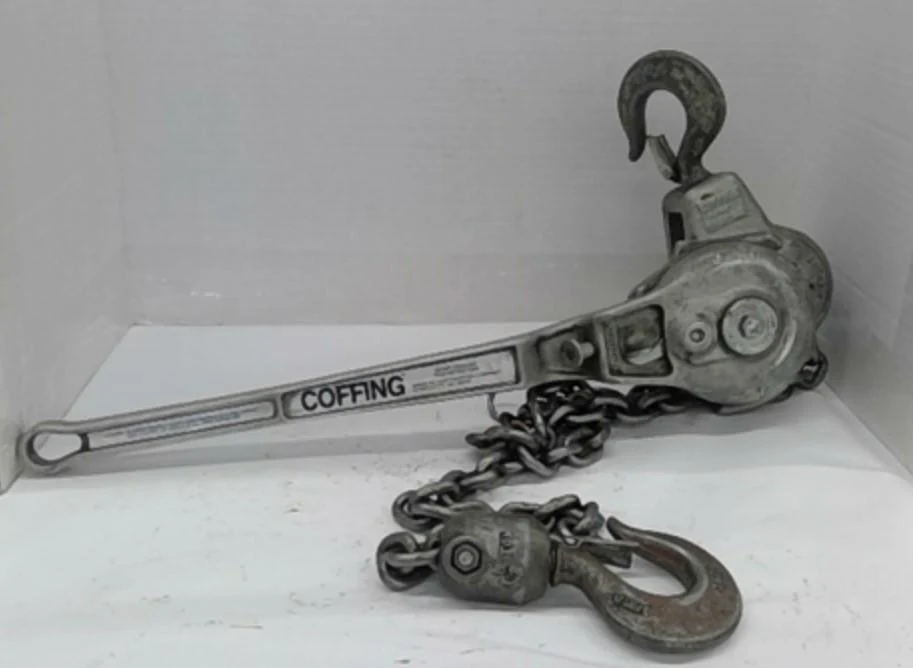
When lifting equipment, machinery, materials, or fabricated components in a workshop, the difference between a controlled lift and an unsafe one often comes down to choosing the right hoist. A coffing hoist is commonly associated with electric chain hoists designed for dependable material handling in industrial and commercial environments. Understanding how these hoists work, what specifications matter, and how to operate them properly can help users avoid unnecessary downtime and unsafe lifting practices.
A hoist is more than simply a motor that moves a load upward. Capacity, lifting speed, duty cycle, lift height, controls, chain condition, mounting arrangement, and the working environment all affect performance. A hoist that is suitable for occasional maintenance work may not be appropriate for repetitive production lifting. That is why selecting equipment based solely on maximum capacity can lead to poor results.
A Coffing hoist is a type of industrial lifting device commonly used to raise and lower suspended loads. Electric chain hoists use an electric motor and mechanical transmission system to move a load chain through a load sprocket. The chain connects to a load hook, allowing equipment and materials to be lifted vertically.
These hoists are commonly found in manufacturing plants, maintenance facilities, machine shops, warehouses, fabrication operations, and other workplaces where overhead lifting is required.
The basic operating components typically include:
The exact configuration varies by model and application, so the manufacturer’s documentation should always be used when identifying specifications or operating requirements.
Choosing a hoist should start with the actual lifting application rather than the equipment’s brand or appearance. Several specifications deserve attention.
The first consideration is the weight of the heaviest load you intend to lift.
For example, if maintenance personnel normally lift components weighing 1,200 pounds, selecting a hoist with a capacity only slightly above that figure may leave little practical margin. However, simply choosing the largest available hoist is not necessarily better either. Oversized equipment can add unnecessary cost, weight, and installation requirements.
Always consider the complete suspended load, including lifting fixtures, slings, hooks, spreader bars, and other accessories.
Lift height determines how much chain the hoist needs to accommodate. A maintenance application may require only a few feet of vertical travel, while a production line could require substantially more.
Measure the distance between the hoist’s mounting point and the lowest required load position. Make sure the selected configuration provides sufficient working travel without creating unnecessary excess chain.
Not every application needs the same lifting speed.
A slower lifting speed can provide greater control when positioning expensive machinery or delicate components. Faster lifting may be useful where operators repeatedly move standardized loads during production.
If the job requires both speed and precise positioning, a configuration offering multiple operating speeds may be worth considering.
Duty cycle is particularly important in industrial environments.
A hoist used occasionally for maintenance does not experience the same workload as one operating repeatedly throughout a production shift. Frequent starts, stops, and lifting cycles increase mechanical and electrical demands.
Before selecting equipment, estimate:
This information provides a much better basis for equipment selection than maximum load capacity alone.
Once the appropriate hoist has been selected, safe operation depends heavily on preparation and inspection.
Before lifting, inspect the hoist and its visible components. Look for damaged hooks, distorted hardware, unusual chain wear, damaged controls, loose components, or other obvious defects.
The load chain deserves particular attention because it directly carries the suspended load.
The hoist itself may be correctly rated while the rigging arrangement is not.
Check slings, shackles, hooks, lifting points, and other accessories. Confirm that the rigging is suitable for the load and properly positioned.
Never assume that a heavy-looking sling or hook automatically has sufficient capacity.
A load should remain stable throughout the lift. Determine its center of gravity and position the lifting connection accordingly.
For example, lifting an uneven machine from a single point that is not aligned with its center of gravity can cause the machine to tilt unexpectedly.
Raise the load only a short distance initially. Stop and check whether the load remains balanced and the rigging remains properly positioned.
If the load shifts, lower it and correct the rigging before continuing.
Avoid sudden starts, stops, or side loading. Keep personnel away from suspended loads and maintain clear communication when multiple workers are involved.
A controlled lift is generally easier to monitor and reduces unnecessary stress on the lifting equipment.
One common mistake is selecting a hoist based only on its rated capacity. Capacity matters, but operating frequency, lift height, speed, and environment can be equally important.
Another problem is side pulling. Chain hoists are designed primarily for vertical lifting. Pulling a suspended load sideways can introduce forces that the hoist and supporting structure were not designed to handle.
Ignoring the supporting structure is another serious oversight. A properly rated hoist does not make an inadequate beam or mounting point safe. The complete lifting system must be capable of supporting the intended load.
Poor maintenance can also create problems. Chain lubrication, brake inspection, electrical checks, and periodic examination should follow the manufacturer’s requirements and applicable workplace safety standards.
Keep inspection records for frequently used lifting equipment. A simple log can help maintenance teams identify recurring problems before they become operational failures.
Train operators to recognize abnormal sounds, unusual chain movement, brake problems, damaged hooks, and other warning signs. Operators are often the first people to notice changes in equipment behavior.
Avoid using a hoist as a permanent storage system. Leaving loads suspended unnecessarily increases risk and places continued stress on lifting components.
Finally, use the manufacturer’s operating manual for model-specific limits, inspection procedures, lubrication requirements, and maintenance intervals. When regulations or workplace procedures impose additional requirements, those requirements should also be followed.
A Coffing hoist can be a practical solution for controlled vertical material handling, but reliable performance depends on more than selecting a suitable lifting capacity. Lift height, speed, duty cycle, rigging, supporting structures, inspections, and operator practices all influence the safety and effectiveness of the lifting system.
The best approach is to evaluate the complete application before purchasing or installing a hoist, then establish consistent inspection and operating procedures. With the right equipment and disciplined lifting practices, businesses can reduce avoidable equipment problems while making routine material handling more controlled and predictable.


For UK gamblers looking to manage... Read More

The Role of a Range in... Read More

The Benefits of Quality Metal Fencing... Read More

Join The Discussion