Your home’s exterior plays an important role in protecting your property from changing weather conditions while maintaining its appearance and value. In North York, homes experience everything from hot, humid summers to freezing winters, heavy snowfall, and seasonal temperature fluctuations. Over time, these conditions can gradually wear down exterior paint, leaving siding, wood trim, doors, and other exposed surfaces vulnerable to damage. Although fading paint may initially appear to be a minor cosmetic concern, deteriorating coatings can indicate that your property’s protective finish is no longer performing effectively. When moisture reaches exposed building materials, it can contribute to wood rot, peeling surfaces, and costly repairs if the underlying problems remain untreated.
Recognizing the early warning signs of paint deterioration helps homeowners address these issues before they become more serious. Hiring a professional Exterior Painting Service in North York can restore your property’s appearance while helping protect suitable exterior surfaces against moisture and weather exposure. Whether you own a detached house, manage a rental property, or maintain a commercial building, regular exterior inspections can help you determine when repainting is necessary. In this guide, we explain the most common signs that your exterior paint needs attention, the preparation steps required for a durable finish, and the benefits of choosing experienced painting professionals.
1. Look for Peeling, Flaking, and Blistering Paint
One of the clearest signs that your home needs exterior painting is paint that begins to peel, crack, or separate from the underlying surface. These problems can develop when moisture becomes trapped beneath the coating, the surface was not properly prepared, or the existing paint has deteriorated with age. Applying another coat over loose paint will rarely provide a lasting solution.
Why Damaged Paint Requires Attention
When paint loses adhesion, exposed wood and other vulnerable materials may come into direct contact with rain, snow, and humidity. Prolonged exposure can contribute to deterioration, particularly around window frames, exterior doors, fascia boards, and siding joints. Inspect these areas regularly, especially after harsh weather. If you notice extensive peeling or blistering, have the surface assessed to determine whether moisture intrusion or another underlying problem needs to be corrected before repainting.
2. Check for Faded Colors and Powdery Residue
Exterior paint gradually changes as it is exposed to sunlight, temperature variations, and environmental pollutants. Colors that once appeared rich and vibrant may become dull, uneven, or noticeably lighter.
What Exterior Chalking Means
Run your hand gently across a dry, painted surface. If a powdery residue transfers to your fingers, the coating may be experiencing a process known as chalking. Chalking can occur as the paint’s binding components deteriorate under ultraviolet exposure. Some degree of chalking may be normal as coatings age, but excessive residue can indicate that the existing finish needs attention. Before applying new paint, the surface should be cleaned appropriately and assessed for adhesion. Proper preparation helps prevent loose residue from interfering with the new coating. A fresh exterior paint application can restore color consistency and give your North York property a cleaner, more maintained appearance.
3. Inspect Caulking Around Windows and Doors
Caulking is an important part of maintaining your home’s exterior because it helps seal gaps around window frames, doors, trim, and other joints. Over time, caulk may shrink, harden, crack, or separate from adjoining surfaces. These changes can allow water and air to enter areas that should remain protected.
Prevent Water from Entering Through Open Gaps
Pay particular attention to joints around windows, exterior doors, corner trim, and areas where different building materials meet. Damaged caulking should be removed where necessary and replaced with a suitable exterior sealant compatible with the adjoining materials. The surface must be prepared correctly to achieve reliable adhesion. Repainting without addressing deteriorated caulking can leave vulnerable gaps unprotected. Coordinating caulking repairs with your exterior painting project helps create a more complete maintenance solution.
4. Watch for Moisture Stains, Mildew, and Algae
Dark patches, green streaks, and mildew-like growth on exterior walls can indicate persistent moisture or limited sunlight and airflow. These conditions are particularly common on shaded elevations and around areas where water does not drain effectively. However, visible growth does not automatically mean the paint has failed. The source of moisture should be investigated before deciding whether repainting is necessary.
Address the Cause Before Applying New Paint
Inspect gutters, downspouts, roof edges, and nearby landscaping to determine whether water is repeatedly reaching the affected surfaces. Appropriate cleaning can remove surface contaminants, but underlying drainage or moisture problems may require separate repairs. If the existing coating has deteriorated, repainting with a suitable exterior product can help restore protection after the source of the problem has been corrected. Professional assessment is especially useful when stains return quickly or the affected area shows signs of damaged siding or wood.
5. Examine Exterior Trim, Siding, and Garage Doors
Exterior trim and other architectural details often show signs of aging before larger wall surfaces. Window sills, fascia boards, shutters, garage door surrounds, and front entry doors are regularly exposed to sunlight and precipitation. When these surfaces become faded, cracked, or visibly worn, they can make the entire property appear neglected.
Refresh the Details That Influence Curb Appeal
Repainting doors, shutters, window trim, and garage surrounds can create a noticeable improvement without requiring a major renovation. For wooden components, inspect for soft spots, rot, or other damage before painting. Damaged material should be repaired or replaced as appropriate. Metal and masonry surfaces may require different preparation methods and coatings. A coordinated exterior color scheme can also help highlight architectural features and create a more welcoming first impression.
6. Prepare Exterior Surfaces Properly Before Repainting
A durable exterior paint finish depends on more than selecting a high-quality product. Thorough surface preparation is essential for achieving reliable adhesion and consistent coverage.
Clean Away Dirt and Contaminants
Exterior surfaces accumulate dust, pollen, pollution, mildew, and chalky residue. Cleaning removes these contaminants and prepares the surface for subsequent work. Pressure washing may be appropriate for certain materials, but the pressure and technique must be selected carefully to avoid damaging siding, forcing water behind cladding, or harming older surfaces. Allow the substrate to dry sufficiently before proceeding with repairs, priming, or painting.
Remove Loose Paint and Repair Damaged Areas
Scraping and sanding help eliminate loose coatings and create smoother transitions between bare and previously painted surfaces. Cracks, small holes, and damaged sections should be repaired using materials suitable for the substrate. More serious deterioration may require carpentry or other specialist repairs before painting begins.
Apply the Correct Primer and Exterior Sealant
Primer helps improve adhesion, seal porous surfaces, and block certain stains when the appropriate formulation is selected. Bare wood, rust-prone metal, masonry, and previously painted surfaces may require different products. Exterior joints should also be sealed where appropriate using compatible materials. Choosing the correct preparation system helps the final coating perform as intended under North York’s changing weather conditions.
7. Select Exterior Paint Designed for Your Property
Not every paint product is suitable for every surface. The best coating depends on the building material, existing finish, exposure conditions, and manufacturer’s recommendations.
Residential Exterior Painting
Quality exterior acrylic latex paints are commonly used on suitable wood siding, trim, and other compatible surfaces. They offer a practical combination of weather resistance, color retention, and flexibility. Elastomeric coatings may be suitable for certain masonry or other approved substrates, but they should not be applied universally. Product compatibility and the condition of the underlying surface must be assessed first.
Interior Painting for a Complete Property Refresh
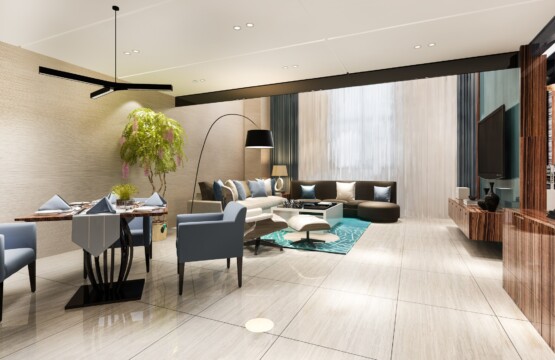
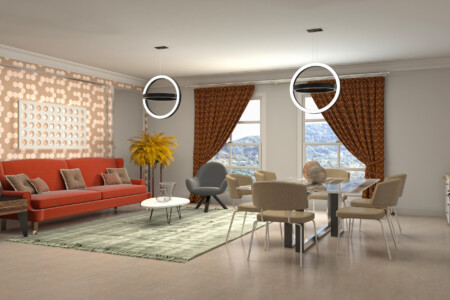
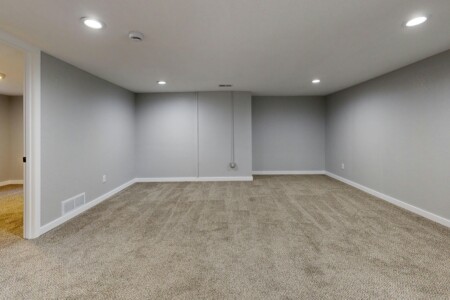
While inspecting your exterior, you may also notice faded walls, scuffed hallways, or outdated interior colors. An Interior Painting Service in North York can help refresh these spaces using appropriate finishes for each room. Washable eggshell and satin paints are common choices for many living areas, while other finishes may be preferable depending on moisture, cleaning requirements, and the desired appearance.
Commercial Painting for Business Properties
Commercial buildings require coatings suited to their surfaces, usage levels, and environmental exposure. A professional Commercial Painting Service in North York can help property owners select suitable products for offices, retail spaces, and other commercial environments. Careful preparation and appropriate coating selection help maintain a professional appearance while supporting long-term surface maintenance.
Why Choose A2Z Painting Services in North York?
Exterior painting requires careful planning, suitable materials, and experienced application. At A2Z Painting Services, we help residential and commercial property owners improve the appearance and condition of their properties through professional painting solutions.
Our approach emphasizes the details that contribute to a reliable result:
- Thorough preparation: We address loose paint, surface imperfections, and other preparation requirements before applying new coatings.
- Suitable paint selection: We recommend products according to the substrate, intended use, and environmental exposure.
- Respectful work practices: We take appropriate steps to protect landscaping, walkways, decks, and surrounding property during the project.
- Clear project estimates: Our estimates outline the expected work, preparation requirements, and materials so you can make informed decisions.
Whether your home needs a complete exterior repaint or selected surfaces require attention, we can help you understand the available options.
Protect Your North York Home with Timely Exterior Painting
Exterior paint does more than improve the appearance of your property. When correctly selected and applied to a suitable surface, it also helps protect vulnerable building materials from environmental exposure. Peeling paint, excessive chalking, cracked caulking, persistent moisture stains, and deteriorating trim are all reasons to inspect your home’s exterior more closely. Addressing these warning signs early can help prevent avoidable maintenance problems and keep your property looking its best.
If you are searching for a reliable Exterior Painting Service in North York, A2Z Painting Services can help assess your painting requirements and recommend an appropriate approach. Contact A2Z Painting Services today to arrange a property evaluation and request a customized estimate. Give your home the attention it needs with professional exterior painting designed to improve curb appeal and support lasting surface protection.

 by




Join The Discussion