


Understanding Common Range Problems and Repair Needs
- November 6, 2026
- blog
The Role of a Range in Everyday Cooking A kitchen range is an essential appliance that combines cooking functions to support daily... Read More
 by meh.riztech
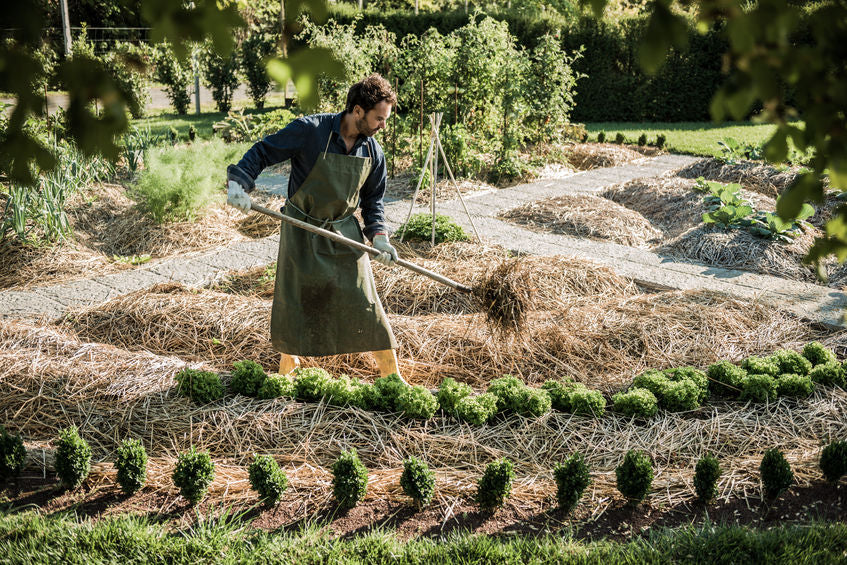
Mulch often looks like a finishing touch added after planting, but experienced gardeners know it plays a much bigger role. The right mulch can influence soil moisture, temperature, weed growth, plant health, and even how much maintenance a landscape requires throughout the season.
The challenge is that not all mulch works the same way. Wood chips, shredded bark, compost, straw, pine needles, and inorganic materials each behave differently once they are spread around plants. Choosing the wrong material—or applying the right material incorrectly—can create problems instead of solving them.
If you understand what mulch actually does and how to use it correctly, it becomes one of the simplest tools for improving a garden or landscape. The key is matching the material, depth, and application method to the plants and conditions on your property.
Mulch is a protective layer placed over the surface of soil. Its primary purpose is not decoration. It changes the environment immediately around plant roots.
One of its most useful functions is moisture conservation. Bare soil loses water quickly through evaporation, particularly during hot and windy weather. A suitable mulch layer reduces direct exposure to the sun and slows moisture loss. That means plants may require less frequent irrigation.
Mulch also moderates soil temperature. During summer, it helps keep the root zone cooler. During colder periods, it can provide insulation against rapid temperature changes. This is particularly useful for shallow-rooted plants whose roots are more exposed to fluctuations near the soil surface.
Another major benefit is weed suppression. A sufficiently thick layer blocks light from reaching many weed seeds, making it harder for them to germinate and establish.
Organic materials can provide another advantage as they break down. Wood-based mulch, shredded leaves, compost, and similar materials gradually contribute organic matter to the soil. However, the speed and extent of this benefit depend on the material and the existing soil conditions.
Applying mulch is straightforward, but getting the details right makes a significant difference.
Start by asking what you want the mulch to accomplish.
If your primary concern is conserving water, prioritize a material that provides good soil coverage and does not break down extremely quickly. If weed suppression is the priority, consistent coverage and adequate depth matter more than appearance.
For ornamental beds, aesthetics may also influence the choice. In vegetable gardens, however, factors such as decomposition, accessibility, and compatibility with annual crops may be more important.
There is no universally perfect mulch.
Wood chips are useful around trees, shrubs, and established landscape beds. They can provide long-lasting coverage and a natural appearance.
Shredded bark is commonly used around ornamental plants because it has a uniform appearance and can remain in place relatively well.
Straw can work particularly well in vegetable gardens and around certain crops. It is lightweight and eventually decomposes, although it may contain weed seeds depending on its source.
Compost can improve soil organic matter while providing surface protection, but it usually behaves differently from coarse wood mulch and may need more frequent replenishment.
Grass clippings can be useful when applied properly. Fresh, wet clippings placed in a thick layer can become compacted and develop unpleasant odors, so thin applications are generally more practical.
Leaves are another valuable option. Shredding them before application helps prevent dense mats that restrict water and air movement.
Remove large weeds before spreading mulch. If weeds are already established, simply covering them may not solve the problem.
Water the soil if it is unusually dry, particularly around newly planted vegetation. Mulch should help retain moisture already available in the soil; it should not be treated as a substitute for proper watering.
Avoid working heavily compacted soil simply for the sake of applying mulch. Address underlying drainage or compaction problems separately.
Depth matters more than many homeowners realize.
A thin layer may not provide meaningful weed suppression or moisture conservation. An excessively deep layer can restrict air movement, retain too much moisture, and create unfavorable conditions around plant stems.
For many landscape applications, roughly 2 to 4 inches is a practical range, depending on the material and location. Fine materials generally require more careful application because they can compact more readily.
Keep mulch away from trunks and stems. Instead of forming a volcano around a tree, create a broad, relatively even ring with the trunk exposed.
Mulch gradually settles, decomposes, and moves due to rain, irrigation, animals, and foot traffic. Check it periodically rather than automatically adding a new layer every season.
Before replenishing, inspect the existing depth. Adding new material on top of several inches of old mulch can eventually create excessive buildup.
One of the most common mistakes is piling mulch directly against tree trunks. This creates a consistently moist environment around the bark and can contribute to decay and other problems. The trunk should remain visible above the soil and mulch surface.
Another mistake is assuming thicker is always better. A massive layer of mulch may look impressive immediately after installation, but excessive depth can interfere with water and oxygen movement.
Using the wrong material can also create unnecessary maintenance. Lightweight materials may blow away in exposed locations, while very fine materials can become compacted.
Some gardeners also use mulch as a replacement for weed control. Mulch is effective at reducing weed pressure, but established perennial weeds can grow through or around it. Initial weed removal and occasional maintenance are still necessary.
Finally, avoid treating every part of the landscape identically. A vegetable bed, mature tree, perennial garden, and pathway have different requirements.
Consider how water moves across your property before choosing a mulch. In a sloped garden, lightweight material may move downhill during heavy rain. Coarser material may stay in place better.
Think about maintenance as well. If you rarely have time to replenish beds, a durable mulch may be more practical than a rapidly decomposing material.
For trees, focus on creating a wide mulched area rather than concentrating material close to the trunk. Extending mulch outward can protect a larger portion of the root zone while reducing competition from turf.
In vegetable gardens, timing matters. Applying mulch when the soil has warmed sufficiently can help preserve moisture later in the growing season. Applying certain materials too early in cool conditions may keep the soil colder than desired.
Also consider color and appearance, but do not make appearance the only deciding factor. A mulch that looks attractive for two weeks but requires constant maintenance may be less useful than a simpler material that performs reliably.
Everything about successful mulching comes down to balance. The right material, applied at an appropriate depth and kept away from plant stems, can conserve moisture, suppress weeds, moderate soil temperatures, and improve the overall performance of a landscape.
There is no single mulch that works perfectly everywhere. Start with the needs of the plants, consider your soil and climate, and then choose a material that fits both the landscape and your maintenance routine. When applied thoughtfully, mulch stops being merely a decorative layer and becomes an important part of responsible garden and landscape management.


For UK gamblers looking to manage... Read More

The Role of a Range in... Read More
The Benefits of Quality Metal Fencing... Read More

Join The Discussion