Choosing furniture for a Dubai home involves more than selecting attractive pieces. Furniture needs to complement the architecture, support everyday activities, and create a comfortable atmosphere. The right choices can make a spacious villa feel welcoming, give an apartment a sophisticated character, or transform an ordinary room into an elegant living environment. This is why designer furniture Dubai is often considered when homeowners want to combine visual appeal with practical value.
Dubai homes can vary considerably in size, architectural style, and interior layout. Some feature expansive open-plan living spaces, while others focus on compact yet highly functional rooms. Before purchasing furniture, homeowners should consider proportions, materials, colours, comfort, maintenance, and the relationship between furniture and the surrounding finishes.
Start With Your Interior Style
The first step is to identify the overall style you want to achieve. Furniture should support the character of the home rather than appear disconnected from it.
Contemporary interiors often work well with clean lines, restrained colours, smooth surfaces, and simple silhouettes. More traditional spaces may benefit from richer materials, detailed craftsmanship, and warmer tones. Transitional interiors can combine modern and classic elements for a balanced appearance.
Understanding your preferred style makes furniture selection easier because it provides a clear direction. Instead of purchasing individual pieces based solely on appearance, you can evaluate whether each item contributes to the overall design.
It is also useful to consider the architectural style of the property. Furniture selected for a minimalist apartment may not create the same effect in a large villa with elaborate architectural details.
Measure the Space Before Shopping
One of the most common furniture mistakes is choosing pieces without considering the dimensions of the room.
A large sofa may look impressive in a showroom but overwhelm a smaller living room. Similarly, a compact dining table can appear lost in a large dining area.
Before purchasing furniture, measure the length and width of the room. Note the position of windows, doors, columns, staircases, built-in cabinets, and other permanent features. Doorway dimensions should also be checked to ensure that large furniture can be delivered and positioned successfully.
Create a basic floor plan and mark where major furniture pieces will be placed. This allows you to understand how much space will remain for movement.
Adequate circulation is essential. People should be able to move comfortably between seating areas, doors, dining spaces, and other parts of the home without constantly navigating around furniture.
Consider How Each Room Will Be Used
Furniture should reflect the way you actually live.
A formal living room may require elegant seating intended primarily for entertaining guests. A family living room, however, may need deeper sofas, durable upholstery, practical tables, and additional storage.
The same principle applies throughout the home.
A dining area should provide enough seating for regular meals and occasional gatherings. A bedroom should offer comfortable sleeping arrangements and convenient storage. A home office should provide a suitable work surface and ergonomic seating.
Think about the activities that will take place in each room before choosing individual pieces. This prevents the interior from becoming visually attractive but impractical.
Focus on Proportion and Scale
Proportion is one of the most important elements of successful interior design.
Furniture should relate to the size of the room as well as to other objects within it. A large sectional sofa may work beautifully in a spacious villa, while a streamlined sofa may be better suited to an apartment.
The same consideration applies to tables, chairs, beds, cabinets, and decorative furniture.
Think about visual weight as well. Furniture with thick frames, dark finishes, or substantial forms can make a room feel heavier. Pieces with slender legs, lighter colours, or open structures can create a more spacious appearance.
A balanced combination helps prevent the room from feeling either overcrowded or unfinished.
Choose Materials Carefully
Material selection has a major influence on both appearance and durability.
Wood can introduce warmth and natural character. Glass can make a space feel lighter and more open. Metal can contribute a contemporary edge, while leather and high-quality fabrics can add comfort and sophistication.
The right material depends on the furniture’s location and intended use.
For example, a dining table used every day may need a durable surface that is easy to maintain. A decorative side table may allow greater freedom in material selection because it receives less wear.
Homeowners should also think about how furniture materials interact with flooring, walls, cabinetry, doors, and other architectural finishes.
Coordinate Furniture With Interior Finishes
Furniture rarely looks its best when considered in isolation. It should form part of a larger interior scheme.
Flooring, wall finishes, ceiling details, lighting, curtains, rugs, and architectural features all affect the appearance of furniture. A beautifully designed sofa can lose its impact if its colour or texture conflicts with the surrounding environment.
Before making major purchases, review the materials already present in the home. Consider whether furniture should blend with them or provide contrast.
For new construction or renovation projects, homeowners may also work with a building materials supplier to coordinate flooring, tiles, wall surfaces, and other finishes with the intended furniture scheme.
This approach helps create a more cohesive result because the interior is designed as a complete environment rather than a collection of unrelated products.
Select Colours With the Future in Mind
Colour can dramatically influence the atmosphere of a room.
Neutral furniture is often a versatile choice because it can work with changing decorative styles. Shades such as beige, cream, grey, brown, and soft white can provide a sophisticated foundation.
However, homeowners who enjoy expressive interiors can introduce stronger colours through selected furniture pieces. A deep-toned armchair, statement sofa, or distinctive dining chair can become a focal point.
The key is balance. If several large furniture pieces use intense colours, the room may become visually overwhelming. If everything is neutral, the space may lack personality.
A practical approach is to use a restrained base palette and introduce stronger colours through carefully selected focal pieces and accessories.
Think About Comfort, Not Just Appearance
Designer furniture should be visually impressive, but appearance should never replace comfort.
Sofas and armchairs should provide appropriate support and seating depth. Dining chairs should remain comfortable during extended meals. Beds should support a relaxing bedroom environment, while desks and office chairs should accommodate long working periods.
Whenever possible, test seating before purchasing it. Sit on the sofa or chair and consider its height, firmness, depth, and overall support.
Comfort also depends on scale. A sofa that is too deep may not suit shorter users, while seating that is too shallow may feel restrictive.
The best furniture combines visual refinement with practical comfort.
Consider Maintenance Requirements
Different materials require different levels of care.
Some fabrics may need professional cleaning, while certain wood finishes require protection from moisture and direct sunlight. Glass surfaces may show fingerprints more easily, and some delicate finishes may not be ideal for homes with young children or pets.
Consider the amount of maintenance you are willing to perform before purchasing furniture.
For high-use areas, practical and durable materials can reduce long-term maintenance. More delicate materials may be appropriate for formal spaces that receive limited daily use.
Understanding care requirements also helps protect your investment and maintain the appearance of furniture over time.
Think About Dubai’s Climate and Lifestyle
The local environment should also influence furniture decisions.
Dubai’s hot climate and strong sunlight can affect certain materials and finishes, particularly when furniture is placed near large windows or in areas exposed to direct sunlight.
Window treatments can help protect interiors, but furniture placement should also be considered carefully. Materials and upholstery should be selected with long-term use in mind.
Lifestyle is another important consideration. Homes may regularly host family gatherings, social events, or visitors. Furniture should therefore provide enough seating and remain practical during frequent use.
Outdoor areas such as terraces and balconies also require appropriate furniture selections designed for their specific environment.
Create a Cohesive Open-Plan Interior
Open-plan layouts are popular because they create spacious and flexible living environments. However, furnishing them requires careful planning.
A living area, dining area, and kitchen may share one large space, so furniture needs to define individual zones without making the room feel divided.
A sofa can establish the boundary of a living area. A dining table can define the dining zone, while rugs and lighting can reinforce these distinctions.
Furniture across the different areas should still share some common characteristics. Similar materials, complementary colours, or consistent design details can create continuity.
The objective is to make each zone functional while ensuring that the entire space feels connected.
Balance Statement Pieces With Simpler Furniture
A room does not need every item to be visually dramatic.
A statement sofa, dining table, bed, or accent chair can serve as the focal point. Other furniture pieces can then provide a quieter visual backdrop.
This creates hierarchy within the interior. Without hierarchy, every object competes for attention and the room can appear cluttered.
For example, an expressive coffee table can be paired with a more restrained sofa. A distinctive bed can work with simple bedside tables and understated lighting.
This principle allows homeowners to showcase personality without sacrificing elegance.
Consider Furniture Placement Before Purchasing
Buying furniture first and planning placement later can create unnecessary problems.
Instead, decide where the major pieces will go before completing your purchases. Consider views, natural light, circulation, focal points, and access to doors and windows.
In a living room, determine whether seating should face a television, fireplace, artwork, window, or another architectural feature. In a bedroom, ensure that the bed does not obstruct movement or access to storage.
Placement also affects how spacious a room feels. Leaving sufficient negative space around important pieces can make even a furnished room feel open.
Invest in Quality Where It Matters Most
Not every furniture item needs to receive the same level of investment.
Prioritise pieces that receive heavy use or have a strong influence on the room’s appearance. Sofas, beds, dining tables, and office chairs are often worth careful consideration because they combine functional importance with frequent use.
Decorative accessories and occasional furniture can be selected according to a different budget.
Quality should be assessed through construction, materials, finish, comfort, and expected lifespan rather than appearance alone.
A thoughtful investment can provide greater value than frequently replacing lower-quality pieces.
Coordinate Furniture With Building Materials
For homeowners renovating an entire property, furniture selection should happen alongside decisions about architectural materials.
Flooring, tiles, countertops, wall surfaces, bathroom finishes, doors, and cabinetry all contribute to the final interior. Their colours and textures should complement the furniture rather than compete with it.
A building materials supplier can assist with selecting materials that establish a consistent foundation for the interior design.
For example, warm flooring can complement furniture with natural wood elements, while neutral stone surfaces can provide a clean backdrop for expressive furniture. Textured wall finishes can add depth behind a simple sofa or bed.
When these elements are planned together, the finished home feels more intentional.
Avoid Following Every Interior Trend
Trends can provide inspiration, but they should not dictate every purchasing decision.
Furniture is often a long-term investment. A design that is extremely fashionable today may become less appealing after several years.
Instead, focus on timeless forms and materials that can adapt to changing decorative preferences. Trends can then be introduced through cushions, artwork, rugs, lighting, or smaller accessories that are easier to replace.
This approach gives homeowners greater flexibility while reducing the need for frequent major renovations.
Personalise the Final Interior
Once the primary furniture has been selected, personal details can make the home feel complete.
Artwork, books, photographs, plants, decorative objects, rugs, and lighting can introduce individuality. These elements should complement the furniture without creating unnecessary clutter.
Personalisation is particularly important in luxury homes because a polished interior should still feel lived in.
The goal is not to recreate a showroom. It is to create a comfortable environment that reflects the homeowner’s preferences and lifestyle.
Final Thought
Choosing designer furniture Dubai for a home requires more than focusing on appearance. The best furniture decisions consider room dimensions, lifestyle, comfort, materials, maintenance, colour, proportion, and long-term appeal. When furniture is coordinated with flooring, walls, lighting, and other architectural elements, the entire home can achieve a more balanced and sophisticated appearance.
A carefully selected building materials supplier can also support the process by helping homeowners coordinate the finishes that surround their furniture. With thoughtful planning, every room can combine style and functionality while maintaining a distinctive sense of personality and comfort.

 by
by 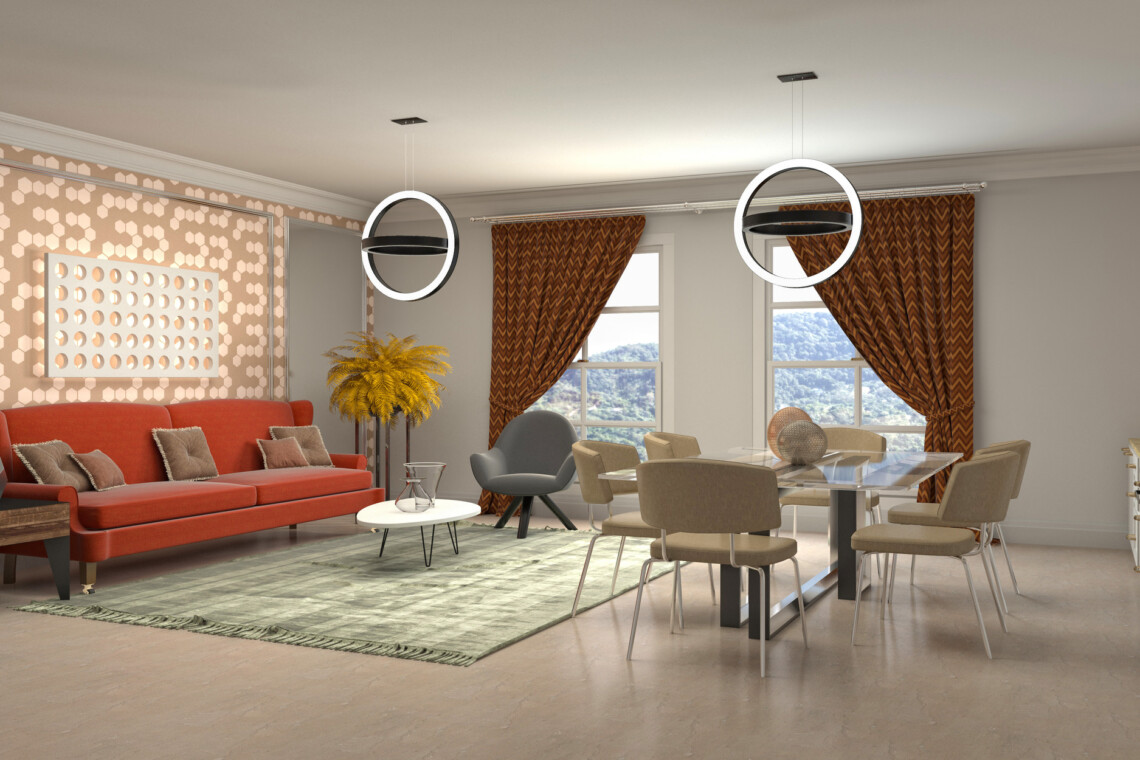


Join The Discussion