Advances in reproductive medicine have given individuals and couples more options when planning for future fertility. One of these options is sperm freezing, a process that allows sperm cells to be collected, preserved, and stored for potential use at a later stage. It can be considered in a range of circumstances, including fertility preservation before certain medical treatments, future family planning, or when sperm availability may be difficult at the time of fertility treatment.
As fertility care continues to develop, preservation techniques have become an important part of reproductive planning. Understanding how sperm freezing works, who may consider it, and what factors influence the process can help individuals make informed decisions with guidance from qualified fertility specialists.
Understanding Sperm Freezing
Sperm freezing, also known as sperm cryopreservation, involves collecting a semen sample and preserving the sperm at extremely low temperatures. The objective is to maintain viable sperm cells so they may potentially be used in fertility treatment in the future.
After collection, the sample is assessed in a laboratory. The sperm may be evaluated for characteristics such as concentration, movement, and morphology. Depending on the circumstances, the sample may then be divided into portions and prepared for cryogenic storage.
The process allows reproductive cells to remain preserved for future use under controlled laboratory conditions. When the individual decides to use the stored sample, the sperm can be carefully thawed and assessed before being considered for an appropriate fertility procedure.
Why Consider Fertility Preservation?
Fertility can be influenced by age, medical conditions, treatments, lifestyle factors, and other circumstances. Some individuals may therefore choose to explore fertility preservation before a situation potentially affects reproductive potential.
Medical treatment is one important consideration. Certain therapies can affect sperm production or reproductive function. Discussing fertility preservation with a medical team before treatment begins may provide an opportunity to understand available options.
Some people may also consider preservation because of personal circumstances or future family-planning goals. The decision is highly individual and should be made after discussing reproductive health, expected outcomes, and available alternatives with a qualified specialist.
Who May Consider Sperm Cryopreservation?
Sperm preservation may be considered by different groups of people depending on their reproductive circumstances.
Men preparing for treatments that could affect fertility may discuss preservation before beginning treatment. Individuals facing certain medical procedures may also ask whether storing sperm beforehand would be appropriate.
Those undergoing fertility treatment may sometimes be advised to preserve sperm when future availability is uncertain. Men who anticipate circumstances that could make future sperm collection difficult may also discuss cryopreservation with a fertility specialist.
The decision should not be based on general assumptions. A specialist can evaluate medical history, reproductive goals, and individual circumstances before recommending whether preservation is appropriate.
How the Sperm Freezing Process Works
The process generally begins with a consultation. A fertility specialist discusses the individual’s medical history, reproductive goals, and any relevant circumstances.
Sample Collection
A semen sample is usually collected according to instructions provided by the fertility center. In some situations, multiple samples may be recommended to provide additional stored material.
The laboratory evaluates the sample before preservation. This assessment helps determine the characteristics of the sperm and provides useful information for future treatment planning.
Laboratory Preparation
The sample is prepared using appropriate laboratory techniques before freezing. Cryoprotective substances may be used to help reduce damage to sperm cells during the freezing process.
The prepared sample is then divided into suitable storage portions. Dividing a sample can allow only the required amount to be thawed when future treatment is planned.
Cryogenic Storage
The prepared sperm is stored at extremely low temperatures in a controlled cryogenic environment. Proper identification and monitoring procedures are essential throughout the storage period.
When stored appropriately, preserved sperm can potentially remain available for future fertility treatment, subject to applicable medical and regulatory requirements.
What Happens When Frozen Sperm Is Needed?
When stored sperm is required for treatment, the appropriate sample is retrieved from storage and carefully thawed.
Not every sperm cell necessarily survives the freezing and thawing process. The laboratory therefore evaluates the thawed sample to determine its condition and suitability for the planned procedure.
Depending on sperm quality and the individual’s fertility circumstances, different assisted reproductive techniques may be considered. These can include procedures that use prepared sperm directly or techniques involving laboratory fertilization.
The appropriate treatment depends on factors affecting both partners, if applicable, as well as the quality and quantity of the preserved sample.
Sperm Freezing and Assisted Reproduction
Sperm preservation can be particularly relevant to assisted reproductive care because treatment often requires sperm to be available at a specific stage.
An IVF Hospital may provide access to fertility specialists, embryology laboratories, and assisted reproductive procedures under one coordinated care pathway. If frozen sperm is intended for future treatment, the fertility team can discuss how the stored sample may fit into the planned procedure.
The specific method used depends on the individual’s reproductive circumstances. Fertility specialists may recommend different approaches based on sperm quality, egg factors, previous treatment history, and other relevant considerations.
Sperm freezing itself does not guarantee a future pregnancy. It is a preservation method that can provide an additional reproductive option.
The Role of Laboratory Quality
The success of cryopreservation depends heavily on laboratory procedures. Proper handling, identification, storage, monitoring, and documentation are essential.
Fertility laboratories use controlled protocols to minimize risks associated with sample handling and storage. Staff involved in cryopreservation must also follow established procedures to maintain sample integrity.
Patients considering preservation should feel comfortable asking fertility specialists about laboratory standards, sample identification procedures, storage arrangements, and how samples are monitored.
Understanding the laboratory side of fertility care can provide greater confidence when making preservation decisions.
Factors That Can Affect Stored Sperm
The quality of sperm before freezing can influence how useful a preserved sample may be in the future. Sperm concentration, movement, morphology, and overall reproductive health can vary between individuals.
The number of samples stored can also be relevant. In some circumstances, a fertility specialist may recommend collecting more than one sample, depending on the individual’s circumstances and intended future use.
Age, medical conditions, medications, lifestyle factors, and recent illness can also influence sperm quality. A fertility assessment can help identify relevant factors before preservation.
It is important to understand that freezing preserves the sperm available at the time of collection. It does not improve sperm quality or reverse underlying reproductive conditions.
The Importance of Timing
Timing can be particularly important when sperm freezing is being considered before medical treatment.
If a planned treatment may affect sperm production, individuals should discuss fertility preservation with their healthcare team as early as possible. This allows sufficient time for consultation, testing, collection, and laboratory processing when appropriate.
The ideal timing varies according to the individual’s medical circumstances. There is no universal schedule that applies to everyone.
Early discussion can help ensure that fertility preservation is considered as part of the broader treatment plan rather than becoming an afterthought.
What to Discuss With a Fertility Specialist
Before deciding on cryopreservation, individuals can ask several practical questions.
These may include:
- Why is sperm preservation being recommended?
- How many samples may be appropriate?
- What testing will be performed before freezing?
- How is the sample prepared for storage?
- How are stored samples identified and monitored?
- What fertility treatments could potentially use the preserved sperm?
- What happens if the sample does not survive thawing adequately?
- What are the applicable storage arrangements and requirements?
- What additional factors could affect future treatment?
Clear communication helps patients understand both the benefits and limitations of fertility preservation.
Sperm Freezing for Future Family Planning
Fertility preservation can provide individuals with another option when immediate family planning is not possible or desirable.
Life circumstances can change over time. Career plans, medical considerations, relationships, and personal goals may influence when someone wishes to pursue parenthood.
Preserving sperm can allow an individual to retain reproductive material collected at an earlier point in life. However, it should not be viewed as a guarantee of future fertility or pregnancy.
Future treatment outcomes can depend on many factors, including the reproductive health of the person providing the egg, the condition of the stored sperm, the chosen fertility procedure, and other medical circumstances.
Emotional Considerations
Fertility preservation can involve emotional as well as medical decisions. Individuals may feel uncertain about future family plans or concerned about how a medical condition could affect fertility.
A supportive fertility team can help explain available options and provide realistic information about potential outcomes.
Taking time to understand the process can make the decision feel more manageable. Patients should be encouraged to ask questions and discuss concerns openly with their medical team.
Where appropriate, fertility counseling or psychological support may also be considered, particularly when preservation is connected to a significant medical diagnosis or difficult personal circumstances.
Choosing the Right Fertility Care Environment
Choosing where to pursue fertility preservation is an important decision. Patients should consider the qualifications of the medical team, laboratory capabilities, available fertility services, communication standards, and the overall approach to patient care.
An IVF Hospital with integrated fertility services may provide access to specialists and laboratory professionals who can coordinate preservation with future assisted reproductive treatment.
Patients should also understand how samples are stored, how records are maintained, and what procedures are followed when samples are later requested for treatment.
The right environment should provide clear information rather than making unrealistic promises about future outcomes.
The Future of Fertility Preservation
Reproductive medicine continues to evolve, and fertility preservation is becoming an increasingly important part of conversations about reproductive planning.
Improvements in laboratory techniques, cryopreservation methods, reproductive testing, and assisted fertility procedures may continue to expand available options.
However, technological progress does not remove the need for individualized medical care. Fertility is complex, and the best preservation strategy depends on personal circumstances.
The future of fertility care is likely to focus increasingly on personalized treatment, where preservation and reproductive planning are considered according to an individual’s medical history, goals, and timing.
Making an Informed Decision
Anyone considering sperm cryopreservation should approach the decision with realistic expectations. Preservation can provide an opportunity to store reproductive material for potential future use, but it cannot guarantee that pregnancy will occur.
A consultation with a qualified fertility specialist can help explain the likely benefits, limitations, costs, storage considerations, and possible future treatment pathways.
Medical advice is particularly important when preservation is being considered before cancer treatment, surgery, medication, or another intervention that could affect reproductive function.
The decision should ultimately reflect the individual’s circumstances and reproductive goals.
Final Thought
Fertility preservation represents an important development in modern reproductive care. Sperm Freezing can provide individuals with the opportunity to preserve reproductive material for potential future use, particularly when medical treatment or personal circumstances may affect future fertility.
The process involves more than simply freezing a sample. Careful assessment, laboratory preparation, secure storage, appropriate timing, and future treatment planning all play important roles. By discussing preservation early with a qualified fertility specialist and understanding both its possibilities and limitations, individuals can make more informed decisions about their reproductive future.

 by
by 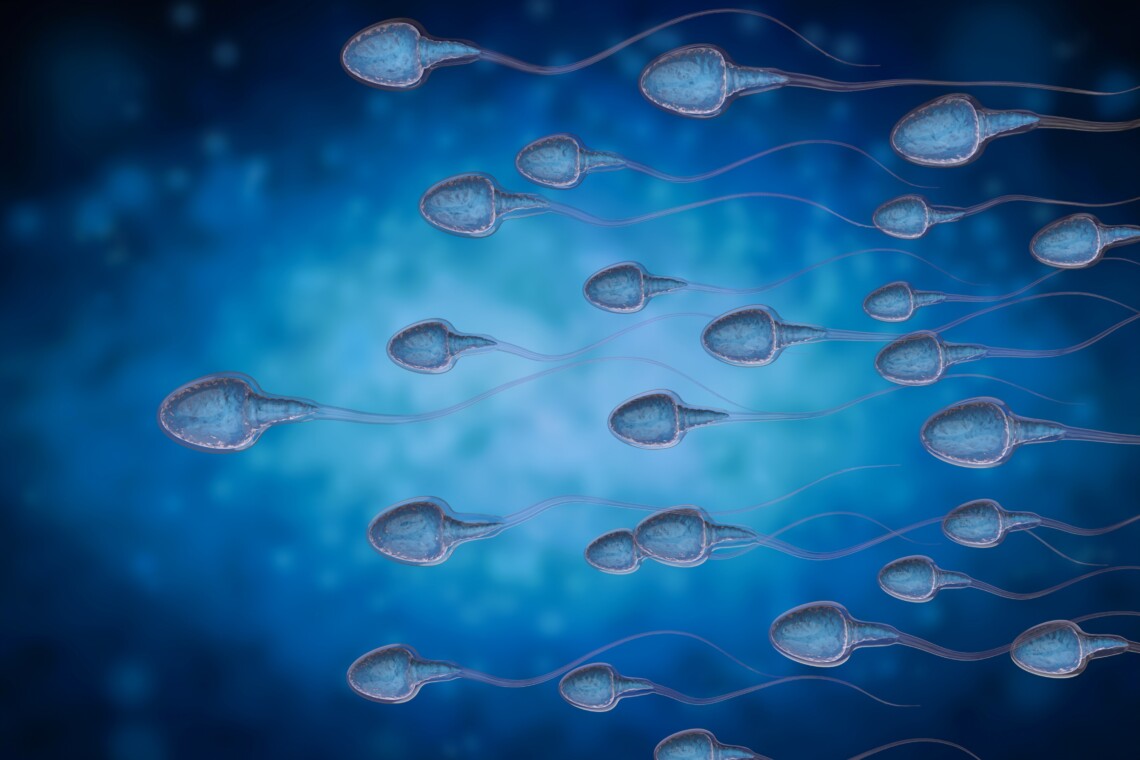



Join The Discussion