

Cazeus casino bonuscode: wat je moet weten
- September 25, 2026
- Uncategorized
Cazeus Casino Bonuscode: Alles wat je moet weten Wat is de Cazeus casino bonuscode? De cazeus casino bonus code is een korte... Read More
 by meh.riztech
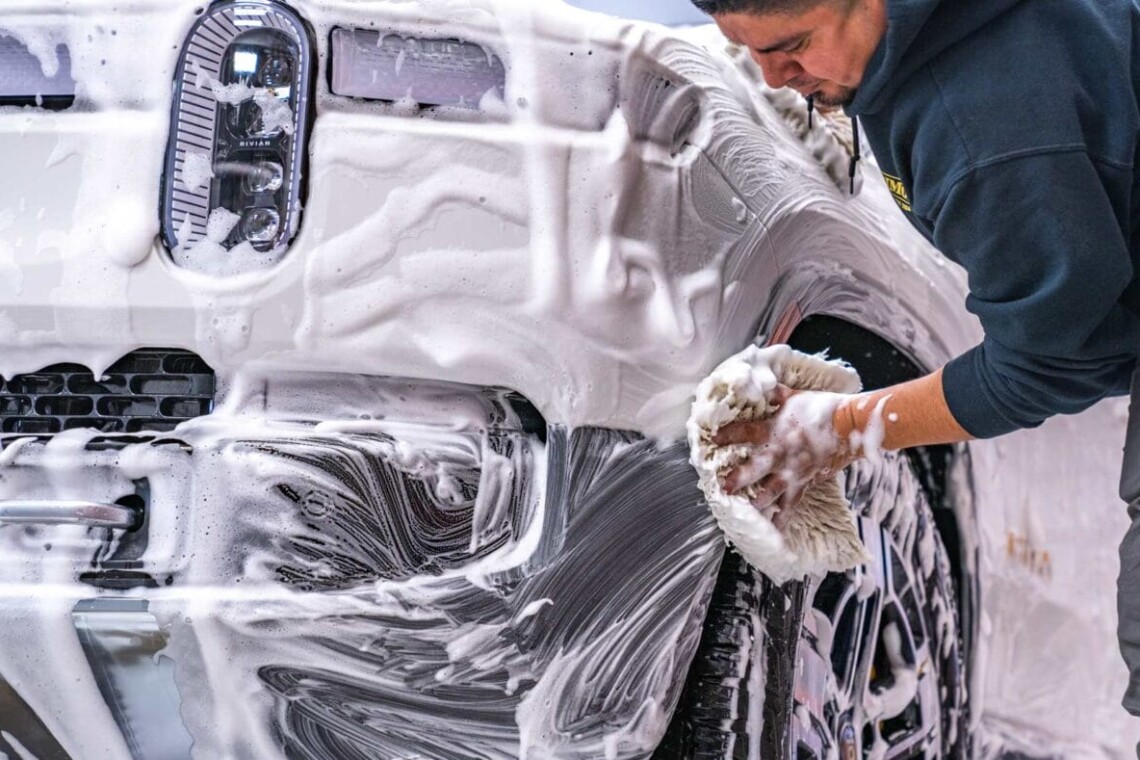
A clean vehicle is easier to enjoy, easier to maintain, and often easier to sell when the time comes. While washing a car may seem like a simple task, the wrong techniques can leave behind swirl marks, water spots, faded trim, or damaged paint. A proper car wash is not simply about making a vehicle look shiny; it is about removing contaminants without unnecessarily damaging the surfaces underneath.
Dust, road salt, mud, bird droppings, tree sap, brake dust, and oily road film can accumulate quickly. Some contaminants are harmless when removed promptly but become more difficult to clean when left on the paint for weeks. Developing a sensible washing routine can therefore help preserve your vehicle’s appearance while reducing the amount of effort required later.
Your vehicle’s exterior is exposed to far more than ordinary dust. Rain can carry pollutants onto the paint, while roads can deposit grease, salt, dirt, and fine particles along the lower doors and wheel arches. Bird droppings and insects can also contain substances that may become difficult to remove if they remain on painted surfaces for an extended period.
Regular washing removes these contaminants before they build up. This is particularly important for vehicles driven frequently, parked outdoors, or used in areas with harsh weather conditions.
Washing also gives you an opportunity to notice problems early. For example, while cleaning a vehicle, you may discover a small paint chip, developing rust, damaged rubber trim, or a tire with unusual wear. Identifying these issues early can make repairs simpler and less expensive.
The goal is not necessarily to wash the car every day. Instead, the ideal frequency depends on driving conditions, weather, parking arrangements, and how quickly the vehicle becomes dirty.
A good washing process is more about technique than expensive equipment. You can achieve excellent results with basic supplies if you use them correctly.
Wash the vehicle in a shaded area whenever possible. Direct sunlight can cause water and soap to dry quickly, leaving mineral deposits and streaks behind.
Avoid washing immediately after driving if the hood, wheels, or other surfaces are extremely hot. Allow the vehicle to cool before starting.
A basic setup should include:
Household dish soap is generally not the best choice for routine vehicle washing because automotive products are specifically formulated for vehicle surfaces and existing protective treatments.
Start by thoroughly rinsing the vehicle. This removes loose dirt and reduces the amount of abrasive material that will come into contact with the paint during washing.
Pay particular attention to wheel wells, lower doors, bumpers, and other areas where dirt tends to accumulate.
If using a pressure washer, maintain a sensible distance from the surface. Excessive pressure at close range can damage trim, decals, or already-compromised paint.
Begin with the roof and upper sections of the vehicle, then gradually move toward the lower panels.
The lower portions usually contain more dirt and grit. Washing them first can transfer that contamination onto cleaner areas.
Use gentle, straight passes rather than aggressively scrubbing the paint. Frequently rinse the wash mitt to remove particles before continuing.
Wheels deserve their own tools because they collect brake dust, road grime, and other contaminants that you do not want to transfer to painted surfaces.
Clean the wheels and tires with dedicated equipment. If the wheels are particularly dirty, allow an appropriate wheel cleaner to work according to its instructions rather than trying to remove everything through aggressive brushing.
After washing, rinse the vehicle from top to bottom. Make sure soap does not remain around mirrors, door handles, trim, emblems, or panel gaps.
A thorough final rinse helps prevent residue from drying on the surface.
Allowing a vehicle to air-dry completely can leave water spots, particularly where the water contains significant mineral content.
Use clean, high-quality microfiber drying towels. Instead of applying heavy pressure, gently absorb or glide the towel across the surface.
For particularly sensitive paint, using a dedicated drying aid can make the process easier while reducing friction.
One of the most common mistakes is using the same dirty cloth for every part of the vehicle. A towel used on wheels can contain abrasive particles that may scratch painted panels.
Another problem is washing in circles with excessive pressure. Scrubbing harder does not necessarily clean better. It can instead push contaminants against the paint and create visible micro-scratches.
Using a single bucket can also increase contamination. A two-bucket method—one for soapy water and another for rinsing the wash mitt—helps reduce the amount of dirt transferred back onto the vehicle.
Skipping the pre-rinse is another avoidable mistake. Loose grit should be removed before the wash mitt makes substantial contact with the paint.
Finally, never leave bird droppings, tree sap, or other stubborn contaminants untreated simply because the rest of the vehicle looks clean. Spot-cleaning these areas promptly can prevent unnecessary deterioration of the surface.
The best car-washing routine is one that you can consistently follow. If your vehicle gets dusty quickly, a shorter and more frequent wash may be easier than waiting until heavy grime accumulates.
Keep separate microfiber towels for paint, glass, interior surfaces, and wheels. Labeling or storing them separately can prevent accidental cross-contamination.
Inspect microfiber towels regularly. If a towel has collected grit, become excessively dirty, or developed a rough texture, do not use it on delicate paint.
For vehicles exposed to harsh winter roads, more frequent washing may be necessary to remove salt and road chemicals. In dusty environments, focus especially on the lower body, wheels, and areas behind the tires.
If water spots repeatedly appear, consider drying the vehicle immediately after washing and evaluating the mineral content of your water. A clean-looking wash can still leave deposits if hard water is allowed to evaporate on the paint.
It is also useful to establish a simple maintenance schedule. For example, a driver who parks outside and travels daily might perform a full wash every one to two weeks while cleaning obvious contamination between washes. Someone who drives infrequently and parks indoors may need less frequent cleaning.
A proper car wash is a straightforward maintenance task, but technique matters. Rinsing away loose contamination, using suitable automotive products, working from cleaner areas to dirtier ones, separating wheel-cleaning equipment, and drying carefully can significantly improve results.
The most important principle is simple: remove dirt without creating unnecessary friction. With the right routine, regular washing can keep a vehicle looking cleaner, make maintenance easier, and help protect its exterior over the long term.

Walking into a sewing machine shop... Read More
Il contesto del gaming digitale in... Read More
Cazeus Casino Bonuscode: Alles wat je... Read More
Join The Discussion