
How to Choose Gender Neutral Crib Bedding for a Timeless Nursery
 by
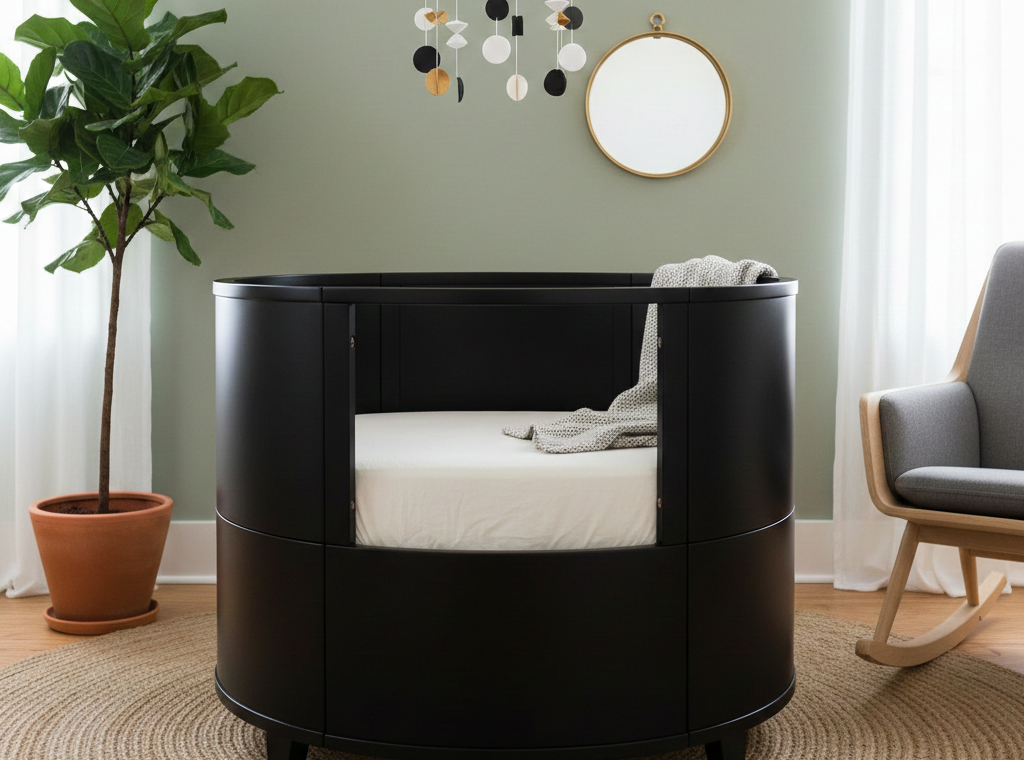
Designing a nursery is an exciting part of preparing for a new arrival, but choosing the right bedding can take more thought than expected. Parents often want a space that feels peaceful, welcoming and stylish without relying on traditional pink or blue colour schemes. A carefully selected combination of neutral colours, gentle patterns and practical fabrics can create a nursery that remains appealing as a child grows.
The beauty of a gender-neutral nursery is its flexibility. It allows parents to experiment with different colours, textures and decorative themes while keeping the overall design balanced. Boss and Baby offers inspiration for creating beautiful baby spaces with thoughtfully coordinated nursery essentials.
Why Choose Neutral Colours for Your Baby’s Nursery?
Neutral nursery colours offer more than a contemporary appearance. They create a flexible foundation that can accommodate changing tastes, furniture styles and decorative preferences over time.
When selecting gender neutral crib bedding, consider shades that bring warmth and softness into the room without making the design feel plain. Colours such as ivory, beige, cream, soft grey and muted sage can create a comfortable visual environment.
There are several reasons parents appreciate this approach.
-
Long-lasting style because neutral shades remain versatile as nursery decorations change.
-
Flexible decorating options because they complement different furniture finishes and wall colours.
-
A balanced appearance because softer tones can make a room feel calm and coordinated.
-
Practical design choices because neutral bedding can be incorporated into different nursery themes.
Another advantage is that parents do not need to redesign the entire room when updating small decorative details. Changing a cushion, wall print or rug can introduce a fresh look without replacing the main bedding.
Understanding the Different Types of Crib Bedding
Before choosing colours or patterns, it helps to understand what belongs in a nursery bedding collection. Different products serve different purposes, and not every decorative item is suitable for use inside a baby’s sleeping space.
Crib Sheets
A fitted crib sheet is one of the most important nursery bedding essentials. It should fit the mattress securely, with elasticated edges that help prevent the fabric from becoming loose.
Look for soft, breathable materials that feel comfortable against delicate skin. Cotton is a popular option because it is generally easy to wash and suitable for everyday use.
Always check that the sheet matches the exact dimensions of the crib mattress. A poorly fitted sheet can create unnecessary safety concerns.
Crib Blankets
Decorative crib blankets can introduce colour, texture and personality into a nursery. They are available in different materials, including cotton, muslin and knitted fabrics.
However, loose blankets should not be placed in a baby’s sleeping area. For safe sleep, keep the crib free from blankets, pillows, quilts and other loose bedding. Parents can use decorative blankets for supervised cuddles or nursery styling outside the crib.
Mattress Protectors
A waterproof mattress protector can help keep the crib mattress clean by protecting it from everyday spills and accidents. Choose a product designed specifically for the mattress size and ensure it fits securely beneath the fitted sheet.
Breathability, washing instructions and material quality are worth considering before purchasing.
Choosing Colours That Create a Timeless Look
A timeless nursery does not need complicated decoration. The right colour combination can create an attractive space that feels welcoming without becoming visually overwhelming.
Warm Neutrals for a Cosy Atmosphere
Beige, cream, oatmeal and ivory are excellent choices for parents who prefer a warm nursery aesthetic. These colours work particularly well with natural timber furniture, woven storage baskets and soft lighting.
Warm neutrals also make it easier to introduce additional colours through accessories without disrupting the overall design.
Soft Grey for a Modern Finish
Grey offers a slightly more contemporary appearance. Light grey bedding can complement white furniture, darker timber finishes and minimalist nursery decorations.
For a softer result, combine different shades of grey with cream or warm beige. This prevents the room from appearing too cold or overly monochromatic.
Muted Green for a Natural Feel
Sage and other muted green shades bring a subtle connection to nature. They work beautifully with neutral furniture, wooden accessories and simple botanical-inspired decorations.
The key is to choose softer tones rather than overly bright shades that dominate the room.
Earthy Colours for Added Warmth
Terracotta, warm taupe and muted brown can introduce character without making the nursery feel overly themed. These shades are particularly suitable for parents who appreciate understated interiors.
Combining earthy colours with cream or ivory creates a balanced appearance that can remain attractive for years.
Which Fabrics Are Best for Nursery Bedding?
Fabric selection deserves as much attention as colour and design. Babies have delicate skin, so parents should look for materials that feel soft, are comfortable in the local climate and can withstand regular washing.
Cotton
Cotton is a widely preferred choice for baby bedding. It is soft, breathable and generally straightforward to maintain.
Parents looking for everyday fitted sheets may appreciate cotton because it combines comfort with practical care requirements.
Organic Cotton
Organic cotton is another option for families who prioritise how textile materials are produced. It can be a suitable choice for parents seeking bedding made from certified organic fibres.
However, organic does not automatically mean safer or more comfortable. Check the complete product specifications, fabric composition and relevant certifications.
Muslin
Muslin is a lightweight woven cotton fabric often used in baby accessories. Its airy texture makes it useful for products such as burp cloths and supervised-use blankets.
Its suitability depends on the particular product and how it is intended to be used. Loose muslin items should never be left inside an infant’s sleeping space.
What to Check Before Buying
Rather than choosing fabric based on appearance alone, consider the following details.
-
Material composition to understand exactly what the product contains.
-
Care instructions to confirm whether regular machine washing is suitable.
-
Colour fastness to reduce the likelihood of colours fading during washing.
-
Fabric construction to assess the overall feel and durability.
-
Product certification to identify independently verified textile safety standards where available.
How to Match Crib Bedding With Nursery Furniture
A coordinated nursery does not require every item to match perfectly. In fact, combining complementary finishes and textures often creates a more interesting result.
Start with the largest furniture pieces, particularly the crib, wardrobe and changing table. Their finishes can help determine which bedding colours will work best.
For example, a natural timber crib pairs beautifully with ivory fitted sheets and beige nursery accessories. White furniture offers greater flexibility, allowing parents to experiment with soft grey, muted green or warm neutral tones.
Consider the following styling ideas.
-
Pair white furniture with cream bedding and subtle textured accessories.
-
Combine natural timber with oatmeal and sage tones.
-
Use light grey bedding alongside warm wooden furniture.
-
Introduce muted earthy shades through rugs and wall decorations.
Keep patterns relatively simple if the room already contains decorative wallpaper or colourful artwork. When the furniture and walls are understated, a patterned fitted sheet can become an attractive feature.
Common Mistakes to Avoid When Buying Crib Bedding
Even a beautifully styled nursery can become impractical if the bedding is selected without considering everyday use.
Prioritising Appearance Over Safety
Decorative bedding sets sometimes include pillows, bumpers, quilts and soft toys. Although these products may look attractive in nursery photographs, they should not be placed in an infant’s sleeping space.
A firm, flat mattress with a correctly fitted sheet is the recommended sleep environment. Keep the crib free from loose and padded accessories.
Choosing the Wrong Mattress Size
Not every crib mattress has identical dimensions. Purchasing a fitted sheet without checking compatibility can result in an unsuitable fit.
Measure the mattress and review the manufacturer’s sizing information before ordering.
Ignoring Washing Requirements
Baby bedding needs frequent cleaning. Fabrics that require complicated care routines may become inconvenient when parents are managing regular changes.
Choose machine-washable products where appropriate and follow the manufacturer’s instructions.
Using Too Many Colours and Patterns
Mixing several competing patterns can make a nursery feel visually cluttered. Instead, select a dominant neutral shade and introduce one or two complementary colours.
This approach creates a more cohesive design while leaving room for personal touches.
Creating a Nursery That Grows With Your Child
One of the strongest reasons to choose a neutral nursery theme is its adaptability. Babies grow quickly, and their rooms often need small updates as their interests and routines change.
A simple colour palette makes these changes easier. Parents can introduce playful artwork, colourful storage solutions or themed accessories without replacing the main furniture and foundational decorations.
Think about choosing versatile items that serve a purpose beyond the initial nursery stage. Storage baskets, neutral curtains and practical furniture can continue to be useful as the room develops into a toddler’s bedroom.
Boss and Baby provides a starting point for parents exploring coordinated baby essentials and nursery styling ideas. Focusing on versatile designs and practical product choices can help create a room that feels personal without depending on short-lived trends.
Conclusion
Choosing the right nursery bedding involves balancing appearance, comfort, practicality and infant sleep safety. Neutral colours such as beige, ivory, sage and soft grey provide a versatile foundation that works with different furniture styles and decorative themes.
Prioritise correctly fitted sheets, suitable fabrics, easy-care materials and a safe sleeping environment rather than choosing a bedding collection based entirely on appearance. With thoughtful decisions and inspiration from Boss and Baby, parents can create a timeless nursery that feels welcoming and remains adaptable as their child grows.
FAQ
1. Is gender-neutral nursery bedding suitable for both boys and girls?
Yes, gender-neutral nursery bedding is suitable for any baby because it focuses on versatile colours, patterns and designs. It gives parents greater freedom when decorating without following traditional colour conventions.
2. What nursery theme works best with neutral bedding?
Minimalist, woodland, Scandinavian and nature-inspired themes all work beautifully with neutral bedding. Their simple colours and understated decorations create a cohesive nursery aesthetic.
3. Can I mix different neutral shades in one nursery?
Yes, combining different neutral shades can make a nursery feel more layered and inviting. Try pairing cream, beige and soft grey while keeping the overall palette balanced.
4. Does neutral baby bedding show stains easily?
It depends on the fabric colour and type of stain. Very light shades may show spills more clearly, so choosing washable fabrics and having spare fitted sheets can make maintenance easier.
5. How many fitted crib sheets should parents have?
Having several fitted sheets available can make everyday nursery care more convenient. Spare sheets are particularly useful when one needs washing or replacing.
6. Are patterned crib sheets suitable for a minimalist nursery?
Yes, subtle patterns such as small stars, simple geometric shapes and delicate animal illustrations can complement minimalist interiors. Choose designs with colours that coordinate with the rest of the room.
7. What should parents look for in a baby bedding certification?
Parents can look for recognised textile certifications that assess chemical substances and production standards. OEKO-TEX STANDARD 100 is one example, although certification does not replace checking product suitability and safe sleep requirements.
8. Can neutral nursery bedding work with colourful wall decorations?
Absolutely. Neutral bedding provides a balanced foundation for colourful artwork, wall prints and decorative accessories. This allows parents to introduce personality without making the room feel overcrowded.
9. Is organic cotton necessary for baby crib bedding?
No, organic cotton is not essential for suitable crib bedding. Conventional cotton can also be a practical choice when the product is well made, appropriately fitted and maintained according to its care instructions.


Join The Discussion