
Is Mobile Casino Gaming Worth the Hype? Discover the Pros and Cons
- November 5, 2026
- Uncategorized
Is Mobile Casino Gaming Worth the Hype? Discover the Pros and Cons In recent years, mobile casino gaming has seen a remarkable... Read More
 by meh.riztech
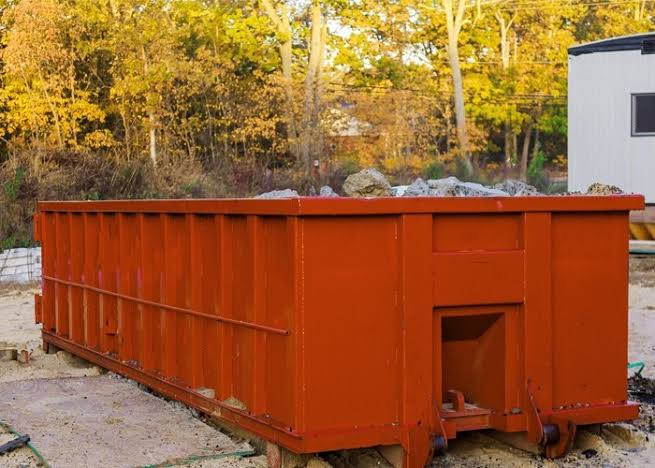
When you are dealing with a home renovation, property cleanout, landscaping project, or construction job, figuring out where all the waste will go can become a problem quickly. Regular trash service is rarely designed for large volumes of debris, and making repeated trips to a disposal facility can consume valuable time. That is where dumpsters for rent can provide a practical waste-management solution by giving you a designated container for collecting and removing project debris.
However, renting a dumpster is not simply a matter of choosing the largest container available. The right choice depends on the material you are disposing of, the amount of waste your project will generate, available space, local regulations, rental duration, and weight restrictions. Making those decisions before the container arrives can prevent unexpected costs and logistical headaches.
Dumpsters come in several sizes and configurations, with roll-off dumpsters being particularly common for renovation and construction projects. These containers are delivered by specialized trucks and can typically be rolled into a driveway, construction site, or other suitable location.
Common sizes include 10-, 15-, 20-, 30-, and 40-yard containers. The actual dimensions can vary between providers, so the stated capacity should be treated as a general guide rather than an exact physical measurement.
A 10-yard dumpster may work for a small bathroom renovation or limited household cleanup. A 20-yard container can accommodate considerably more material and is often suitable for medium-sized remodeling projects. Larger 30- and 40-yard dumpsters are generally used for major renovations, demolition, commercial cleanouts, and construction jobs.
The type of waste matters just as much as volume. Household furniture, drywall, flooring, roofing materials, yard debris, and general construction waste may have different disposal requirements. Certain materials may require specialized handling or may not be accepted in standard dumpsters.
Choosing a dumpster becomes easier when you evaluate the project systematically rather than guessing based on appearance.
Start by making a list of everything that will be removed. Think about furniture, cabinets, drywall, flooring, boxes, branches, concrete, roofing materials, or other debris.
For example, suppose you are remodeling two bedrooms and removing old carpeting, drywall, furniture, and miscellaneous household items. The volume may be manageable with a medium-sized dumpster. A complete home renovation, however, could generate enough material to require a much larger container or multiple pickups.
When estimating volume, remember that bulky items can create empty spaces. Breaking down furniture, flattening cardboard, and cutting larger pieces into manageable sections can make better use of the available capacity.
Not every dumpster accepts every type of waste.
General household and construction debris may be acceptable in many containers, while materials such as chemicals, paints, tires, batteries, appliances containing refrigerants, and certain electronic products may have special disposal rules.
Heavy materials deserve particular attention. Concrete, brick, soil, and asphalt can reach weight limits long before a dumpster looks physically full. A container that appears half-empty may still be too heavy to transport safely.
Before ordering, create a simple waste list and confirm that each major material is permitted.
A dumpster needs more space than the container itself. The delivery truck also needs enough room to approach, position, and remove it.
A driveway is often convenient, but check overhead clearance for trees, roof overhangs, utility lines, and other obstacles. Keep vehicles and equipment away from the area during delivery and pickup.
If the dumpster will sit on private property, verify that the surface can support the weight. Placing a protective material underneath the container may also help reduce the risk of driveway damage.
Estimate the actual working period rather than automatically choosing the longest rental period.
A weekend garage cleanout might only require a short rental, while a kitchen renovation could take several weeks. Construction projects may need flexible scheduling because demolition and debris generation do not always follow a predictable timeline.
Ask about the included rental period and what happens if you need the dumpster longer. Understanding extension charges beforehand makes the total cost easier to estimate.
Once you have selected a suitable container, preparation can make the entire process more efficient.
Put heavy material toward the bottom and distribute weight evenly throughout the container. Avoid concentrating bricks, concrete, soil, or other dense debris in one area.
Break down large furniture and bulky items whenever possible. Flattening cardboard boxes and disassembling simple furniture can significantly improve available capacity.
One common mistake is treating the dumpster’s walls as an invitation to pile material above the top. Overloaded containers can create transportation and safety problems.
Keep waste level with or below the designated fill line. Items should not hang over the sides. This is especially important for lightweight materials that could blow out during transportation.
Do not order the dumpster too early if the project will not begin for several days. Likewise, waiting until debris has already accumulated can leave you with piles of material and nowhere to put them.
For demolition projects, schedule delivery shortly before the heavy cleanup phase begins. For home cleanouts, having the container available when you start sorting can keep the work area organized.
Several avoidable mistakes can make an otherwise simple rental more complicated.
Choosing based only on price: The cheapest advertised rate may not represent the final cost. Delivery, pickup, disposal, included weight, rental duration, and additional fees can all affect the total.
Underestimating the project: Selecting a container that is too small can mean overflowing debris or arranging another container. A realistic waste estimate is usually better than choosing based solely on the project’s square footage.
Ignoring weight restrictions: Dense materials can become heavy surprisingly quickly. Always ask about weight allowances when disposing of concrete, dirt, roofing, brick, or similar materials.
Failing to check local requirements: Some municipalities require permits when dumpsters occupy public streets, sidewalks, or other regulated areas. Rules can also differ between neighborhoods and property types.
Blocking access: A dumpster placed where vehicles, workers, or residents need access can interfere with the project. Think about the entire workflow before selecting its location.
Take photographs of the placement area before delivery. This gives you a record of the property’s condition and can help identify potential obstacles.
Keep prohibited materials separate from general debris while you work. It is much easier to deal with restricted items before they accidentally end up inside a full dumpster.
If you are unsure between two sizes, discuss the project details with the rental provider rather than relying entirely on generic size charts. Describe the material, approximate quantity, project type, and available placement area.
For construction work, coordinate dumpster delivery with demolition and hauling schedules. A properly timed container can reduce the amount of debris sitting around the jobsite and minimize unnecessary handling.
For residential cleanouts, organize waste before loading. Separate reusable, recyclable, hazardous, and disposable materials first. This approach can reduce the amount of material that actually needs to enter the dumpster.
Renting a dumpster is most effective when you treat it as part of the project’s logistics rather than simply a place to throw things away. Estimate the waste volume, identify the materials, consider weight restrictions, measure the placement area, and understand the rental period before making your decision.
The right dumpster should fit both the physical requirements of the project and the way the work will be performed. With a little planning, you can keep debris under control, avoid unnecessary delays, and make cleanup considerably more manageable.

QuickBooks contains all of the vital financial data like transactions, customers’ information, invoices, and other reports for the business. A good backup... Read More


Join The Discussion