
 by
Protecting Grass From Insects With Proper Lawn Care
- October 23, 2026
- blog
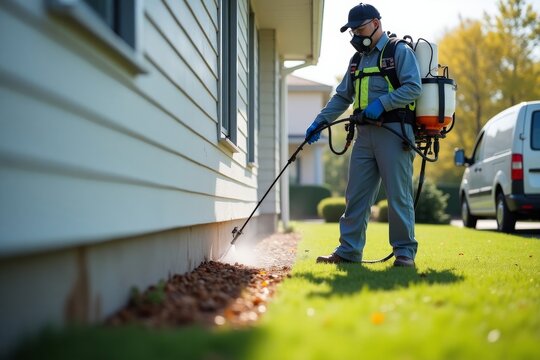
Understanding Insect Damage to Grass A healthy lawn improves the appearance of a property and creates a welcoming space for outdoor activities.... Read More

Choosing a commercial cleaning company in New York City is not simply a matter of finding the lowest monthly price. Businesses need a cleaning partner that can work around employees, customers, building rules, traffic, security, and the actual condition of the property. A small professional office may need a different routine from a retail store, restaurant, medical practice, school, or industrial facility. The right provider should first understand the property and then build a practical cleaning schedule around it. When comparing commercial cleaning services, explain how the property is used and what you need from the service before requesting a written scope. This helps connect the proposed work to your actual priorities.
Before comparing companies, list the areas that need service. Include offices, entrances, restrooms, kitchens, breakrooms, conference rooms, storage areas, floors, glass, and shared spaces. If the property has special areas, such as a production room or customer-facing showroom, identify them separately. Square footage is useful, but it does not tell the whole story. A smaller building with many restrooms and high traffic may require more labor than a larger property with a simple layout.
A professional proposal should explain what the cleaning team will actually do. Ask whether the routine includes vacuuming, mopping, dusting, restroom care, waste removal, kitchen cleaning, high-touch surfaces, and common areas. Periodic services such as carpet extraction, floor care, interior glass, and deep cleaning should also be identified. A clear scope makes it easier to compare proposals because you are comparing similar work rather than different descriptions of a “clean building.”
Walk through the property with a person who knows how it operates, rather than relying on an empty floor plan. Open the rooms that will actually be included and explain which spaces stay locked. Point out recurring marks, overflow areas, unusual flooring, and anything that employees have complained about. Ask the provider to explain how those conditions change the task list. A useful answer connects a visible need to an action, frequency, and responsibility. If the proposal still reads like a generic package after that discussion, request revisions before comparing its price with another company’s offer.
Cleaning frequency should follow how the property is used. A busy office with many employees may need daily service, while a smaller low-traffic workplace may need fewer visits. Retail properties, restaurants, schools, and public-facing facilities can have different peak periods. In New York City, a building may also experience heavy foot traffic around entrances and elevators. These areas often need more attention than private rooms.
Ask whether the company has experience cleaning properties similar to yours. A provider familiar with office cleaning may not automatically have the same process for a restaurant kitchen or post-construction site. Specialized facilities may require different equipment, products, safety procedures, and scheduling. The goal is not to find a company that claims to clean everything. It is to find one that understands the work your property actually needs. Cleaning quality should not depend only on a customer noticing a problem. Ask whether the company uses checklists, inspections, supervisor reviews, customer feedback, or documented service standards. A quality-control process gives both sides a practical way to discuss results. For a large NYC property, regular communication becomes even more important because multiple areas and cleaning shifts may be involved.
Experience is easier to judge through specific examples than broad claims. Ask how the provider would handle an occupied meeting room, a locked restroom, or a spill discovered near the end of a shift. You are looking for a sensible process and a clear boundary around work that requires approval. Avoid assuming that a reference from one type of building proves suitability for every facility. Ask what the team learned from a comparable property and how it adjusted the routine. This conversation can reveal whether the company understands everyday service problems before they become problems in your building.
Ask who you contact when a task is missed or the schedule needs to change. A reliable cleaning relationship should have a clear communication path. Managers should know who handles service questions, additional requests, access issues, and urgent situations. Good communication can prevent a small problem from becoming a recurring complaint. Price matters, but the lowest number is not always the best choice. Compare Number of visits; Cleaning hours; Number of cleaners; Task scope; Supplies; Equipment; Periodic services; Additional charges; Access requirements; Quality-control process. A proposal that costs more may include substantially more labor or service coverage.
Define what a completed task should look like without promising that every surface will look new. An emptied bin, a floor free of removable debris, and a clean accessible counter are easier to assess than a promise of perfection. Existing scratches, damaged grout, and worn finishes may remain after cleaning. Record those conditions during the initial walkthrough so they do not become disputes later. Also decide who can request a correction and who can authorize extra work. Keeping those decisions separate helps the cleaning team respond promptly while preventing unapproved additions from entering the regular invoice.
New York City properties may have security desks, restricted floors, freight elevators, loading rules, or limited cleaning windows. Discuss these conditions during the walkthrough. The provider should understand how the team will enter the building, where supplies can be stored, and what areas require authorization. These details can affect both scheduling and labor. Businesses change. Employees move, offices expand, retail traffic increases, and renovations can alter the layout. Ask how the provider handles additional rooms, temporary service, special events, and changes in frequency. A flexible cleaning plan is easier to maintain when the property changes. Before signing, review the service frequency, task list, payment terms, cancellation rules, additional-service pricing, supply responsibilities, and procedures for missed visits. Make sure important promises are written into the agreement.
The amount of management time a service requires is part of its practical value. A proposal can appear inexpensive while leaving your staff to chase updates, replenish unspecified supplies, or explain access instructions every week. Ask how changes are recorded and how replacement cleaners receive the property’s instructions. A consistent account record is useful when your own facility contact is absent, too. The aim is a routine that can keep working through ordinary staff changes. Include communication expectations in the agreement so reliable administration receives the same attention as the physical tasks performed during each visit.
The right commercial cleaning company should make facility management easier, not create another daily task. For businesses comparing commercial cleaning services in NYC, the strongest decision usually comes from matching the cleaning scope, schedule, communication process, and quality expectations to the actual property. Businesses operating in New York City should also consider local access conditions and traffic patterns before finalizing a contract. A site walkthrough is often the best starting point.
If you need help defining the right scope, Brye A+ Cleaning can provide a practical starting point for a cleaning plan and free quote. Ask how many cleaners are normally assigned to a property and what happens when someone is absent. A dependable provider should have a plan for maintaining the agreed service when staffing changes. For larger facilities, also ask whether a supervisor or account contact checks the work. Clear responsibility makes it easier to resolve issues without repeatedly explaining the property.
Choose a few representative areas for the first review rather than inspecting only the reception desk. Include a busy restroom, a quieter office, a shared kitchen, and an entrance. Check whether the agreed tasks were completed at the expected frequency and whether any room was repeatedly unavailable. Ask the cleaning contact what prevented completion before concluding that more labor is needed. Sometimes a small access change solves the issue; sometimes the scope genuinely needs adjustment. Record the decision and a follow-up date. This makes the review a practical improvement exercise rather than a collection of unrelated complaints.
The first few weeks can reveal whether the schedule actually fits the business. Pay attention to access delays, missed areas, restroom conditions, floor appearance, and response to requests. A short review after the first month can help both sides adjust the scope before small problems become routine. Businesses should ask whether the cleaning team is trained for the type of work being requested and whether the provider carries appropriate insurance.
For specialized areas, confirm that cleaners understand the relevant equipment, products, surface requirements, and site procedures. A verbal promise is difficult to measure later. The final agreement should state the service areas, frequency, task list, periodic work, supply responsibilities, access rules, and additional-service process. For a New York City business, this written scope becomes especially useful when several floors, departments, or building contacts are involved.
A contract should explain which changes can be handled within the current arrangement and which require a revised price. Adding a floor, extending public hours, or introducing a new food-service area can materially change the work. A single missed task should be discussed as a service correction, while a recurring request outside the original scope should be priced separately. Ask for changes in writing, including their start date and effect on scheduled visits. This protects both parties from relying on different assumptions and keeps the relationship focused on the actual requirements of the business.
Ask about cleaning scope, frequency, staffing, supplies, equipment, quality checks, building access, communication, additional charges, and experience with similar properties. Request a written proposal before making your final decision.
Not necessarily. A lower quote may include fewer visits, fewer labor hours, or a narrower scope. Compare the work included, staffing, quality process, and additional charges before choosing based only on price.
Frequency depends on occupancy, traffic, restrooms, business type, and operating hours. Many busy facilities need daily service, while smaller offices may need fewer visits with periodic deep cleaning added separately.


Choosing a commercial cleaning company in... Read More
Modern research institutions encounter significant technical... Read More

Plumbing problems can disrupt your daily... Read More

Join The Discussion