


Is Mobile Casino Gaming Worth the Hype? Discover the Pros and Cons
- November 5, 2026
- Uncategorized
Is Mobile Casino Gaming Worth the Hype? Discover the Pros and Cons In recent years, mobile casino gaming has seen a remarkable... Read More
 by meh.riztech
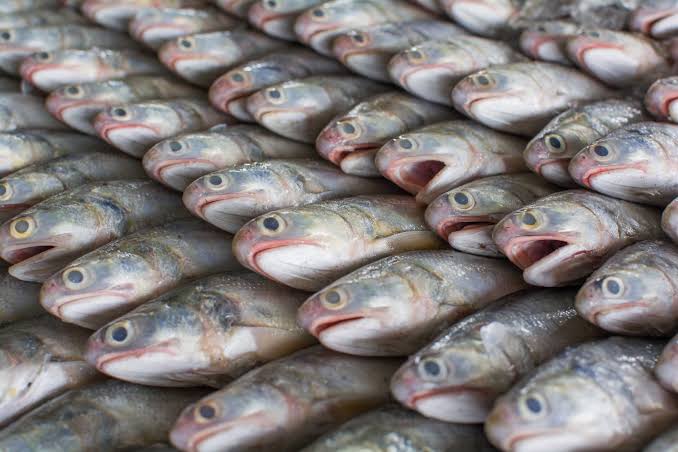
Buying seafood in large quantities is very different from purchasing fish for a single household meal. Restaurants, grocery stores, seafood markets, caterers, hotels, and food distributors need consistent quality, predictable deliveries, accurate specifications, and proper handling. Choosing the right wholesale fish company can therefore have a direct impact on product quality, operating costs, customer satisfaction, and food safety.
The challenge is that wholesale seafood suppliers can differ significantly in their sourcing practices, product range, storage capabilities, delivery schedules, and quality-control procedures. A supplier that works well for a small restaurant may not have the volume or logistics needed by a regional distributor. Understanding what to evaluate before placing regular orders helps buyers avoid expensive mistakes.
A wholesale fish company purchases seafood from sources such as commercial fisheries, aquaculture operations, fishing vessels, processors, and established distributors. The company may then sort, process, package, store, and distribute seafood to commercial customers.
Depending on its operation, a supplier may offer whole fish, fillets, steaks, portions, shellfish, frozen seafood, or fresh products. Some companies specialize in particular species or geographic regions, while others maintain broad catalogs.
For example, a restaurant specializing in seafood may need fresh salmon, cod, tuna, shrimp, and seasonal species several times a week. A grocery distributor may instead prioritize standardized portions, longer shelf life, packaging requirements, and large-volume orders.
This difference makes supplier selection a business decision rather than simply a search for the lowest price.
A systematic evaluation can make supplier comparisons much easier.
Start by documenting exactly what your business needs. Consider:
For instance, a restaurant ordering 100 pounds of salmon every week needs a different supply arrangement from a retailer ordering several species in smaller quantities.
Having these requirements written down also makes it easier to identify suppliers that genuinely match your operation.
Quality should be evaluated using objective characteristics rather than appearance alone.
For fresh fish, buyers commonly examine factors such as odor, flesh firmness, skin appearance, eyes, gills, temperature, and overall handling condition. Frozen seafood requires attention to packaging integrity, freezer conditions, signs of thawing and refreezing, and the condition of the product itself.
Ask suppliers how products are inspected before shipment and what procedures they follow when seafood fails to meet agreed specifications.
A useful approach is to establish acceptance standards in advance. Instead of simply saying “high quality,” specify acceptable product size, packaging condition, temperature requirements, and allowable variation.
Traceability is particularly important in seafood because products can pass through multiple stages before reaching a commercial buyer.
Ask where products originate and whether the supplier can identify relevant information about the supply chain. Depending on the product and jurisdiction, documentation may include harvest information, farm information, processing details, lot numbers, or other traceability records.
A supplier that maintains organized records can make it easier to investigate a quality issue or identify affected inventory if a product problem occurs.
Seafood is highly dependent on temperature control. A supplier can have excellent products at the processing stage but still create problems if storage or transportation is poorly managed.
Ask about:
For example, a restaurant receiving fish several hours later than expected may have difficulty maintaining its own inventory schedule. Reliable delivery isn’t simply convenient; it can affect product quality and food safety.
The lowest quoted price is not necessarily the lowest total cost.
Consider yield, trimming, packaging, shipping, minimum order requirements, rejected products, and spoilage. A lower-priced whole fish may produce less usable meat than a properly processed product with a higher purchase price.
Suppose Supplier A offers a lower price per pound for whole fish while Supplier B charges more for prepared fillets. If the restaurant loses substantial weight during trimming with Supplier A, the apparent price advantage may disappear.
Comparing cost per usable pound can provide a much more meaningful calculation.
Wholesale buyers sometimes focus heavily on the initial quotation. However, inconsistent sizing, irregular deliveries, or variable quality can create operational costs that aren’t visible on the invoice.
A supplier may have an impressive product catalog but limited delivery coverage. Confirm delivery days, cutoff times, minimum order quantities, and emergency-order procedures before committing.
Fish availability and pricing can change throughout the year. Some species have seasonal fluctuations related to harvest conditions, fishing regulations, weather, and market demand.
A good purchasing plan accounts for these changes rather than assuming every product will remain equally available throughout the year.
The supplier isn’t the only part of the quality equation. Employees receiving seafood should know what to inspect and document.
A receiving checklist can include product temperature, packaging condition, quantity, labeling, visible damage, and conformity with the purchase order.
Once you’ve identified a potential supplier, begin with a controlled trial rather than immediately moving all purchasing to one company.
Place several orders and monitor actual performance. Record delivery times, product consistency, usable yield, packaging, communication, and the frequency of discrepancies.
It is also useful to maintain written product specifications. A specification might state that fillets must fall within a particular weight range, arrive properly chilled or frozen, and meet agreed packaging requirements.
Communication matters as well. Seafood availability can change quickly, so suppliers should be able to notify buyers about shortages, substitutions, delays, or price changes before an order becomes a problem.
For larger operations, maintaining more than one qualified supplier can provide additional flexibility. If one source experiences a temporary shortage, another approved supplier may help prevent menu changes or inventory disruptions.
Finally, review supplier performance periodically. A company that performed well last year should still be evaluated against current requirements. Track measurable indicators such as on-time delivery rate, rejected quantities, product consistency, order accuracy, and response time when issues occur.
Selecting a wholesale fish supplier requires more than comparing prices. Businesses should evaluate product quality, sourcing transparency, cold-chain practices, delivery reliability, processing specifications, and total usable cost.
The most practical approach is to define requirements first, verify suppliers against measurable standards, test products through real orders, and monitor performance over time. Whether you’re operating a restaurant, grocery business, seafood market, or distribution operation, a disciplined purchasing process can help create a more dependable seafood supply while reducing avoidable waste and operational surprises.

QuickBooks contains all of the vital financial data like transactions, customers’ information, invoices, and other reports for the business. A good backup... Read More


Join The Discussion