As the most visible aspect of a kitchen renovation, selecting a countertop can be one of the most intimidating processes. With so much space on display, the color of the surface can set the entire tone of the design. This process can take days, months or even years as homeowners compare various stone choices. But with its natural aesthetic and durability, many are turning to quartzite. Avoid making color your primary concern when choosing quartzite. Let your quartzite counter naturally coordinate with your cabinetry, backsplash, floor, lighting and hardware so it can all come together in a beautiful way. Many colors that are eye-catching in a display will not look nearly as appealing when in a home under the lighting conditions present there. Shopping within your own kitchen can simplify the process. When homeowners are considering a Milwaukee stone choice as they plan a kitchen remodel, a little guidance on stone colors can help make the choice much easier! Choosing the right color can help balance the look of the kitchen as well as complement the overall style. Many contemporary spaces do well with light, clean-looking surfaces while older kitchens look great with warm tones or more striking designs.
Key Takeaways
- Many colors and patterns of Quartzite.
- Countertop Color you can choose a bright and clear color to accent the cabinets or a more rustic one to bring out the warmth of the flooring.
- Seeing samples in your actual kitchen can help homeowners make a more confident decision.
Understanding Quartzite Countertop Colors
It’s all about the character. It’s the character of natural stone that makes homeowners flock to quartzite. Because it’s natural, quartzite may have variance in color, movement, veining, and even feel, whereas man-made surfaces can be fabricated with very uniform patterns. So two slabs with similar names may differ significantly in some areas. It is always best to see a full slab rather than just a small sample whenever possible. When you look at all the options of quartzite countertop colors, it’s important to think first about your existing kitchen decor. The color of your cabinets, the appearance of your wall paint, and the lighting in your space can all make the stone look different. Furthermore, the visual movement of the slab ought to be taken into consideration. Certain varieties of quartzite have soft veining, whereas in some, it is more intense and takes over the kitchen.
Gray Quartzite for Modern Kitchens
Gray has become a favorite choice for kitchens. It keeps a neutral tone but can have more life to it than a blank white kitchen. It pairs nicely with white cabinetry, dark cabinets, natural wood cabinets, and modern metal finishes. This gives the homeowner a lot of options when choosing a countertop, especially when they want it to pair well with other design elements in the home. Plus, gray stone wears to mask small visual alterations quite well. It does not, however, always provide the nicest visual transition into other stone varieties, as veined gray quartzite can have a strong impact.
Beige and Warm Quartzite Tones
Not every kitchen has to be cool toned. Warm neutral tones like beige, cream, and warm neutral quartzite will give your kitchen a softer feel. Warm Colors for a warm countertop look, these shade pairings may work well with natural woods for cabinetry and more traditional kitchens. Warm shades may also complement brass, bronze, and other warm hardware finishes. Maintaining a bridge to the old warm quartzite can keep the design tied to the architectural detail of the old home when remodeling. Don’t just pick a color because it’s trendy; think about what kind of mood you want to set.
White Quartzite for Bright Kitchen Designs
White and light-colored quartzite countertops are popular among homeowners because they can make a kitchen feel brighter, more open, and visually spacious. Therefore, they are an excellent option for smaller kitchens where creating an airy atmosphere is important. These lighter tones work beautifully with different cabinet styles, including white, gray, natural wood, and darker finishes. Additionally, they can create an attractive contrast when paired with dark flooring or bold hardware. However, not all white quartzite slabs look the same. Each natural stone has unique characteristics, including variations in veining, undertones, and patterns. Some white quartzite features soft gray veins for a subtle appearance, while others include warmer beige or gold tones that add more depth. Before making a final decision, homeowners should view the actual slab to understand how it will look in their space. Choosing white quartzite countertops can help create a timeless kitchen design by adding elegance, brightness, and a fresh natural look without making the space feel too cold.
Dramatic Veining and Statement Countertops
Other homeowners prefer the subtle beauty of a slab that allows the natural movement of quartzite to be the visual appeal. You could opt for a slab with a lot of movement, contrasting veining, or a color that stands out. A bold countertop needs to be complemented in other ways in the room. When a countertop has bold movement, highly patterned backsplashes and busy cabinet finishes can overwhelm the space. Hence, a statement slab may most effectively be most effective when surrounded by fairly simple factors. This means the natural stone will draw the eye and not become a distraction from every other item in the room.
Matching Quartzite With Kitchen Cabinets
Cabinet Color, this is a key consideration when choosing a stone for your countertop. Always keep in mind to compare stone samples with your cabinet samples. Dark cabinets offer a great option for high contrast against light quartzite, and white cabinets give you a lot of room to experiment – they will match cool and warm stone equally well. Natural wood cabinets might be just the right touch with beige, cream, gray, or softly veined quartzite. Another thing to keep in mind when it comes to decorating your home is the cabinet hardware. Brass and bronze look good with warm stones, while stainless steel and black go with cool colors.
Consider the Backsplash Before Choosing the Slab
So the backsplash and the counter should be compatible with each other because they are together in the same kitchen. So homeowners should never choose each material on its own. For example, a heavily veined countertop might need a straightforward backsplash, or an understated countertop may have a lot of room to play around with patterns for the backsplash. Often a backsplash with complementary colours may lend a more harmonious look. But contrast, used with precision and care, can be equally appealing. The intention is to achieve a sense of visual balance rather than uniform surfaces.
Lighting Can Change How Stone Looks
Natural and artificial lighting can substantially change the look of your countertop so it’s important to look at the stone samples in a variety of lights. A cool-looking quartzite slab under showroom lighting might seem to be on the warm side in your home. Sunlight can also reveal veining and color variations you might not see indoors. So, observing the slab at various times of day can be revealing. This becomes especially relevant when you consider Milwaukee homes where the natural light varies in strength throughout the seasons.
Choosing the Right Slab
From here, once they have narrowed down the color family they like, they will want to take a look at the slabs. Steer away from a single sample and look at the whole surface. Observe the all-over design, the major veins, the background color and the natural distribution. Think about where the most dense visual areas will be once the piece is fabricated. Removal of cutouts for sinks and cooktops can alter how the overall pattern is viewed. A professional countertop consultation can give you valuable insight into how your slab’s selection, fabrication, and installation can impact the finished look of your counter.
Long-Term Design Considerations
Countertops need not be tossed away and replaced every three or four years. Homeowners should consider how their selected color can wear over the years. While trendy colors might be appealing at the moment, neutral hues are more versatile in case any part of the kitchen is renovated at a later date.

 by
by 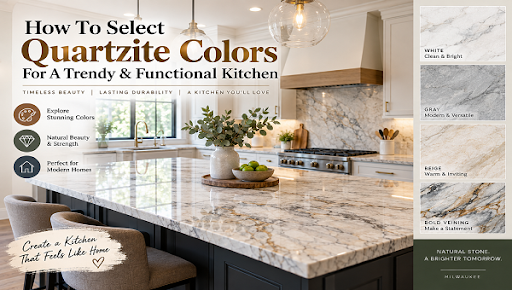

Join The Discussion