


What to Consider When Updating Kitchen Cabinets
- October 12, 2026
- blog
Why Kitchen Cabinets Matter in Everyday Living Kitchen cabinets influence how a kitchen looks, feels, and functions. They provide storage for cookware,... Read More
 by mattgrayson22
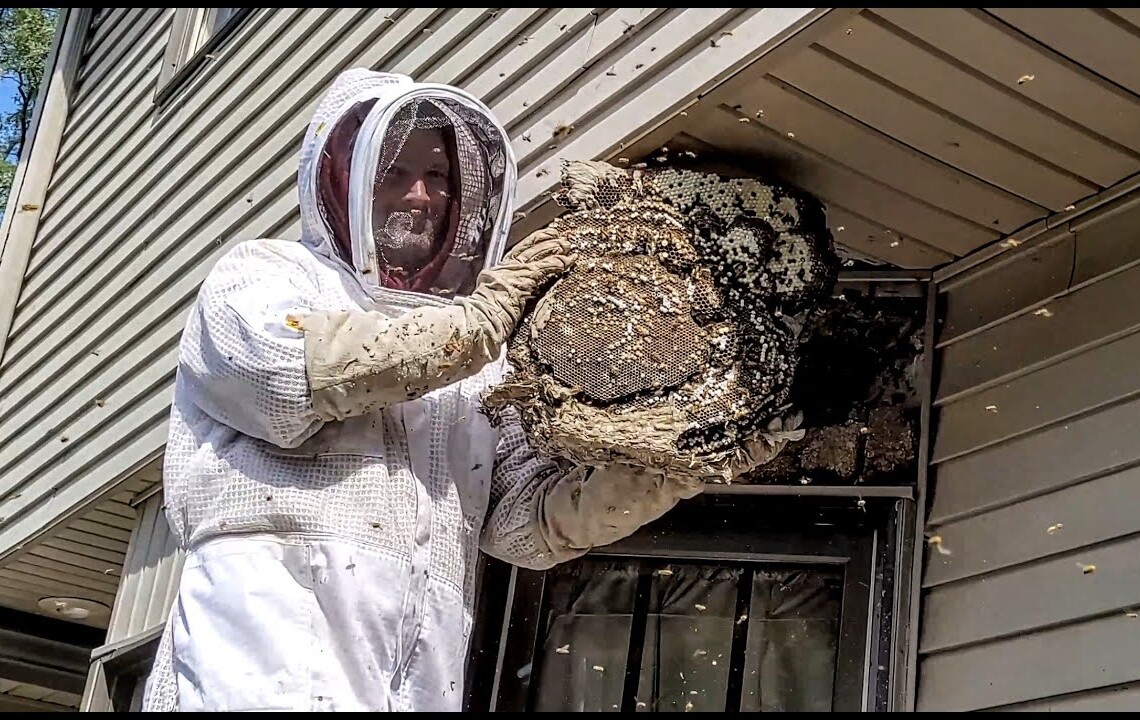
Wasps can become a concern when they build nests near entrances, patios, garages, roof edges, or other areas used by your family. Occasional sightings may not indicate a serious problem, but repeated activity around one location can suggest a nearby nest. Recognizing these signs early helps homeowners take appropriate precautions and decide whether professional pest management is needed.
Residential Wasps Extermination Services Fort Wayne IN can help homeowners address wasp activity around their properties and manage nests in potentially hazardous locations. The appropriate treatment depends on the type of wasp, the nest’s size, and where it is located. A careful inspection helps determine the safest approach while considering the surrounding environment, household activities, and the possibility of future nesting.
Wasps may build nests beneath roof eaves, inside sheds, around porch ceilings, in shrubs, or within wall cavities. Some species establish nests underground, making them difficult to notice until people or pets approach the entrance. Watching from a safe distance can help identify areas with frequent insect activity. Avoid touching, shaking, or disturbing suspected nests while investigating the problem.
A disturbed wasp nest can cause multiple insects to defend their colony, increasing the risk of painful stings. Hidden nests can be particularly challenging because their full size and location may not be obvious from outside the structure. Professional pest technicians have experience identifying nesting sites and selecting appropriate control methods. This can be especially valuable when nests are elevated, enclosed, or close to frequently used areas.
Before recommending treatment, a pest control professional should assess the level of activity and the location of the nest. A small nest beneath an outdoor fixture may require a different approach from a large colony inside a wall or attic. Identifying the species can also influence the treatment plan. A proper assessment helps determine the necessary work rather than relying on a one-size-fits-all solution.
A Local Pest Control Company may offer services for wasps and other household pests, depending on its training and service area. When comparing providers, ask about their experience with stinging insects, inspection procedures, treatment options, and follow-up recommendations. It is also useful to understand the service cost and any applicable guarantees before approving the work. Clear communication helps homeowners know what to expect throughout the process.
If a nest is discovered near a doorway, walkway, or outdoor seating area, keep people and pets away from the immediate location. Use another entrance if it is safe to do so, and avoid activities that may disturb the insects. Tell the technician about areas where wasps have been seen entering or leaving. Do not attempt to knock down a nest, block its entrance, or apply treatments without appropriate knowledge and precautions.
Outdoor food, sugary drinks, uncovered garbage, and fallen fruit can attract wasps searching for food. Keeping trash containers closed, cleaning outdoor dining areas, and removing ripe or fallen fruit can make these spaces less appealing. Repairing damaged screens and sealing suitable gaps after confirming there is no active nest can also reduce potential entry points. These measures support prevention but cannot guarantee that wasps will never return.
Decks, patios, gardens, and play areas should remain comfortable places for household members to enjoy. Regularly observe these spaces for unusual insect activity, particularly around sheltered corners, furniture, and roof overhangs. If wasps repeatedly gather in one area, avoid approaching the suspected source. Arrange a professional assessment when activity presents a concern, especially near children, pets, or frequently used entrances.
Large nests, colonies inside walls, and wasps displaying defensive behavior require particular caution. People with a known allergy to insect stings should avoid any attempt to handle the nest themselves. If someone develops difficulty breathing, swelling of the tongue or throat, or other signs of a severe allergic reaction after a sting, seek emergency medical assistance immediately.
After treatment, follow the technician’s guidance about monitoring the area and addressing conditions that could encourage future nesting. Periodically inspect accessible exterior areas from a safe distance, maintain screens, and keep outdoor spaces clean. If wasps continue appearing around the same location, arrange a follow-up assessment rather than assuming the original problem has returned for the same reason.
Managing wasps starts with recognizing their activity, avoiding unnecessary contact, and understanding when expert assistance is appropriate. Careful inspection, suitable treatment, and practical preventive measures can help reduce the risks associated with nests around a home. By taking a proactive approach, homeowners can better protect frequently used outdoor areas and maintain a more comfortable living environment throughout the warmer months.



Join The Discussion