A well-designed outdoor space should feel like a natural extension of the home rather than an area that happens to sit beyond the back door. The most successful yards balance appearance with everyday needs: comfortable places to sit, clear routes between destinations, plants suited to the conditions, and enough open space to make the layout feel easy to use. Thoughtful landscape southlake planning begins with understanding how the property functions before deciding which features to add.
Sometimes the biggest improvement comes from correcting an awkward walkway, giving a patio a clearer purpose, or replacing scattered planting beds with a more consistent design. By making decisions in the right order, homeowners can create outdoor areas that look coordinated and remain practical through changing seasons.
Start With the Way the Yard Is Used
Before choosing plants, paving, or decorative accents, consider what people actually do outdoors. A family that eats outside regularly may need a dining area close to the kitchen. Someone who enjoys gardening may prefer accessible beds with enough room to move around them. A yard used for play needs open ground that is not broken up by too many obstacles.
Walk around the property at different times of day and note where sunlight falls, which areas remain shaded, where water collects after rain, and which routes people naturally take. These observations help reveal whether the current layout supports daily routines or creates unnecessary friction.
Give Every Outdoor Zone a Clear Purpose
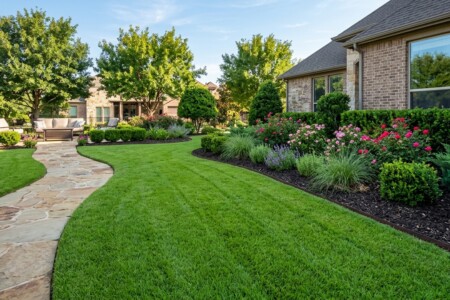
A yard often feels disorganized when several activities compete for the same space. Defining a few distinct zones can make the property feel more spacious without adding square footage. A patio might serve as the main gathering area, a lawn could remain open for movement, and a planting border could soften the transition between hard surfaces and the property edge.
For a cohesive landscape southlake design, repeat a small number of materials and plant forms throughout the yard. Repeating the same paving tone near the entrance and patio, for instance, helps separate areas feel related. Consistency does not mean every part must look identical; it means the features appear to belong to the same overall plan.
Plan the Layout Before Buying Materials
Map movement and access
Start by identifying the entrances, gates, utility areas, storage locations, and main destinations. A path should connect places people actually visit, not simply follow the most convenient line on a sketch. Its width and surface should suit the expected use, including carrying groceries, moving garden equipment, or accommodating people who need a steadier walking surface.
Consider scale and proportion
A large paved patio can overwhelm a compact yard, while a tiny seating area may feel lost in a broad open space. Compare proposed features with the house, existing trees, and available lawn before committing to dimensions. Marking the outline of a patio with a hose or temporary stakes can help reveal whether there is enough room to walk around furniture comfortably.
Check local requirements and utility locations before digging or installing permanent structures.
Choose Plants for Conditions, Not Just Appearance
Plant selection is most reliable when it begins with the site’s actual conditions. Observe how many hours of direct sun each bed receives, whether the soil drains quickly or stays damp, and how much time is available for watering and pruning. A plant that looks attractive at a garden center may struggle if its light, moisture, or space requirements do not match the intended location.
Layering creates depth without requiring a crowded planting scheme. Lower groundcovers or compact perennials can edge a bed, medium-height plants can form its main body, and taller shrubs or small trees can provide structure at the back. Allow enough spacing for mature growth and airflow, and avoid placing plants where they will block windows, obscure sightlines, or cover outdoor fixtures.
For landscape southlake projects, a practical planting plan should also account for seasonal changes. Evergreen structure can maintain definition when flowering plants are out of bloom, while plants with different flowering periods can provide interest across more than one part of the year. Select species suited to the local climate and soil, and confirm their mature size rather than relying only on the dimensions shown on a nursery pot.
Three Decisions That Improve a Yard Before Installation
Many design problems can be avoided by settling a few practical questions early. These decisions help prevent a beautiful plan from becoming inconvenient to maintain or costly to revise.
- Resolve drainage and grading first. Notice where rainwater travels and whether it collects near the house, patio, or low points in the lawn. Any changes to grading should direct water appropriately without sending it toward neighboring properties. For persistent problems, consult a qualified professional before adding soil, retaining features, or extensive paving.
- Set a realistic maintenance level. Consider the time available for mowing, pruning, weeding, and irrigation. A planting scheme with many delicate varieties may demand more attention than expected, while an overly paved yard can create heat and reduce planting opportunities. Choose a balance that suits the people who will care for the space.
- Confirm dimensions and access. Measure gates, steps, paths, and work areas before ordering bulky materials or large plants. Check that equipment can reach the installation area and that furniture can be moved without damaging beds. A short measuring session can prevent awkward clearances and delivery complications.
A Planting Plan That Stays Balanced
Before choosing individual varieties, decide what the planting beds need to accomplish. Plants may provide privacy, frame a view, soften a fence, or add seasonal color, but each bed does not need to do everything. A restrained palette is often easier to maintain and gives the overall design a clearer rhythm.
- Choose a simple plant palette. Repeat a few dependable varieties across different beds to create continuity, then use a smaller number of seasonal accents for contrast.
- Check mature dimensions. Leave space for the expected height and spread so plants do not crowd windows, paths, or one another as they grow.
- Group plants with similar needs. Placing plants with comparable sunlight and watering requirements together can make routine care more efficient.
Match Hardscape Materials to Their Purpose
Hardscape includes patios, paths, steps, edging, retaining structures, and other built elements. These features influence how the yard works and how it looks, so each material should be chosen for its role rather than appearance alone. Pavers can define a seating area, gravel may suit a secondary path where appropriate, and a stable, well-finished walkway can improve access between frequently used destinations.
Comparing Common Outdoor Features
The following table can help organize early decisions. Actual suitability depends on site conditions, installation quality, and the manufacturer’s guidance.
| Feature |
Main purpose |
Planning consideration |
Maintenance note |
| Paved patio |
Dining, seating, and gathering |
Allow space for furniture and circulation |
Clean joints and watch for settling |
| Garden path |
Connect entrances and outdoor zones |
Choose a suitable width and stable surface |
Keep edges clear and repair uneven areas |
| Planting bed |
Add color, structure, and seasonal interest |
Match plants to light, soil, and mature size |
Plan for watering, pruning, and weeding |
| Lawn area |
Provide open, flexible space |
Consider sunlight, foot traffic, and drainage |
Mow and water according to grass needs |
| Shade feature |
Make a seating area more comfortable |
Check placement, clearance, and structural needs |
Inspect fixings and maintain materials |
| Outdoor lighting |
Improve visibility and extend evening use |
Light routes and activity areas without glare |
Clean fixtures and check connections safely |
Make Seating and Shade Feel Intentional
Shade should be planned around when the area is most likely to be used. Existing trees, umbrellas, pergolas, and other shade structures provide different levels of coverage and require different amounts of space. Consider seasonal sun angles and avoid placing a permanent structure where it blocks a useful window or interferes with drainage. For any structure that requires footings or electrical work, confirm applicable requirements and use qualified installers where needed.
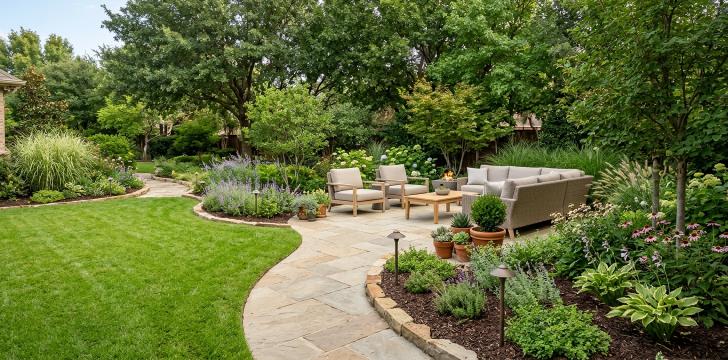
A thoughtful landscape southlake layout connects seating with its surroundings. Planting can soften the edge of a patio, while a clear view toward a focal tree or well-kept border can make the area feel settled. Leave enough open space to move furniture, clean surfaces, and reach outdoor equipment.
Use Lighting to Support Movement and Atmosphere
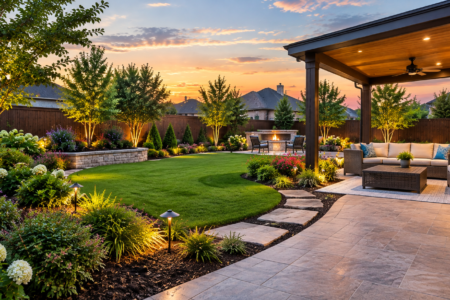
Outdoor lighting works best when it serves a clear purpose. Low-level path lights can make route edges easier to see, while carefully positioned fixtures can illuminate steps, entrances, or a frequently used dining area. A small number of well-placed lights often looks more comfortable than bright fixtures aimed across the entire yard.
Avoid glare into windows or neighboring properties, and do not assume that more light always improves safety. Direct light toward the surface or feature that needs visibility, and use controls suited to the household’s routine. Electrical installations exposed to weather should be designed and installed according to applicable safety requirements.
Review the Details Before Calling the Project Finished
The final review is a chance to catch small problems while they are still easy to correct. Walk the space as you would use it, rather than judging it only from the patio or a window. Check the route from the house to the gate, sit in the seating area, and look at the planting from different angles.
- Test everyday movement. Carry a basket or move a chair along the main routes to check that paths and access points feel comfortable.
- Inspect transitions. Look where paving meets lawn, beds meet paths, and steps connect different levels. These edges should be stable and easy to maintain.
- Confirm care instructions. Keep product guidance for paving, lighting, and plants so cleaning and maintenance follow suitable recommendations.
Keep the Design Manageable Over Time
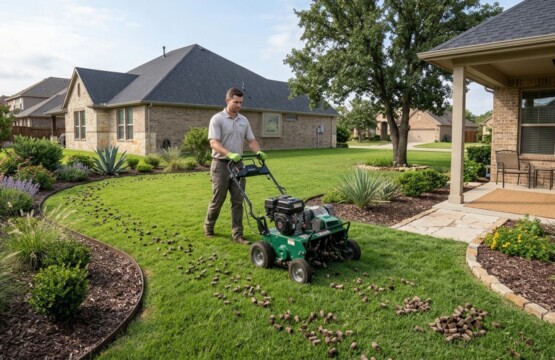
A successful outdoor plan accounts for maintenance from the beginning. Leave access to hose connections, drains, utility covers, and equipment. Avoid planting thorny or fast-spreading varieties beside narrow paths, and make sure edging will not obstruct mowing or routine cleaning. If a feature is difficult to reach, it may be neglected even when it looks attractive on paper.
For a landscape southlake project, keep a simple record of plant names, installation dates, watering needs, and any material warranties or care instructions. This information makes future maintenance easier and helps identify which plants are thriving.
Frequently Asked Questions
What should be planned first in an outdoor redesign?
Begin with how the space will be used, then assess drainage, grading, access, and sunlight. These fundamentals affect where patios, paths, planting beds, and other features can work best.
Does a better-designed yard need many decorative features?
No. A clear layout, healthy planting, comfortable seating, and practical paths can create a polished result. A few well-chosen details usually work better than adding features without a defined purpose.
How can a small yard feel more spacious?
Keep routes simple, avoid dividing the space into too many small zones, and choose features that suit the scale of the property. Repeating materials and using layered planting can create visual continuity.
When should plants be selected?
Choose plants after observing sunlight, soil, drainage, and available space. Check mature dimensions and ongoing care requirements so the planting plan remains appropriate as the garden develops.
Can an outdoor project be completed in stages?
Yes. Establish the full layout first, then prioritize essential site work and access. Completing the project in planned phases can spread the workload while helping each new feature fit the final design.
Conclusion
Better outdoor spaces come from decisions that connect appearance with everyday function. A clear layout, appropriate materials, well-matched plants, useful shade, and carefully directed lighting can make a yard easier to navigate and more inviting to spend time in. The strongest landscape southlake plans begin with the property’s real conditions and the needs of the people who use it, rather than a collection of disconnected features.
By measuring before installing, addressing drainage early, and choosing a maintenance level that feels realistic, homeowners can build an outdoor environment that remains practical as plants mature and routines change. A thoughtful plan does not need to include everything at once; it needs to make each element work well with the next.

 by


Join The Discussion