
Is Mobile Casino Gaming Worth the Hype? Discover the Pros and Cons
- November 5, 2026
- Uncategorized
Is Mobile Casino Gaming Worth the Hype? Discover the Pros and Cons In recent years, mobile casino gaming has seen a remarkable... Read More
 by meh.riztech
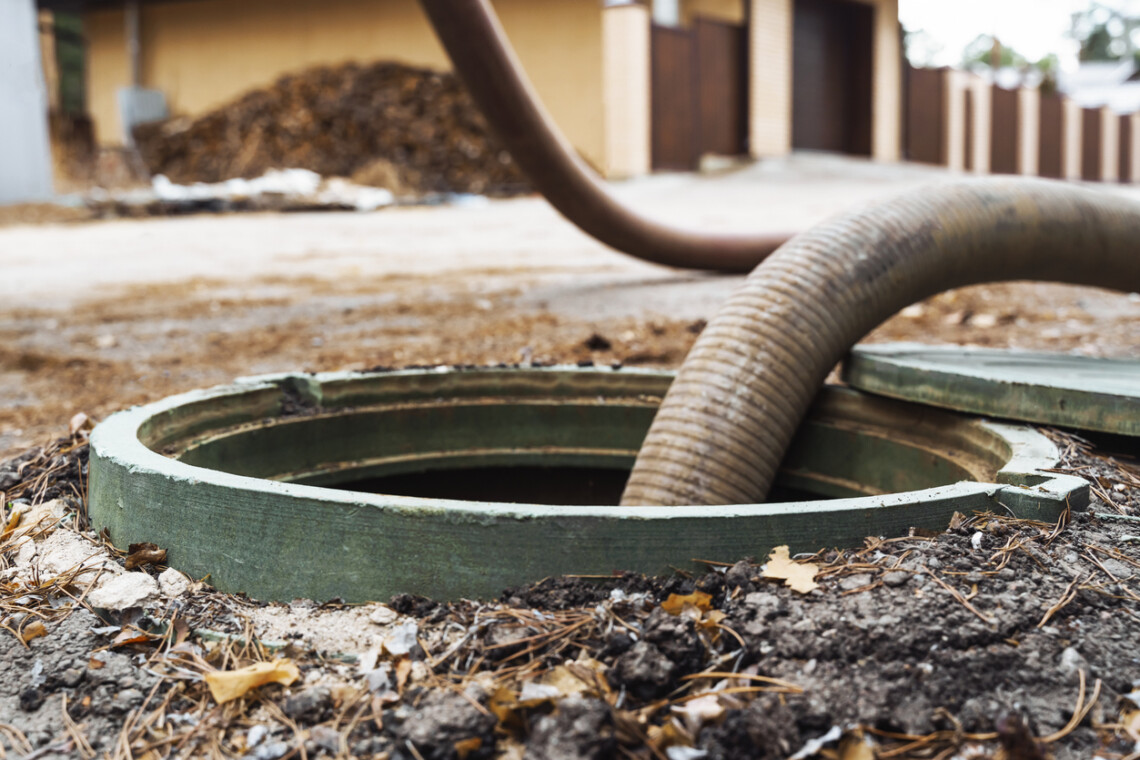
A septic system rarely gets attention when everything is working properly. That changes quickly when a drain starts backing up, the yard develops a wet patch, or unpleasant odors appear around the tank. Regular septic tank maintenance helps prevent these problems by keeping the tank, drainfield, and connected plumbing functioning as intended.
Unlike a municipal sewer connection, a septic system requires homeowners to take responsibility for what enters the system and how often it is inspected and serviced. A little preventive care can reduce the likelihood of expensive repairs, protect the drainfield, and extend the useful life of the entire system.
A septic tank separates household wastewater into three basic layers. Solids settle at the bottom as sludge, lighter materials such as grease float to the top as scum, and relatively clear liquid remains between them. Naturally occurring bacteria break down some of the organic material, but they cannot eliminate everything.
Over time, sludge and scum accumulate. If they are allowed to build up too far, solids can leave the tank and enter the drainfield. Once a drainfield becomes clogged or overloaded, restoring proper performance can be difficult and expensive.
Maintenance also provides an opportunity to identify problems before they become emergencies. A professional inspection may reveal damaged covers, leaks, unusual liquid levels, tree-root intrusion, or other conditions that are difficult for a homeowner to identify from inside the house.
For example, a family might notice that its toilets flush normally but the shower drains more slowly than usual. Instead of assuming the problem is simply a clogged pipe, checking the septic system can help determine whether the restriction is local plumbing or an early warning of a larger issue.
Start by identifying the septic tank, access covers, distribution components, and drainfield. Keep a simple sketch or record of their locations.
Knowing where these components are located makes inspections easier and prevents accidental damage. It also matters when landscaping, installing fences, building additions, or bringing heavy equipment onto the property.
Avoid driving vehicles or parking heavy machinery over the drainfield unless the system was specifically designed for that type of loading.
There is no single inspection schedule that works for every household. Tank size, household occupancy, wastewater volume, and the amount of solids produced all affect how quickly a tank fills.
A professional can evaluate the tank’s condition and estimate an appropriate pumping interval based on actual use. Inspection is particularly important when purchasing a home with an existing septic system because maintenance records may not tell the entire story.
During an inspection, the technician may check sludge and scum levels, tank components, inlet and outlet structures, and signs of leakage or unusual flow.
Pumping removes accumulated sludge and scum that biological activity cannot adequately break down.
Waiting until wastewater backs up into the house is a poor strategy because the visible problem may indicate that the tank has already been overloaded or that solids have migrated toward the drainfield.
Instead, use inspection results and the system’s history to establish a pumping schedule. A household of two people using a large tank may have very different needs from a household of six using a smaller tank.
Everything flushed or washed down household plumbing eventually affects the septic system.
Toilets should generally be used only for human waste and toilet paper. Avoid flushing wipes, paper towels, feminine hygiene products, medications, grease, chemicals, and other materials that do not readily break down.
The kitchen deserves special attention. Grease and cooking fats can accumulate inside pipes and contribute to plumbing restrictions and septic problems. Collect them separately and dispose of them according to local waste guidelines rather than pouring them down the sink.
The drainfield is one of the most important and vulnerable parts of the septic system. It allows treated wastewater to move into the surrounding soil for further treatment.
Keep the area free from structures, storage piles, and activities that compact the soil. Deep-rooted trees and large shrubs should also be carefully considered because roots can interfere with system components.
Surface water is another concern. Gutters, downspouts, sump pumps, and drainage channels should not direct excessive water toward the drainfield. Saturated soil can reduce the system’s ability to absorb wastewater.
One common mistake is treating slow drains as an ordinary plumbing issue without considering the septic system. A single clogged fixture may have a simple cause, but multiple slow drains can indicate a broader problem.
Another mistake is assuming that septic additives are necessary. Homeowners are often marketed products that claim to restore bacterial activity or eliminate the need for pumping. In a properly functioning system, routine maintenance and responsible wastewater use are generally more important than relying on additives.
Using excessive amounts of household chemicals can also be problematic. Follow product instructions and avoid introducing unnecessary chemicals into the wastewater system.
Perhaps the most serious mistake is ignoring warning signs. Sewage odors, unusually lush or wet areas near the drainfield, gurgling plumbing, slow drains, sewage backups, and unusually high water levels in the tank should not be dismissed.
Water management is one of the easiest ways to reduce stress on a septic system. Repair leaking faucets and toilets promptly, spread laundry throughout the week instead of doing many loads in one day, and avoid sending large amounts of water through the system at once.
Keep maintenance records as well. Record inspection dates, pumping dates, repairs, and any observations from service professionals. These records can help establish patterns and are useful when selling the property.
It is also worth teaching everyone in the household what should and should not enter the septic system. A single person’s habits can undermine an otherwise careful maintenance routine.
If a backup occurs, avoid repeatedly flushing toilets or running large amounts of water while waiting for professional assistance. Reducing additional wastewater flow can help limit the immediate damage.
Finally, never enter a septic tank. Septic tanks can contain toxic gases and oxygen-deficient environments that can be fatal. Inspection, pumping, and repairs involving tank access should be handled by trained professionals with appropriate equipment.
A septic system works quietly when it receives the right care, but neglect can turn a manageable maintenance issue into a major repair. Regular inspections, timely pumping, responsible water use, careful disposal habits, and protection of the drainfield are the foundations of reliable septic system performance.
The goal is not simply to react when a septic problem appears. It is to understand how the system works, recognize early warning signs, and maintain it before small issues become expensive failures. A consistent maintenance routine can help protect your property, your household, and the long-term performance of the septic system.

QuickBooks contains all of the vital financial data like transactions, customers’ information, invoices, and other reports for the business. A good backup... Read More


Join The Discussion