

Is Mobile Casino Gaming Worth the Hype? Discover the Pros and Cons
- November 5, 2026
- Uncategorized
Is Mobile Casino Gaming Worth the Hype? Discover the Pros and Cons In recent years, mobile casino gaming has seen a remarkable... Read More
 by meh.riztech
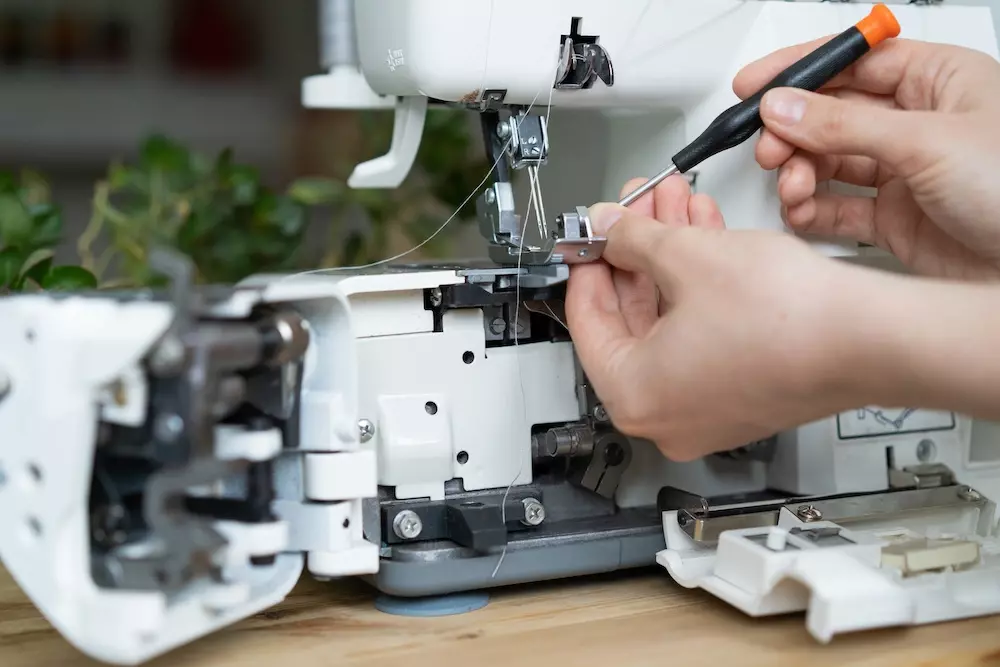
A sewing machine can run reliably for years, but even a well-maintained machine eventually develops problems. Skipped stitches, tangled thread, unusual noises, poor tension, and fabric that refuses to feed are common issues for both beginners and experienced sewists. The good news is that many problems have simple causes and can be diagnosed before you consider replacing the machine.
Understanding basic sewing machine repair can also help you determine when a problem is something you can safely handle yourself and when professional service is the better option. A few minutes spent checking the needle, threading, bobbin, and tension settings can often save unnecessary frustration and repair costs.
The key is to approach a malfunction systematically. Instead of changing several settings at once, identify the symptom, check the most likely causes, and test the machine after each adjustment. This method makes troubleshooting much easier and reduces the risk of creating additional problems.
Most sewing machine problems fall into a handful of categories: threading, needle issues, tension, bobbin problems, fabric feeding, or mechanical wear. Recognizing the symptoms can point you toward the right solution.
For example, if the machine suddenly begins skipping stitches, the needle may be bent, dull, incorrectly installed, or unsuitable for the fabric. If the thread forms large loops underneath the fabric, incorrect upper threading or improper tension is often responsible.
Mechanical problems tend to produce different warning signs. Grinding, persistent knocking, excessive vibration, or a handwheel that becomes difficult to turn may indicate a deeper issue. Continuing to operate the machine under those conditions can potentially make the damage worse.
The needle is one of the simplest components to inspect and one of the most common causes of sewing problems.
Remove the needle and check whether it is bent, damaged, or dull. Even a slightly bent needle can cause skipped stitches or inconsistent stitch formation. Replace it if there is any doubt.
Choose the correct needle for the material. Lightweight fabrics generally require finer needles, while denim, canvas, and other heavy materials need stronger needles designed for those fabrics.
Make sure the replacement needle is inserted in the correct direction and pushed fully into the needle clamp before tightening the grub screw.
A machine that has been threaded incorrectly can behave as though it has a tension or mechanical problem.
Raise the presser foot before threading. This opens the tension discs and allows the thread to seat correctly. Follow the threading path specified by the machine manufacturer, paying particular attention to the take-up lever.
After threading, gently pull the thread. It should move smoothly rather than feeling excessively tight.
A useful troubleshooting technique is to completely remove the upper thread and thread the machine again from the beginning. This is often faster than trying to identify exactly where the thread went wrong.
Remove the bobbin and examine the thread. An unevenly wound bobbin can create inconsistent tension and cause thread bunching.
Check that the bobbin is the correct type for the machine. Some machines may appear to accept several bobbin styles, but using an incorrect size can interfere with thread delivery.
The bobbin should also be installed in the correct direction according to the machine’s design. After inserting it, make sure the thread passes through the required guides or tension slot.
Thread tension determines how the upper and lower threads interact inside the fabric. When the balance is wrong, stitches may look loose on one side or cause thread to pull excessively.
Before making significant tension adjustments, return the machine to a standard or recommended setting. Test-stitch on a scrap piece of the same fabric you intend to sew.
Make small adjustments rather than turning the tension dial dramatically. If changing tension produces little improvement, revisit the threading and bobbin first. Tension adjustments cannot compensate for incorrect threading.
If the fabric is not moving properly, inspect the feed dogs. These small toothed components beneath the presser foot move the fabric through the machine.
Make sure the feed dogs are raised when normal fabric feeding is required. Some machines allow them to be lowered for free-motion sewing.
Also check whether lint, thread, or fabric debris has accumulated around the feed-dog area. A soft brush can remove loose debris without forcing material deeper into the machine.
One of the biggest mistakes is immediately adjusting every available setting. Changing thread tension, replacing the needle, altering stitch length, and rethreading simultaneously makes it difficult to determine what actually solved the problem.
Another common mistake is continuing to sew when the machine is making an unusual mechanical noise. A minor obstruction may be manageable, but persistent clicking, grinding, or resistance in the handwheel deserves closer inspection.
Using poor-quality or incompatible thread can also create problems. Some inexpensive threads shed significantly more lint or break more easily, making diagnosis difficult. For important projects, use thread appropriate for both the fabric and machine.
Cleaning is another area where caution matters. Avoid applying oil simply because the machine is making noise. Modern machines differ considerably in their lubrication requirements, and some components should not be lubricated by the user. Always follow the manufacturer’s maintenance instructions.
Keep a small troubleshooting routine next to your machine. When something goes wrong, check the needle, upper threading, bobbin, tension, and feed mechanism in that order. This simple sequence covers many everyday problems.
Use scrap fabric for testing after making adjustments. The test material should resemble the actual project because a setting that works on cotton may behave differently on denim, silk, stretch fabric, or multiple layers.
Clean the machine regularly, especially around the bobbin case and feed dogs. Lint from frequently used fabrics can accumulate surprisingly quickly.
Replace needles regularly rather than waiting for them to break. A fresh needle is inexpensive compared with the time lost trying to diagnose inconsistent stitching.
Pay attention to changes in machine behavior. If a normally quiet machine gradually becomes louder or develops increasing vibration, don’t ignore it. Early inspection can sometimes prevent a small mechanical issue from becoming a major repair.
Finally, know when to stop troubleshooting. Electrical faults, damaged gears, timing problems, motor issues, and significant internal mechanical failures are generally better handled by a qualified technician. Opening a machine without understanding its internal mechanisms can cause additional damage or create an electrical safety hazard.
Effective sewing machine repair starts with careful diagnosis rather than immediately replacing parts or changing settings. A damaged needle, incorrect threading, poorly installed bobbin, unsuitable thread, or dirty feed mechanism can cause surprisingly serious-looking symptoms.
By troubleshooting one component at a time, testing adjustments on scrap fabric, and following the manufacturer’s maintenance instructions, you can resolve many routine problems yourself. For persistent mechanical or electrical faults, professional service is usually the safer approach. A systematic maintenance and troubleshooting routine will keep your machine performing consistently and help extend its useful life.

QuickBooks contains all of the vital financial data like transactions, customers’ information, invoices, and other reports for the business. A good backup... Read More


Join The Discussion