


What to Consider When Updating Kitchen Cabinets
- October 12, 2026
- blog
Why Kitchen Cabinets Matter in Everyday Living Kitchen cabinets influence how a kitchen looks, feels, and functions. They provide storage for cookware,... Read More
 by mattgrayson22
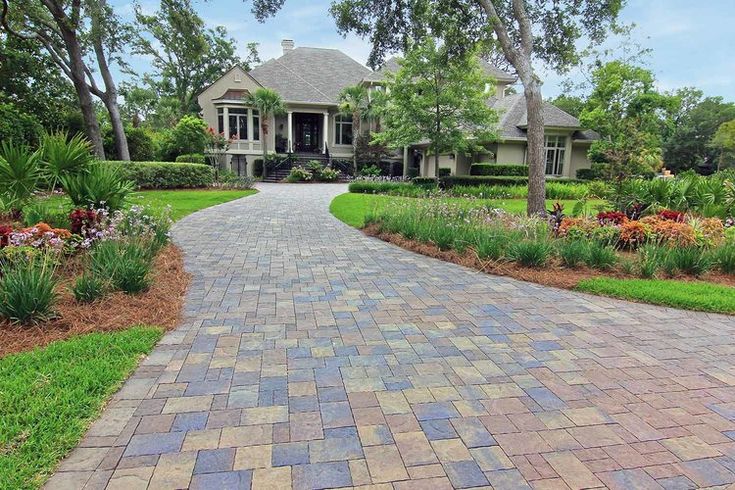
Outdoor paving is an effective way to improve the appearance and functionality of a residential or commercial property. A well-designed paved area can create an inviting entrance, provide a comfortable patio, or make walkways easier to use. Stone paving also offers flexibility in design, allowing property owners to choose colors, textures, patterns, and layouts that complement their buildings and surrounding landscapes.
Before starting a project, consider how the space will be used. A walkway may require a different surface than a driveway or outdoor entertainment area. Understanding these needs helps determine the appropriate stone type, installation method, and surface preparation required for lasting results.
Choosing suitable paving materials is one of the most important decisions in an outdoor improvement project. Natural stone, concrete pavers, and other paving products offer different appearances, durability levels, and maintenance requirements. Natural stone can provide a distinctive appearance because its colors and textures often vary, while manufactured pavers offer more consistent shapes and dimensions.
Property owners should consider the expected foot traffic, exposure to moisture, seasonal temperature changes, and available budget before selecting materials. Slip resistance is another important factor, especially around entrances and areas that may become wet. Comparing several options helps ensure the chosen paving material suits the property’s practical requirements and overall design.
Proper preparation is essential for creating a stable paving surface. Even attractive, high-quality stones may become uneven if they are installed over an unsuitable base. The preparation process generally involves assessing the ground, removing unsuitable material, establishing the correct depth, and installing a properly compacted base.
Drainage also deserves careful attention. Water that collects beneath paving can weaken the supporting material, contribute to movement, and create maintenance problems. A suitable slope and appropriate drainage arrangements help direct water away from buildings and other vulnerable areas. Taking time to prepare the site correctly can reduce the likelihood of costly repairs later.
A successful paving design should complement the property’s existing architecture and landscaping. Straight lines can create a clean, organized appearance, while curved pathways may produce a softer and more natural effect. Different stone sizes, surface textures, and color combinations can also help distinguish individual outdoor areas without making the overall design feel disconnected.
Property owners considering Custom Stone Paving in Bronx NY should think about how the finished surface will connect with entrances, gardens, driveways, patios, and existing walkways. Planning these transitions before installation can improve accessibility and create a more cohesive outdoor environment. Measurements, site conditions, and intended use should guide the final layout rather than appearance alone.
Installing paving requires attention to measurements, surface levels, spacing, edging, and base stability. Each stage contributes to the final appearance and performance of the paved area. Incorrect spacing or poor compaction may cause stones to shift, while inadequate drainage can contribute to erosion or uneven sections.
Professional installation can help property owners manage these technical requirements. An experienced contractor can assess site conditions, recommend suitable materials, and explain the work needed to achieve the desired result. Before hiring a service provider, ask about previous projects, installation procedures, estimated timelines, and the expected scope of work. A clear written estimate can also help prevent misunderstandings about materials and labor.
Some outdoor projects involve additional work beyond laying stones. For example, a property may need new steps, retaining walls, grading adjustments, drainage improvements, or repairs to surrounding surfaces. Coordinating these elements is important because each part can affect the layout and stability of the finished paving.
A General contractor Bronx property owners choose for a broader renovation may help organize different stages of work, depending on the contractor’s qualifications and service offerings. Discussing the full project in advance helps establish responsibilities, schedules, and material requirements. Completing necessary groundwork before the final paving installation can also prevent newly finished areas from being disturbed during later construction.
Regular maintenance helps preserve both the appearance and usability of paved surfaces. Sweeping away leaves, dirt, and debris prevents buildup that may discolor the stones or encourage unwanted plant growth. Periodic inspection can reveal loose pavers, damaged joints, drainage problems, or areas where the surface has started to settle.
Cleaning methods should match the paving material because aggressive chemicals or excessive pressure may damage certain stone surfaces. Joint sand or other joint materials may need occasional replacement, depending on the installation system and conditions. Promptly addressing minor issues can help prevent more extensive deterioration and keep outdoor spaces looking well maintained.
Planning a stone paving project involves balancing appearance, durability, installation requirements, and ongoing maintenance. Property owners should establish a realistic budget, compare materials, review site conditions, and clarify the project scope before work begins. Asking questions about drainage, base preparation, expected maintenance, and repair options can make the decision-making process easier.
With careful planning and suitable installation methods, stone paving can provide an attractive, functional addition to a property for years. Paying attention to the details before construction begins helps create an outdoor space that meets everyday needs while complementing the property’s overall design.



Join The Discussion