

What to Consider When Updating Kitchen Cabinets
- October 12, 2026
- blog
Why Kitchen Cabinets Matter in Everyday Living Kitchen cabinets influence how a kitchen looks, feels, and functions. They provide storage for cookware,... Read More
 by mattgrayson22
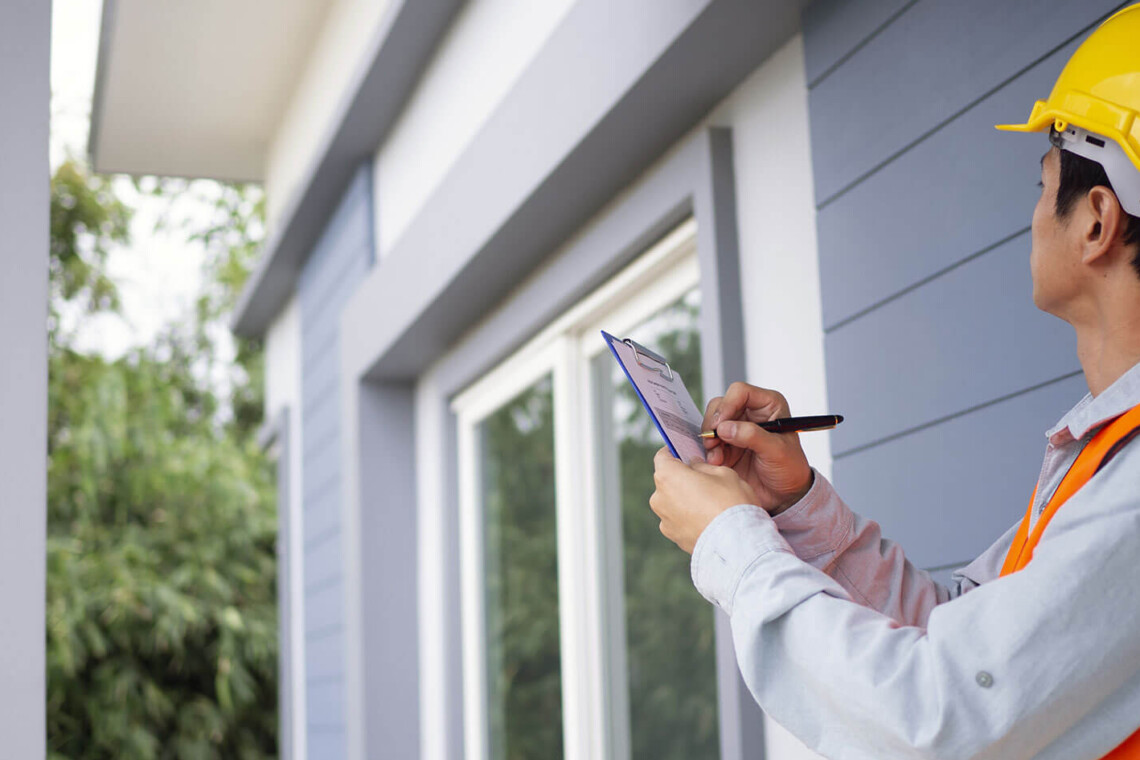
Maintaining a home involves more than keeping it clean and making occasional repairs. Important systems such as roofing, electrical wiring, plumbing, and heating or cooling equipment require attention to help keep the property functional and safe. A professional inspection provides an opportunity to evaluate these components, identify visible concerns, and understand which maintenance tasks may need attention before they become more expensive problems.
A four-point inspection focuses on four major areas of a residential property: the roof, electrical system, plumbing system, and heating, ventilation, and air conditioning equipment. Four Point Inspection Services in Apopka FL can help homeowners obtain an organized assessment of these important systems when preparing insurance documentation or reviewing a property’s condition. The exact requirements may vary depending on the insurer and inspection provider, so confirming the requested information beforehand is helpful.
The roof protects the interior of a home from rain, wind, and other environmental conditions. During an inspection, the roof’s visible condition, age, and signs of deterioration may be reviewed, depending on accessibility and the inspection requirements. Missing shingles, damaged flashing, visible leaks, and water stains can indicate areas that need further evaluation. Addressing roof concerns promptly may help prevent moisture from affecting ceilings, insulation, and other parts of the building.
A home’s electrical system supports lighting, appliances, and many essential household functions. Visible inspection points may include the electrical panel, wiring conditions, breakers, and other accessible components. Signs of corrosion, damaged wiring, improper modifications, or overheating may indicate a need for further assessment by a qualified electrician. An inspection is not a substitute for a comprehensive electrical evaluation, but it can help identify visible concerns that deserve attention.
Plumbing problems can cause water damage, increase utility expenses, and interfere with everyday activities. An inspection may involve reviewing accessible pipes, fixtures, water heaters, and visible signs of leakage or corrosion. Water stains beneath sinks, damp areas near plumbing connections, and reduced fixture performance can indicate developing issues. Prompt repairs help limit moisture-related damage, while regular monitoring can help homeowners recognize changes that warrant professional attention.
Heating and cooling equipment contributes to indoor comfort throughout changing seasons. During a four-point inspection, the available information may include the system type, apparent condition, and visible signs of damage or deterioration. Dirty filters, restricted airflow, unusual noises, and inconsistent temperatures may indicate maintenance needs. Regular servicing can help keep equipment operating appropriately, although a four-point inspection generally does not provide the same level of detail as a specialized HVAC evaluation.
Selecting an experienced inspection provider can make the process more straightforward. Home Inspection Company is a useful search phrase for homeowners comparing professionals who assess residential properties and prepare inspection reports. Before scheduling an appointment, ask about the inspector’s qualifications, the inspection’s scope, reporting procedures, fees, and expected turnaround time. It is also important to confirm that the provider’s report will meet the specific requirements of the insurance company or other requesting organization.
Homeowners can help make an inspection more efficient by ensuring that accessible areas are clear and safe to enter. Remove stored items that obstruct access to electrical panels, plumbing fixtures, and heating equipment where practical. Gather available information about roof repairs, system replacements, and previous maintenance. Although preparation cannot guarantee a particular result, it helps the inspector review the property more effectively and may make it easier to answer questions about the home’s systems.
An inspection report summarizes the inspector’s observations and may identify areas that require maintenance, repair, or additional evaluation. Read the findings carefully and ask for clarification if technical terms or recommendations are unclear. If a significant concern is identified, a specialist may be needed to determine the underlying cause and appropriate corrective work. Homeowners should also check whether their insurer requires repairs, additional documentation, or a follow-up inspection before accepting the report.
An inspection can provide a useful starting point for ongoing property maintenance. Keep records of repairs, monitor areas where problems were identified, and arrange appropriate servicing for major home systems. Regularly checking for roof leaks, plumbing moisture, electrical warning signs, and HVAC performance can help homeowners respond to concerns earlier. Preventive maintenance supports the property’s condition and helps reduce the likelihood of unexpected disruptions.
Understanding a home’s major systems allows property owners to plan maintenance more effectively and respond to concerns with greater confidence. A four-point inspection provides a focused review rather than a complete evaluation of every building component. By preparing in advance, selecting a qualified professional, and following up on relevant findings, homeowners can use the report as a practical tool for managing their property’s condition and meeting applicable insurance requirements.



Join The Discussion