Picture this. You spend ten minutes on your face before a family function. Skin looks clear, even, lit up. Then you reach for the serving spoon, or slip into your sandals, and there they are: dull knuckles, darker ankles, heels that look like they belong to someone else.
Sound familiar? You are far from alone. Most of us pour all our attention into the face and treat everything below the neck like an afterthought. But if the barbie glow you want is the kind that shows up in real life and not just in a front-camera photo, your hands and feet need a seat at the table too.
Why Hands and Feet Fall Behind
It is not your fault. Hands and feet are simply working harder than your face, with less protection.
Your hands are out in the sun every time you drive, scroll, cook, or wash up. They get scrubbed with soap and hot water dozens of times a day, which dries them out. Your feet spend their days squeezed into shoes, rubbing against straps, or walking barefoot on rough floors. Both areas also have fewer oil glands than your face, so they run dry quickly. And dry skin does not just feel rough. It looks dull, ashy, and darker than it really is.
Add friction on knuckles and ankles and years of skipping sunscreen below the wrist, and the gap between face and body appears.
So, What Does a Whitening Cream for Hands and Feet Actually Do?
Let’s be honest about the word “whitening,” because it causes more confusion than any other word in skincare.
A good whitening cream for hands and feet does not bleach your skin or change the color you were born with. Your natural tone belongs to you. What the cream can do is help your skin look brighter and more even by softening dead cells that sit on the surface, moisturizing deeply, and gently easing the look of dark patches caused by sun and friction.
Think of it as clearing a foggy window, not repainting the wall.
Here are the ingredients worth looking for on the label:
- Niacinamide for a more even tone and a stronger skin barrier
- Lactic acid for smoothing rough, dull skin
- Urea for thick, dry heels and elbows
- Glycerin and shea butter for lasting moisture
And here is what should send you running: no ingredient list, no expiry date, no company name, and wild promises like “three shades lighter in a week.” Some cheap creams hide mercury or strong steroids, and those can seriously harm your skin and health. If a jar looks mysterious, leave it on the shelf.
Whitening Spray Sounds Interesting, But Does It Work?
Now to the question I keep getting. A friend messaged me last week: “I saw a whitening spray online. Whitening spray sounds interesting, but is it real?”
Fair question. Sprays look easy: no rubbing, no sticky fingers, just a quick mist.
Here is the honest answer. A body spray can be a pleasant, lightweight way to add hydration or a little brightening support, especially for areas that are awkward to reach, like your back or the tops of your feet. They absorb fast, which makes them lovely in hot weather when a thick cream feels heavy.
But a spray is not a miracle. Because it is thin and sits on the skin briefly, it usually delivers a lighter dose than a proper cream. So treat it as a helpful partner rather than a replacement. A spray for a quick refresh, a cream for the real work.
A few cautions before you buy one:
- Check that the label lists every ingredient clearly.
- Be careful with heavy fragrance and alcohol, which can sting and dry your skin.
- Never spray near your eyes.
- Ignore any claim of instant, dramatic whitening. Skin does not work that way.
How to Get the Most Out of Your Cream
You do not need an elaborate ritual. You need a few smart habits.
Apply after washing, while skin is still a little damp. That is when moisture gets locked in best. Waiting until your hands are bone dry means you lose that window.
Give heels a little extra. A thicker layer, followed by clean cotton socks, works wonders while you rest.
Protect from the sun. I know, I know. But this is the most important tip in the whole article. Sun triggers your skin to make more pigment, so skipping sunscreen on your hands and the tops of your feet can erase weeks of effort. A broad-spectrum sunscreen on exposed skin is non-negotiable.
Exfoliate, gently. Once or twice a week, soak your feet, use a soft pumice stone on rough patches, and rinse well. For hands, a fine sugar scrub is plenty. Scrubbing hard does not speed things up. It irritates skin, and irritation leaves darker marks behind.
Small Habits That Quietly Help
Creams get the credit, but everyday choices do a lot of the work.
Wear gloves for dishes and cleaning, since detergents and hot water strip moisture fast. Keep a small tube of hand cream in your bag. Choose shoes that fit well, because constant rubbing thickens and darkens skin.
And please, do not reach for lemon juice or baking soda as home whiteners. They sound natural, but lemon can make skin sensitive to sunlight and cause dark patches, while baking soda is far too harsh.
Be Patient With Yourself
Real change is quiet. Expect softer skin in a week or two, and a brighter, more even look after four to eight weeks of steady use. Take a photo in daylight today and another a month from now. Photos show progress your eyes miss.
If your skin changes suddenly, darkens in thick, velvety patches, itches constantly, or just does not improve after a couple of months, please see a dermatologist. It is always better to ask than to keep guessing.
One Last Thing
A barbie glow was never meant to be about one perfect face. It is about skin that looks cared for from top to toe: soft hands, smooth heels, and a tone that feels balanced and healthy. Every shade of skin can glow when it is treated kindly.

 by
by 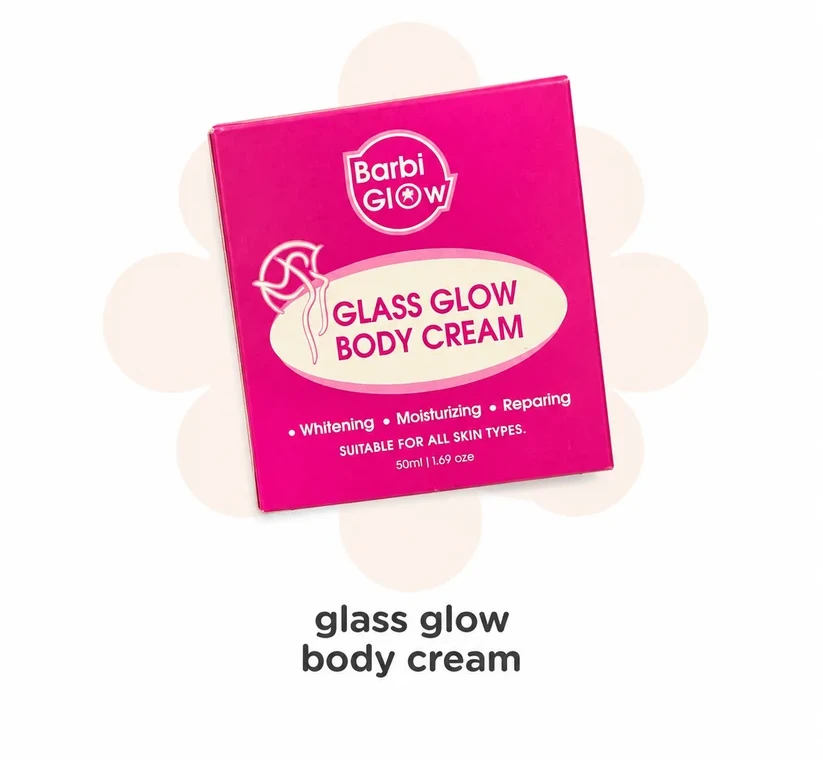
Join The Discussion