
Understanding Common Range Problems and Repair Needs
- November 6, 2026
- blog
The Role of a Range in Everyday Cooking A kitchen range is an essential appliance that combines cooking functions to support daily... Read More
 by meh.riztech
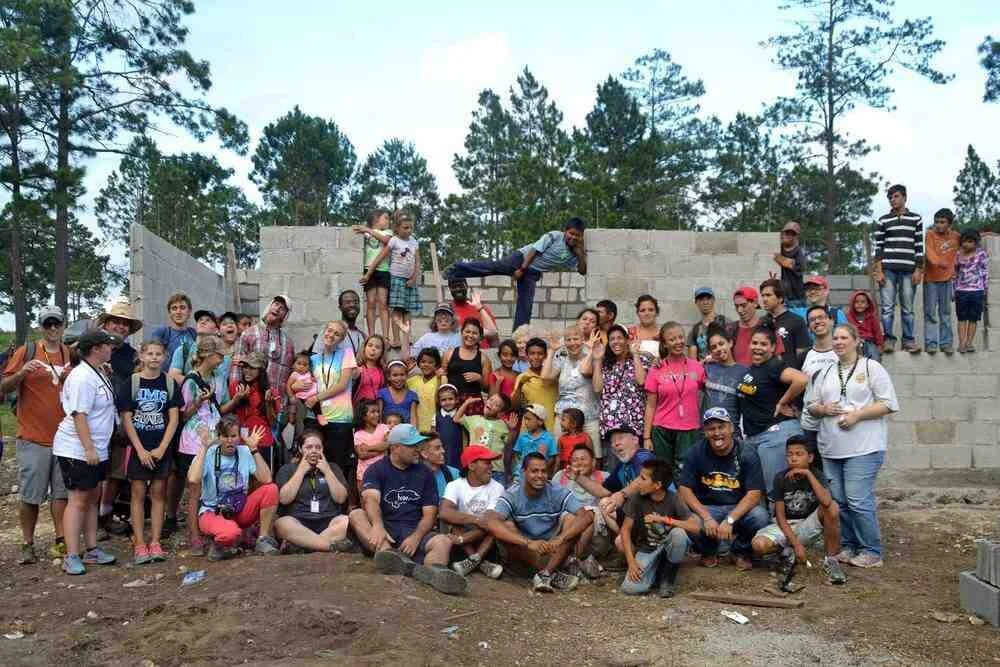
A Honduras mission trip can be a meaningful way to serve communities, learn from local people, and gain a deeper understanding of life outside your familiar environment. But a successful trip involves more than booking a flight and packing supplies. Effective service requires preparation, cultural awareness, realistic expectations, and a willingness to listen before acting.
For first-time participants, it is easy to focus on what you can bring to Honduras. A better approach is to think about what you can contribute responsibly while respecting the knowledge and priorities of the local community. Whether your group plans to support a church, assist with community projects, work with children, or participate in medical or educational activities, preparation can make the experience safer and more useful for everyone involved.
A mission trip is a short-term service experience in which individuals or groups travel to another community to participate in organized charitable, religious, educational, construction, medical, or community-development activities.
Honduras is a Central American country with significant cultural and geographic diversity. Communities in rural areas can have very different circumstances from those in larger cities. Because of this, mission work should never assume that one approach will work everywhere.
The most valuable trips usually involve cooperation with people and organizations already working in the community. Local partners understand the area’s needs, relationships, language, customs, and long-term challenges. Visitors can then contribute within a framework that has already been established rather than creating projects based on assumptions.
For example, a visiting group might expect to spend its time constructing buildings, while a local organization may actually need help with painting, maintenance, educational activities, or fundraising support. Flexibility allows the group to respond to genuine priorities.
Good preparation starts several weeks or months before departure. The goal is to prepare physically, practically, culturally, and emotionally.
Before committing to a program, find out exactly what the trip involves.
Ask questions such as:
A clear itinerary can also help you understand whether the experience matches your skills. Someone with construction experience may be useful on a building project, while a teacher may contribute more effectively to structured educational activities.
Cultural preparation is just as important as packing.
Learn basic Spanish phrases, understand local customs, and research appropriate behavior before arriving. Even a small effort to communicate in someone’s language can demonstrate respect.
Avoid treating local communities as destinations where outsiders arrive to “save” people. A healthier perspective is partnership. Communities have their own knowledge, traditions, strengths, and solutions.
Listening should be part of the service.
Your packing list should reflect the actual conditions of your destination and activities.
Depending on the location and season, you may need lightweight clothing, comfortable work shoes, rain protection, sun protection, insect protection, reusable water equipment, and personal medications.
Do not assume that every item commonly recommended for international travel is necessary. Ask the trip coordinator for a location-specific packing list.
If you will be doing construction or outdoor work, prepare physically beforehand. Simple conditioning, walking, and practicing safe lifting techniques can make demanding work considerably easier.
Health preparation should be handled well before departure. Discuss your itinerary with an appropriate healthcare professional or travel-health clinic, particularly if you will be visiting rural areas or staying for an extended period.
Keep important medications in their original packaging and carry essential travel documents securely.
Your group should also establish basic safety procedures, including:
A good mission organization should be able to explain its safety procedures clearly.
Showing up is only the beginning. How you work with the community often determines whether your contribution is genuinely useful.
Local leaders should have meaningful input into the project. They can explain what the community needs, what has already been attempted, and which solutions are realistic.
For example, if a group is helping improve a community facility, local workers may know the best materials, construction methods, and maintenance requirements. Volunteers can provide labor while learning from people with direct experience.
A short-term project should ideally support something that can continue after visitors leave.
Consider the difference between donating equipment that requires expensive maintenance and supporting a locally manageable solution. The second option may produce more lasting value even if it looks less impressive during the trip.
The same principle applies to education. Instead of simply delivering a one-time lesson, volunteers can support local teachers with resources they can continue using.
Taking photographs can be tempting, especially when you encounter unfamiliar environments. However, being interesting to photograph does not mean someone has agreed to be photographed.
Ask permission before taking pictures of individuals, particularly children. Follow the policies established by your organization and local partners. Avoid posting images that portray people primarily as objects of poverty or charity.
A respectful story emphasizes people and their dignity rather than using hardship as a backdrop.
Mission trips can be rewarding, but several problems occur when participants arrive without realistic expectations.
One common mistake is trying to accomplish too much. A group may arrive with an ambitious project schedule only to discover weather delays, transportation issues, unavailable materials, or different local working practices.
Another challenge is cultural misunderstanding. A behavior that seems efficient or normal to a visitor may be inappropriate in another cultural context.
Language barriers can also create confusion. Learning basic Spanish helps, but participants should not expect to communicate fluently after a few lessons. Patience, gestures, respectful questions, and local translators can make communication easier.
Volunteers should also avoid assuming that their preferred solution is automatically the best one. Ask questions before offering recommendations.
Build relationships before focusing on tasks. A conversation with a local partner can teach you more about the community than a detailed itinerary.
Bring useful skills rather than unnecessary supplies. Ask organizers what is genuinely needed before filling your luggage with donated items.
Be flexible. Your planned activity may change because of weather, local priorities, or logistical issues.
Keep expectations realistic. A one- or two-week visit is unlikely to solve a complex social or economic problem. Your role is usually to contribute to an existing effort.
Budget beyond the trip fee. Plan for transportation, meals not covered by the program, personal expenses, travel documents, insurance, and emergency costs.
Reflect afterward. Think about what you learned, what worked, and what could have been handled differently. If possible, maintain a relationship with the local organization and continue supporting its long-term work.
A Honduras mission trip can provide an opportunity to serve while learning directly from the people and communities involved. The strongest experiences are built on preparation, humility, cultural respect, safety, and cooperation with local partners.
Rather than measuring a trip by how much participants accomplish during a short visit, consider whether the work supports existing local priorities and leaves something useful behind. When volunteers listen carefully, respect local expertise, and approach service as a partnership, even a short trip can become a thoughtful and responsible contribution.


For UK gamblers looking to manage... Read More

The Role of a Range in... Read More

The Benefits of Quality Metal Fencing... Read More
Join The Discussion