


Understanding Common Range Problems and Repair Needs
- November 6, 2026
- blog
The Role of a Range in Everyday Cooking A kitchen range is an essential appliance that combines cooking functions to support daily... Read More
 by meh.riztech
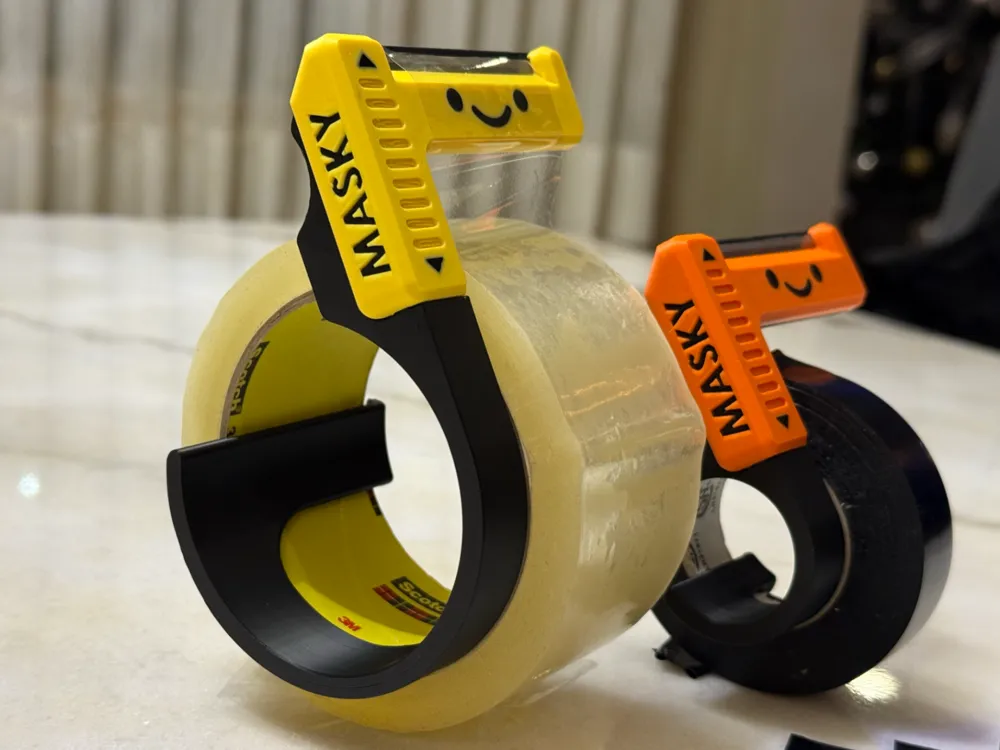
Tape blades may look like simple cutting components, but the right blade can make a noticeable difference in accuracy, productivity, material waste, and workplace safety. Whether you’re working with packaging tape, adhesive materials, industrial films, labels, or other flexible products, selecting the correct tape blades depends on more than simply finding something sharp enough to cut.
A blade that performs well on one material may struggle with another. Adhesive buildup, inconsistent cutting pressure, excessive wear, and incorrect blade geometry can all lead to poor results. Understanding how tape blades work and what affects their performance helps operators make better decisions and avoid unnecessary replacements.
Tape blades are cutting components designed to separate tape or tape-related materials cleanly and consistently. Depending on the application, they can be used in manual cutting tools, dispensers, converting equipment, packaging machinery, slitting systems, and specialized industrial processes.
The basic purpose is straightforward: create a controlled cut without unnecessarily damaging the material underneath. However, the design of a tape blade can vary considerably depending on the application.
Important characteristics include:
For example, a blade used to cut thin packaging tape does not necessarily need the same construction as one intended for thick industrial adhesive materials.
Choosing a tape blade should start with the material being cut and the equipment performing the operation.
Begin by examining the tape itself. Consider its thickness, backing material, adhesive type, and flexibility.
Paper-backed tape behaves differently from polypropylene, polyester, cloth, filament, or reinforced tape. A blade that cuts thin paper tape easily may require more frequent replacement when used with reinforced material.
For example, a warehouse packaging operation using ordinary carton-sealing tape may prioritize consistent cutting and low maintenance. A manufacturer processing reinforced industrial tape may instead place greater emphasis on blade hardness and wear resistance.
The number of cuts performed each day has a major effect on blade selection.
A blade used occasionally in a small workshop may not need the same durability as one operating continuously on a production line. For high-volume applications, frequent blade changes can increase downtime and labor costs.
Calculate approximately how many cutting cycles the blade performs during a normal shift. This gives you a better basis for evaluating durability than simply comparing the initial price of different blades.
Always check the blade specifications against the machine or dispenser.
Dimensions, mounting arrangements, cutting angle, and clearance are important. Even a high-quality blade can perform poorly if it does not sit correctly in the equipment.
If you’re replacing an existing blade, record its dimensions and configuration before ordering a replacement. Comparing the old component with manufacturer specifications can help prevent compatibility problems.
The edge style influences how the tape separates.
A smooth edge can provide controlled cuts for certain applications, while serrated edges may help grip and separate materials that are difficult to cut cleanly. The correct design depends on the tape’s characteristics and the required cutting motion.
Do not automatically assume that a sharper edge is better. An excessively aggressive edge can create safety concerns, damage the material, or wear quickly under demanding conditions.
If you’re experiencing inconsistent cuts, use a systematic troubleshooting process rather than immediately replacing the blade.
Look for visible dulling, chips, corrosion, deformation, or adhesive accumulation. Examine both the cutting edge and mounting area.
A blade may appear intact while its edge has already become too worn for consistent operation.
Adhesive residue can accumulate around the cutting edge and change the way the blade contacts the tape.
Clean the blade according to the equipment manufacturer’s instructions. Avoid aggressive cleaning methods that could damage coatings or alter the edge.
A misaligned blade can produce uneven cuts even when the blade itself is sharp.
Check mounting screws, guides, guards, and positioning mechanisms. In automated equipment, also verify that the blade is correctly positioned relative to the material path.
After cleaning or adjusting the equipment, perform multiple test cuts rather than judging performance from one attempt.
Look for consistent separation, clean edges, minimal adhesive transfer, and predictable cutting force.
For production environments, record when blades are installed and replaced. Monitoring blade life can reveal patterns that aren’t obvious during daily operation.
For example, if one blade consistently lasts two weeks while another lasts two months under similar conditions, the difference may indicate an issue with material compatibility, alignment, or blade specifications.
One common mistake is choosing a replacement based solely on price. A cheaper blade that requires frequent replacement may cost more over time because of labor and downtime.
Another mistake is ignoring the tape itself. Operators sometimes focus entirely on blade specifications without considering changes in tape thickness, backing, adhesive formulation, or reinforcement.
Using excessive cutting pressure is another problem. More force does not necessarily produce a cleaner cut. It can accelerate edge wear and place unnecessary stress on the equipment.
Blades are often treated as maintenance-free components until cutting quality noticeably declines. By that point, poor cuts may already be affecting productivity.
Routine visual inspections are particularly useful in high-volume environments. Establish a simple inspection schedule based on cutting frequency and operating conditions.
Adhesive residue can tempt operators to use aggressive solvents, abrasives, or scraping tools. These methods can damage blade coatings or create microscopic defects along the cutting edge.
Use cleaning procedures appropriate for the blade material and equipment.
Keep replacement blades properly stored. Moisture, contamination, and physical contact with other tools can damage unused blades before installation.
Avoid unnecessary contact with the cutting edge. Even small amounts of contamination or accidental impact can affect cutting consistency.
Use the correct safety equipment. Cutting components should be handled carefully during installation, removal, and cleaning. Follow the machine manufacturer’s safety procedures.
Replace rather than force a failing blade. If the blade requires substantially more pressure to perform a task it previously handled easily, investigate the cause instead of continuing to compensate with force.
Standardize replacement procedures. In production environments, documenting the correct blade specification and installation procedure reduces mistakes when different operators handle maintenance.
Consider the total operating cost. Blade price is only one factor. Replacement frequency, downtime, cleaning requirements, material waste, and labor should also be considered when evaluating performance.
Tape blades are small components, but their design and condition can have a significant impact on cutting quality and operational efficiency. Selecting the right blade requires consideration of the tape material, cutting frequency, equipment compatibility, edge design, and expected service life.
The most reliable approach is to treat blade selection as part of the entire cutting system rather than as an isolated replacement decision. Inspect blades regularly, monitor performance, address adhesive buildup and alignment problems, and keep records of replacement intervals. These straightforward practices can help maintain consistent cuts, reduce unnecessary downtime, and extend the useful life of both blades and equipment.

For UK gamblers looking to manage... Read More

The Role of a Range in... Read More

The Benefits of Quality Metal Fencing... Read More

Join The Discussion