

Get Custom Mylar Bags That Fit Your Product Packaging Needs?
- September 29, 2026
- blog
Packaging needs to protect the product while making it easy to identify, store, and present. Custom Mylar Bags give businesses a... Read More
 by meh.riztech
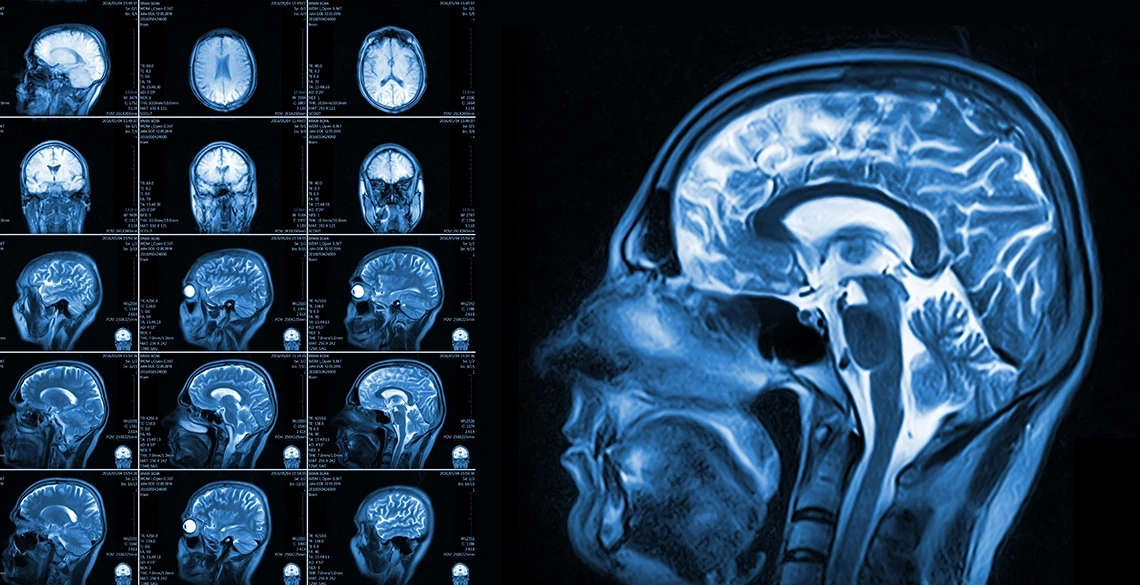
When a doctor recommends mri scans, it is normal to have questions. MRI, or magnetic resonance imaging, uses a powerful magnetic field and radio waves to create detailed images of structures inside the body. Unlike X-rays and CT scans, MRI does not use ionizing radiation, making it particularly useful for examining soft tissues such as the brain, spinal cord, muscles, ligaments, joints, and internal organs.
Understanding how an MRI works and what happens during the appointment can make the experience much easier. Patients often worry about the enclosed scanner, the loud sounds, preparation requirements, or whether contrast material will be necessary. Knowing what to expect helps you prepare appropriately and communicate concerns with the imaging team.
An MRI scanner contains a strong magnet and radiofrequency equipment. The magnetic field temporarily affects hydrogen atoms in the body’s tissues. Radio waves are then used to produce signals that a computer converts into highly detailed images.
MRI is especially valuable when doctors need to distinguish between different types of soft tissue. For example, an orthopedic specialist may use an MRI to investigate a suspected ligament injury after a sports accident, while a neurologist may request brain or spine imaging when evaluating certain neurological symptoms.
Common areas examined with MRI include:
The exact type of MRI depends on the medical question being investigated. A doctor may request imaging of a specific body part rather than a general examination.
Preparation varies depending on the type of examination. Some MRI appointments require little preparation, while others may involve fasting or special instructions.
This is one of the most important safety steps. MRI uses a very strong magnetic field, so patients should disclose medical implants, devices, or metal fragments before entering the scanner area.
Tell the medical team if you have devices or materials such as:
Do not assume that an implant automatically prevents MRI. Many modern devices are designed to be MRI-conditional under specific circumstances. The imaging team needs to verify the device and follow the appropriate safety requirements.
Some examinations require fasting, particularly when contrast material or sedation is involved. Others allow patients to eat and drink normally.
Follow the instructions provided by your healthcare provider or imaging facility rather than relying on general advice found online. If you take regular medication, ask whether you should take it normally on the day of the examination.
Metal can interfere with MRI safety and image quality. Depending on the facility, you may be asked to change into a hospital gown.
Remove items such as watches, jewelry, hair accessories containing metal, hearing aids, and other personal objects before entering the scanner room. Phones, wallets, keys, and credit cards also need to stay outside the MRI room because the magnetic field can damage certain objects.
Once preparation is complete, you will lie on a padded table that moves into the scanner. The body part being examined is positioned carefully so the equipment can capture clear images.
The scanner may look intimidating, but the examination itself is generally painless. You will hear loud knocking, tapping, or buzzing sounds as different components operate. The imaging facility typically provides hearing protection.
The most important instruction is to remain still. Even small movements can blur images and may require certain sequences to be repeated.
The technologist can communicate with you during the examination. Many scanners also have a call button or another way to alert the technologist if you need assistance.
Some people find the enclosed space uncomfortable. If you have experienced claustrophobia before, tell the imaging team before the examination begins.
Depending on the circumstances, the facility may offer options such as a wider-bore scanner, an open MRI system where appropriate, relaxation techniques, or medication prescribed by a healthcare professional.
Do not wait until you are already inside the scanner to mention severe anxiety. Discuss it beforehand so the team can plan appropriately.
Some MRI examinations use a contrast agent to make particular tissues, blood vessels, inflammation, or abnormalities easier to distinguish.
A commonly used MRI contrast agent is based on gadolinium. Whether contrast is appropriate depends on the clinical question and the patient’s circumstances.
Before receiving contrast, tell your healthcare team about relevant medical conditions, previous reactions to contrast agents, and any other information they request. Kidney function may also be considered in certain situations.
Contrast is not automatically necessary for every MRI. The decision depends on what the doctor needs to evaluate.
Several avoidable issues can make an MRI appointment more difficult.
This can create a serious safety issue. Always provide complete information about implants and previous procedures, even if you think the material is small or insignificant.
An MRI can involve several imaging sequences, and some take several minutes. Try to stay as still and relaxed as possible. If you are uncomfortable, communicate with the technologist rather than repeatedly shifting position.
Fear of the scanner is common. Planning ahead can make a substantial difference. Ask about the scanner environment, approximate examination length, and available accommodations before your appointment.
Preparation depends on the body area and examination protocol. Instructions for a knee MRI may be very different from those for an abdominal examination.
A few simple habits can improve the experience.
First, arrive early enough to complete screening paperwork without feeling rushed. MRI safety questionnaires are important, so answer them carefully.
Second, wear comfortable clothing without unnecessary metal when the facility permits it. This can make preparation faster.
Third, ask questions before the scan starts. If you want to know how long the examination is expected to take or whether contrast will be used, the technologist can usually explain the process.
Fourth, practice slow breathing if you become tense. Relaxing the muscles and maintaining steady breathing can make it easier to remain still.
Finally, remember that the technologist’s job is not simply to operate the scanner. They are also there to monitor the examination and help address problems during the procedure.
MRI scans provide detailed views of many parts of the body and are particularly useful when doctors need to evaluate soft tissues without using ionizing radiation. The examination is generally painless, but preparation and communication are important.
Before your appointment, disclose implants and metal exposure, follow the facility’s specific preparation instructions, and discuss claustrophobia or other concerns in advance. During the scan, staying still and following the technologist’s instructions helps produce clearer images. With a little preparation, an MRI can be a straightforward and informative part of the diagnostic process.





Join The Discussion