
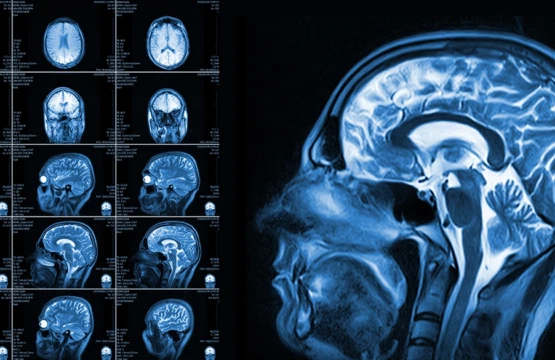
MRI Scans: What to Expect Before, During, and After the Exam
- October 2, 2026
- blog
When a doctor recommends mri scans, it is normal to have questions. MRI, or magnetic resonance imaging, uses a powerful magnetic field... Read More
 by meh.riztech
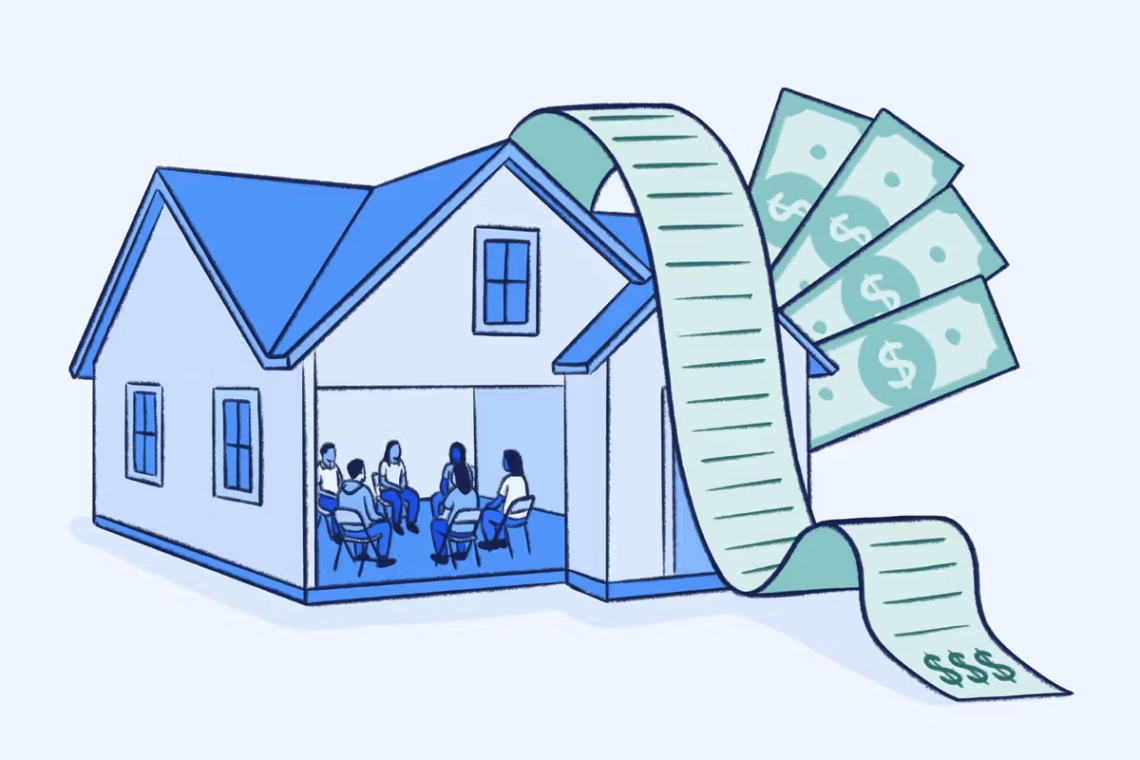
Recovery housing can provide an important bridge between structured treatment and independent living. For someone leaving residential treatment, a hospital, or another highly supervised setting, returning immediately to an unstable or substance-filled environment can make long-term recovery more difficult. A well-managed recovery housing environment offers a place where residents can practice sober living while gradually rebuilding routines, relationships, and independence.
The value of recovery housing goes beyond simply providing a bed. The environment, expectations, peer support, and connection to community resources can all influence whether someone develops sustainable habits. However, not every recovery residence operates the same way, so understanding what to look for is essential for residents, families, and professionals helping someone transition into recovery.
Recovery housing is a substance-free living environment designed to support people who are working toward stable recovery from substance use. Unlike clinical treatment programs, recovery homes generally are not substitutes for detoxification, medical care, or intensive therapy. Instead, they provide a structured living setting where residents can maintain recovery while returning to everyday responsibilities.
Residents may share a house, apartment, or other community-based residence. Depending on the program, rules can cover substance use, visitors, curfews, employment, meetings, chores, and participation in recovery-related activities.
A strong recovery residence typically combines accountability with independence. Residents are expected to manage many aspects of daily life, but they are not left completely on their own.
For example, someone who has completed inpatient treatment may move into a recovery residence and begin working again. Instead of immediately returning to an old environment, they have a stable place to sleep, peers who understand recovery, and clear expectations around maintaining a substance-free lifestyle.
Recovery housing can address several practical problems that often arise after formal treatment ends.
Housing instability can create significant stress during recovery. A predictable place to live allows residents to focus on employment, relationships, health, and other priorities instead of constantly worrying about where they will stay.
Living alongside other people in recovery can create informal accountability. Residents may notice when someone is struggling, encourage participation in recovery activities, or simply provide companionship during difficult periods.
Peer support does not replace professional treatment, but it can make recovery feel less isolated.
A structured residence may establish expectations around waking times, chores, meetings, employment, and curfews. These routines can help residents rebuild habits that may have been disrupted by substance use.
The goal is not permanent supervision. Ideally, structure gradually supports greater independence.
Recovery housing can also make it easier to stay connected with outpatient counseling, support groups, employment services, transportation, healthcare, and other community resources.
This is particularly useful during the transition period when a person may need several types of support at once.
Finding the right residence requires more than comparing rent prices or looking at photographs online. The quality and philosophy of the housing program matter considerably.
Start by determining how much structure is appropriate.
Some residents may need a highly structured environment with regular accountability, while others may be ready for a more independent residence. Someone requiring medical supervision or intensive clinical treatment may need a different level of care altogether.
Ask what happens when a resident experiences a relapse, mental health crisis, or medical emergency. A responsible program should have clear procedures rather than relying on improvised decisions.
Before moving in, request the complete house rules.
Important questions include:
Clear expectations reduce misunderstandings after someone moves in.
The people managing the residence have a major influence on the living environment.
Ask who supervises the property, how complaints are handled, and whether residents have a way to report safety or rule concerns. It is also useful to understand whether staff receive relevant training and whether the residence follows recognized recovery housing standards.
A professional operation should be able to explain its policies clearly and consistently.
Location affects more than convenience.
A residence close to employment opportunities, public transportation, healthcare, recovery meetings, grocery stores, and other essential services may make daily life considerably easier.
At the same time, proximity to places or social environments strongly associated with previous substance use may be an important consideration for some residents.
Cost should be understood before signing an agreement.
Ask about rent, deposits, utilities, testing fees, administrative charges, and other recurring expenses. Also clarify what happens if employment is temporarily lost.
For example, a resident who expects to start a job two weeks after moving in should know whether the residence offers any payment flexibility during that transition.
Recovery housing can be beneficial, but it is not automatically a positive experience.
One common challenge is conflict between residents. Shared living requires communication, respect for boundaries, and willingness to follow household rules. Personality differences can become stressful when several people live together.
Another challenge is finding the right balance between accountability and autonomy. Excessive control can make residents feel unable to develop independence, while insufficient structure may create an environment that does not support recovery.
Relapse is another important consideration. Programs should have clearly communicated procedures for responding to substance use. Residents and families should understand these procedures before moving in rather than discovering them during a crisis.
Finally, residents can sometimes become overly dependent on the recovery environment. The ultimate objective should generally include developing skills for sustainable independent living, not remaining dependent on a structured house indefinitely.
Before choosing a residence, speak directly with current or former residents when possible. Their experiences can reveal details that a program’s formal description may not explain.
Visit the property if practical. Pay attention to cleanliness, privacy, sleeping arrangements, common areas, safety, and whether the atmosphere appears consistent with the program’s stated expectations.
Keep important documents and emergency contacts accessible. Residents should also have a realistic plan for transportation, employment, healthcare, and ongoing recovery support.
Families can help by focusing on sustainable support rather than trying to control every aspect of the resident’s recovery. Recovery housing works best when residents understand the expectations and actively participate in their own transition.
Most importantly, remember that housing is only one component of recovery. Depending on the person’s circumstances, ongoing counseling, medication management, peer support, healthcare, employment assistance, or other services may also be appropriate.
Recovery housing can provide a valuable transition between intensive treatment and independent living by combining stable housing, peer connection, accountability, and daily structure. The right environment can help residents establish routines and practical skills while continuing their recovery in the community.
Choosing carefully is essential. Evaluate the level of support, house rules, management practices, location, costs, safety procedures, and approach to relapse before making a decision. Recovery housing should ultimately help a person move toward greater stability and independence—not simply provide temporary accommodation.



Join The Discussion