


Understanding Common Range Problems and Repair Needs
- November 6, 2026
- blog
The Role of a Range in Everyday Cooking A kitchen range is an essential appliance that combines cooking functions to support daily... Read More
 by meh.riztech
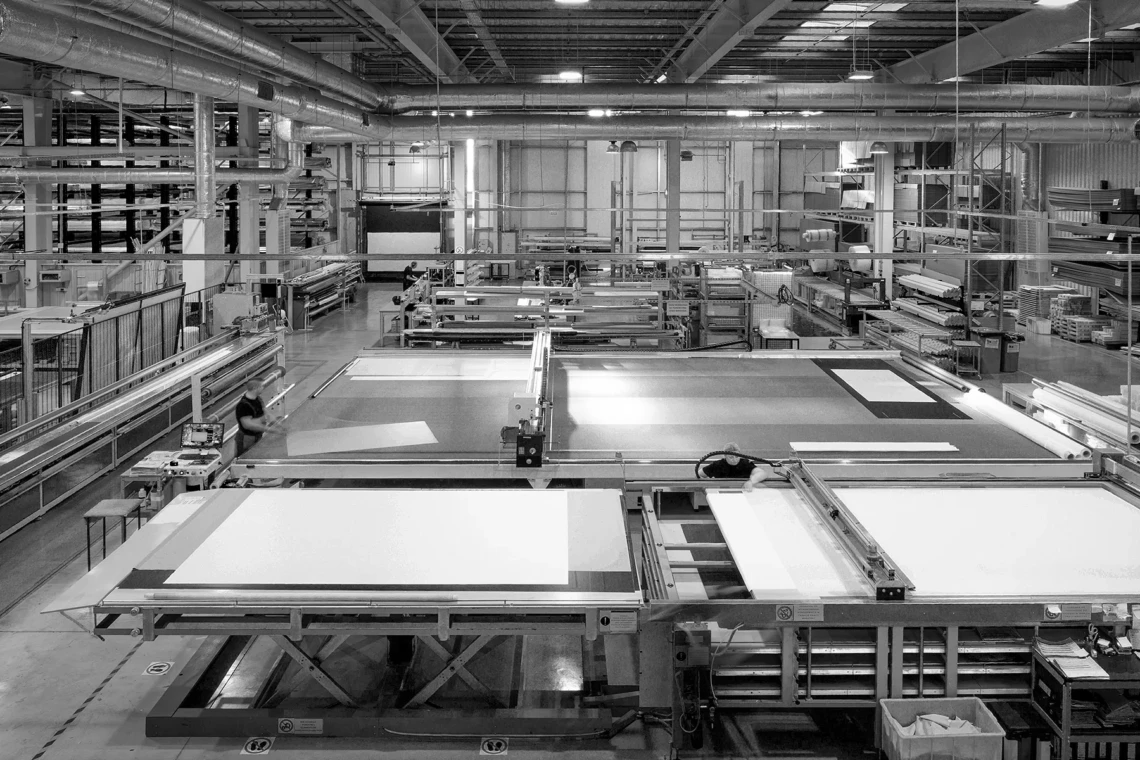
Choosing the right screen products for a home, commercial property, or outdoor space is more involved than simply finding a mesh that fits an opening. A screen has to balance visibility, airflow, durability, appearance, and resistance to the conditions where it will be installed. That is why selecting a reliable U.S. Screen Company or manufacturer should involve more than comparing prices.
Whether you are replacing damaged window screens, planning a screened porch, protecting a commercial opening, or sourcing screening materials for a larger project, understanding how screen products are made and evaluated can prevent costly mistakes. The right choice depends on the application, environmental conditions, frame design, and expected level of use.
A good screen should solve a specific problem without creating another one. For example, a tightly woven mesh may provide better insect protection but can reduce airflow, while a lightweight material may be easier to install but less resistant to repeated handling. Understanding these tradeoffs makes it easier to choose a product that performs well beyond the initial installation.
Screening products can look similar at first glance, but their performance can vary considerably. Several factors determine whether a screen is appropriate for a particular application.
Material is one of the most important considerations. Fiberglass mesh is commonly used for residential applications because it is flexible, relatively easy to install, and resistant to corrosion. Aluminum mesh can provide greater rigidity and may be appropriate where additional strength is needed. Specialty materials can offer additional resistance to pets, impacts, or harsh weather.
Mesh size also matters. The smaller the openings, the better the screen can be at blocking small insects. However, finer mesh can restrict airflow and reduce visibility. There is no universally ideal mesh size; the appropriate choice depends on what the screen needs to accomplish.
Coating and finish can influence longevity. Outdoor screens may face moisture, ultraviolet exposure, temperature changes, and airborne contaminants. A suitable finish can help the material maintain its appearance and structural properties over time.
Finally, consider the frame and installation system. Even a high-quality mesh can perform poorly if it is stretched incorrectly, installed in an unsuitable frame, or exposed to excessive tension.
A practical selection process starts with the environment rather than the product catalog.
Start by asking what the screen is supposed to do.
For a standard residential window, the primary goals might be keeping insects outside while maintaining ventilation and visibility. A screened patio may require stronger material because people will interact with the screen more frequently. A commercial application may place greater emphasis on durability, appearance, and maintenance requirements.
Writing down the primary purpose prevents unnecessary upgrades and helps narrow the available options.
Next, consider where the screen will be installed.
An exterior screen exposed to direct sunlight and rain has different requirements from an interior screen. Coastal environments can also present additional challenges because salt and moisture may accelerate corrosion in unsuitable materials.
For example, a homeowner near the coast should pay closer attention to corrosion resistance than someone installing a screen in a dry inland environment.
Not every screen needs the same level of strength.
A second-story window may experience very little physical contact. A patio door, pet-access area, or frequently used enclosure can experience considerably more stress.
If children, pets, furniture, or outdoor equipment are likely to contact the screen, choosing a more durable material may be worthwhile. The objective is not simply buying the strongest available product but matching durability to actual use.
Screen selection often involves a compromise between protection and openness.
A finer mesh can help block smaller insects, but increased density can reduce airflow and visibility. If a screened porch is intended to provide comfortable ventilation, choosing an extremely dense material without considering airflow could undermine the purpose of the enclosure.
Think about the environment as a whole. A screen installed in a naturally breezy location may tolerate a different mesh design than one installed where airflow is already limited.
Accurate measurements are essential.
Measure the opening at multiple points because frames and structures are not always perfectly square. Record width and height separately and follow the manufacturer’s recommended measurement method.
For replacement screens, also inspect the existing frame, spline, corners, and channels. Replacing only the mesh may not solve the problem if the frame has warped or the retaining system has deteriorated.
One common mistake is selecting a product based entirely on price per square foot. Lower upfront cost does not necessarily mean lower overall cost. If a screen fails prematurely and requires replacement and additional labor, the original savings may disappear.
Another mistake is assuming that all mesh materials provide the same performance. Fiberglass, aluminum, polyester, and specialty meshes have different characteristics. The correct choice depends on the application.
Poor measurement is another frequent problem. A screen that is slightly too large or too small can create installation difficulties, gaps, wrinkles, or inadequate tension.
People also sometimes overlook the surrounding hardware. A damaged frame, worn spline, weak corner, or deteriorated fastener can become the actual failure point.
Finally, some buyers choose extremely heavy-duty materials for applications that do not require them. Added strength can come with higher costs, different installation requirements, reduced airflow, or lower visibility.
Inspect screens at least once or twice a year, particularly before seasons when windows and outdoor living areas are used heavily. Look for small tears, loose edges, corrosion, stretched mesh, and damaged frames.
Clean screens gently rather than using aggressive tools that could damage the mesh. A soft brush or appropriate cleaning method can remove accumulated dust and debris without unnecessarily stressing the material.
Repair small problems early. A tiny tear can expand when the screen is repeatedly exposed to wind or physical contact. Replacing a damaged section promptly can prevent a much larger repair later.
For larger projects, request technical information before ordering. Useful details may include mesh dimensions, material composition, coating specifications, recommended applications, environmental limitations, and installation requirements.
It is also worth considering replacement availability. A product that is easy to source today but difficult to match later can create unnecessary maintenance problems. Keeping basic product information and measurements on file makes future repairs considerably easier.
Selecting a screen is ultimately an exercise in matching materials and construction to real-world conditions. The best choice depends on the opening, environment, exposure, level of physical contact, insect-control requirements, airflow expectations, and maintenance needs.
Rather than choosing solely by appearance or price, evaluate the material, mesh design, frame quality, installation method, and expected service conditions together. A thoughtful selection process can improve durability, reduce maintenance, and deliver better performance over the life of the installation.
For homeowners and contractors alike, the most useful approach is simple: define the job first, understand the environmental demands, measure carefully, and choose a screen system designed for those specific conditions.

For UK gamblers looking to manage... Read More

The Role of a Range in... Read More
The Benefits of Quality Metal Fencing... Read More

Join The Discussion