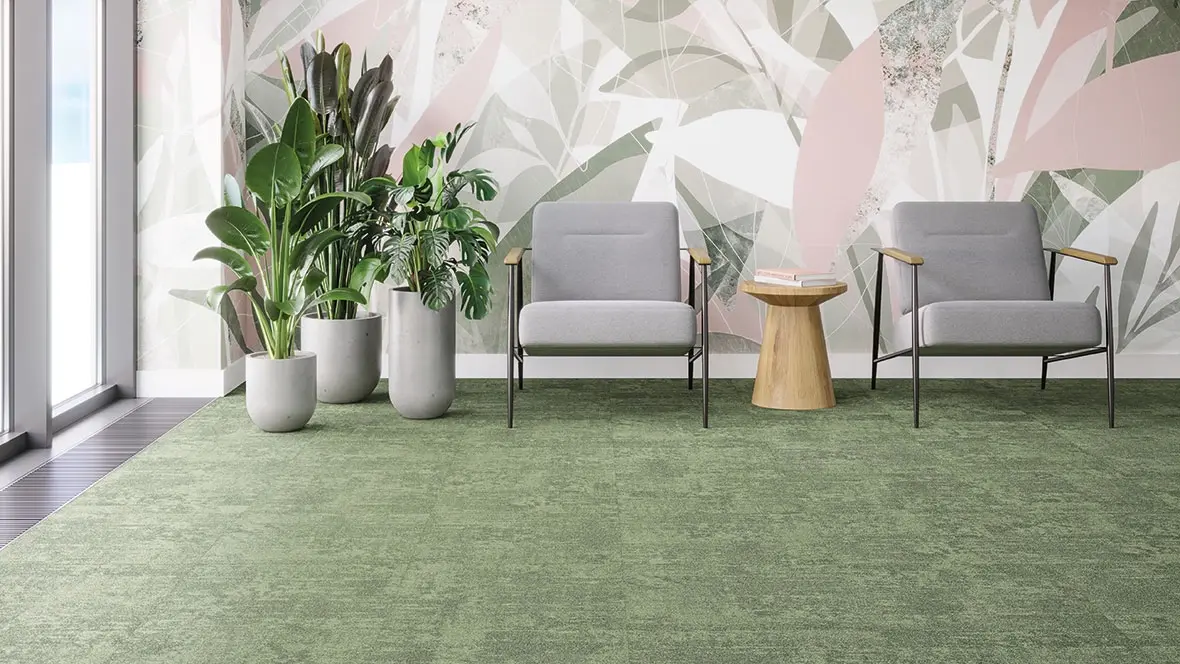
Rooms that change over time benefit from surfaces that can adapt. An office may rearrange desks, a playroom may develop a stained section, and a hobby room may need access to part of the subfloor. Modular carpet squares divide the surface into manageable pieces instead of one continuous roll.
This format can simplify localized repairs and support creative layouts. However, the base must still be prepared correctly, and the chosen installation method should fit the room. Planning pile direction, seams, adhesive, and spare material produces a more consistent result.
Understand the Modular Format
Carpet squares are manufactured as separate modules in consistent sizes. They may use a bitumen, vinyl, cushion, or other backing, depending on the product. Installation can involve pressure-sensitive adhesive, tabs, or another approved system.Buyers should compare carpet tile options by intended use, backing, pile, size, and installation requirements. A commercial office product may feel different from a cushioned residential square, even when both use the same basic format.
Localized Replacement Is a Major Advantage
When one module becomes stained or damaged, it may be replaced without removing the full room. This can be useful in playrooms, offices, basements, and rental spaces where isolated accidents are likely. Replacement works best when spare modules from the original batch are stored properly. A newly installed piece may look slightly different at first because surrounding material has experienced traffic and light, but routine use can reduce the contrast.
Flexible Designs Can Organize a Room
Different colors can create borders, paths, or activity zones. Quarter-turn and ashlar layouts change how pile direction and seams appear. A simple plan on paper prevents random placement from creating an unintended pattern. A restrained design is often easier to maintain visually. Too many contrasting colors can make a small room feel busy, while a subtle blend can hide minor soil and replacement pieces.
Offices Need Rolling and Static Planning
Low, dense pile generally supports chairs and carts better than a deep soft surface. Chair mats or suitable casters may still be needed to protect high-use spots. Product ratings should match the expected traffic. Technology rooms may have additional requirements related to static electricity or access flooring. A general decorative module should not be assumed suitable for specialized equipment areas without written specifications.
Playrooms Need Cleanability and Comfort
A playroom surface should feel comfortable while handling toys, food, crafts, and frequent movement. Modular replacement can be useful after a permanent stain, but daily cleanability still depends on fiber and pile. Adults should consider small loose parts, seam security, and edge finishing. The installation needs to remain stable so modules do not lift during active play.
Basements Require Moisture Investigation
Concrete below grade can release moisture or experience water entry. Carpet squares should not be used to cover an unresolved dampness problem. Moisture testing, drainage correction, and suitable product selection come first. Some backings tolerate specific conditions better than others, but no carpet product protects walls or stored belongings from a leak. The room should be dry and stable before installation.
Subfloor Preparation Still Matters
Modules can follow dips, ridges, and debris. Unevenness may create rocking corners or visible height changes. The base should be clean, smooth, sound, and compatible with the installation system. Old adhesive and coatings require evaluation. Residue can interfere with new pressure-sensitive adhesive, while aggressive removal can damage the base. An approved preparation method should be selected.
Pile Direction Controls the Finished Look
Arrows on the back commonly show pile direction. Installing every arrow the same way creates one appearance, while rotating modules can create a checkerboard effect even when the color is identical. The chosen direction should be planned before adhesive is spread. Opening several boxes and dry-laying a small area helps reveal shade differences and pattern behavior.
Adhesive Timing Needs Attention
Pressure-sensitive adhesive often needs to dry to a tacky state before modules are installed. Placing material while the adhesive is too wet may make future removal difficult and can allow movement. Coverage, trowel or roller method, open time, and curing conditions should follow the exact product instructions. Installers should work in sections that can be completed within the available time.
Edges and Transitions Complete the Project
Unprotected edges can lift or create a trip point. Doorways and connections to other materials need suitable transition profiles. Walls should receive neat cuts that remain concealed beneath base or trim. A broader carpet collection can help buyers compare modular construction with wall-to-wall options. The choice depends on whether repair flexibility or seamless softness has greater value in the room.
Routine Care Preserves the Pattern
Frequent vacuuming prevents soil from settling into traffic paths. Spills should be treated according to the fiber and backing instructions. A module should be removed for cleaning only when the installation system permits it. Rotating or replacing a section can refresh a high-use area, but modules should maintain consistent pile direction. Maintenance staff or household members should keep a layout note with the spare pieces.
Calculate Quantity and Keep Extras
Room measurements should include alcoves, closets, and layout waste. Patterned designs or diagonal installation need a larger allowance. Extra pieces are valuable for repairs and should be included from the beginning. Spare modules should remain flat, dry, and protected from sunlight. Labeling them with product and batch details will help future users understand what belongs to the room.
Test the Pattern Before Full Installation
A dry layout of several rows can reveal unexpected shade changes, directional effects, or narrow cuts at the walls. Modules from several cartons should be mixed so normal production variation is distributed rather than concentrated in one corner. If the pattern includes more than one color, the installer can confirm the repeat before adhesive makes changes difficult.
The test area also helps verify that doors will clear the completed height and that transitions align with adjacent surfaces. Correcting the grid at this stage is faster than shifting an entire installed room. A few minutes of layout review can protect both the visual design and the installation schedule.
Label the Spare Modules Clearly
Extra modules are most useful when future occupants can identify them. The package should record the room, manufacturer, product name, color, batch, purchase date, and original layout direction. A quick photograph of the installed pattern can be stored with the label.
This record prevents a repair team from rotating the pile incorrectly or using a similar-looking piece from another area. It also helps the owner determine whether a limited repair remains possible before ordering an unrelated replacement.
Final Thoughts
Modular carpet squares work well in offices, playrooms, and flexible spaces because they support localized replacement and adaptable design. Their success still depends on moisture control, a smooth base, correct pile direction, compatible adhesive, and secure transitions. With spare modules and regular cleaning, the surface can respond to changing room needs without requiring full replacement after every isolated problem.

 by
by 
Join The Discussion