

Is Mobile Casino Gaming Worth the Hype? Discover the Pros and Cons
- November 5, 2026
- Uncategorized
Is Mobile Casino Gaming Worth the Hype? Discover the Pros and Cons In recent years, mobile casino gaming has seen a remarkable... Read More
 by meh.riztech
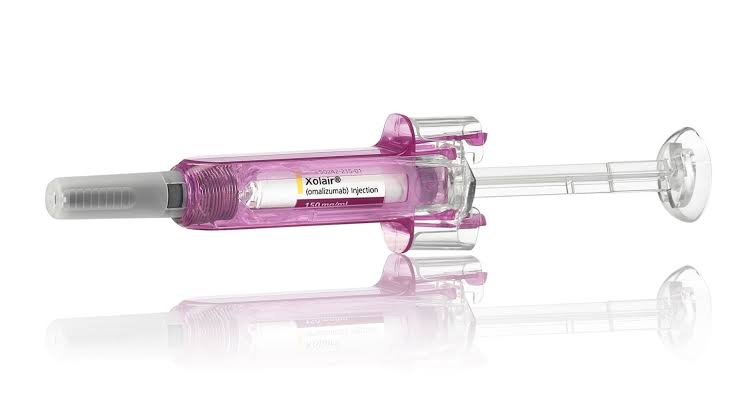
Allergic conditions can be frustrating because symptoms may continue even when a person avoids triggers or uses standard medicines. For some people with difficult-to-control allergic conditions, biologic treatment can target an underlying part of the immune response rather than simply treating symptoms. xolair injection, the brand name for omalizumab, is one such treatment and has several FDA-approved uses.
Understanding what this medication actually does is important because “allergy treatment” is a broad term. Xolair is not a general-purpose injection for every allergy, and it is not an emergency treatment for anaphylaxis. Its usefulness depends on the diagnosis, age, clinical history, laboratory findings, and the specific condition being treated.
Xolair is a biologic medicine called a monoclonal antibody. It targets immunoglobulin E, commonly called IgE, an antibody involved in several allergic immune responses. By binding to IgE, omalizumab reduces the amount of free IgE available to interact with receptors on certain immune cells. This can reduce IgE-driven allergic inflammation.
In the United States, Xolair has approved uses for moderate-to-severe persistent allergic asthma, chronic rhinosinusitis with nasal polyps in adults, chronic spontaneous urticaria in eligible patients age 12 and older, and IgE-mediated food allergy in eligible patients age 1 and older. The eligibility requirements differ by condition.
That distinction matters. Someone with seasonal sneezing, for example, should not assume that Xolair is automatically appropriate simply because symptoms are allergy-related. A clinician first needs to determine whether the person’s condition fits an approved indication and whether other treatments have been adequate.
A useful way to understand Xolair is to think about IgE as one of the signals involved in an allergic response. When a susceptible person encounters an allergen, IgE can participate in activating immune cells that release substances responsible for symptoms such as itching, swelling, mucus production, wheezing, and hives.
Omalizumab binds to IgE and lowers free IgE levels. Over time, this also reduces the availability of IgE receptors on relevant immune cells. The result is less IgE-driven allergic activity.
This mechanism explains why Xolair can be useful across several conditions while also explaining why it does not work as a universal treatment for every type of allergy.
Eligibility should be determined by an allergy specialist, pulmonologist, ENT specialist, or another qualified clinician familiar with the relevant condition.
For allergic asthma, Xolair is used in certain patients with moderate-to-severe persistent asthma whose symptoms are inadequately controlled with inhaled corticosteroids and who have evidence of sensitivity to perennial aeroallergens. Dosing is based on pretreatment serum total IgE and body weight.
For example, a patient who continues to experience asthma symptoms despite appropriate controller therapy may be evaluated for biologic treatment. The decision is not based on symptoms alone; the clinician considers the diagnosis, allergy testing, treatment history, and other clinical factors.
People with chronic spontaneous urticaria may develop recurring hives and itching without an obvious external trigger. Xolair is approved for adults and adolescents 12 and older who remain symptomatic despite H1 antihistamine treatment. Unlike asthma dosing, dosing for chronic spontaneous urticaria is not based on body weight or serum IgE level.
Xolair is also approved for certain people with IgE-mediated food allergy. It is intended to reduce allergic reactions, including anaphylaxis, that may occur after accidental exposure to one or more foods.
This does not mean a person can safely eat a known allergen. Continued food avoidance is still required, and Xolair is not a substitute for emergency treatment such as epinephrine when anaphylaxis occurs.
For adults with chronic rhinosinusitis with nasal polyps who have not responded adequately to nasal corticosteroids, Xolair can be used as add-on maintenance treatment. The condition can cause nasal blockage, reduced sense of smell, and persistent sinus symptoms.
Xolair is administered by subcutaneous injection. Depending on the indication, dosing can occur every two or four weeks. The prescribed dose is determined by the condition being treated and, for some indications, factors such as body weight and pretreatment IgE level.
A treatment discussion should cover more than the injection itself. Patients should understand the expected benefits, possible adverse effects, administration arrangements, and what to do if an allergic emergency occurs.
The FDA labeling includes a boxed warning for anaphylaxis. Because serious allergic reactions can occur after administration, treatment should be initiated in an appropriate healthcare setting prepared to manage anaphylaxis. Selected patients may later be candidates for self-administration after appropriate assessment.
One common mistake is treating Xolair as an “allergy shot” in the traditional sense. It is different from allergen immunotherapy, which involves controlled exposure to specific allergens to modify the immune response.
Another mistake is expecting immediate relief during an acute allergic reaction. Xolair is not approved for emergency treatment of anaphylaxis or acute bronchospasm. People at risk of severe allergic reactions need an appropriate emergency action plan.
Patients may also assume that changing the dose will produce better results. Biologic dosing should follow the regimen prescribed for the specific indication rather than being adjusted independently.
Finally, stopping other prescribed allergy or asthma medicines without medical advice can create unnecessary risk. Xolair may be part of a broader treatment plan rather than an automatic replacement for existing medications.
Start with an accurate diagnosis. Ask your clinician which specific condition is being treated and why Xolair is appropriate for it.
Keep a symptom record. For asthma, note nighttime symptoms, rescue-medication use, breathing problems, and activity limitations. For hives, record frequency, duration, and severity. A clear history can help evaluate treatment response.
Ask about the treatment schedule. Biologic therapy is generally a planned, ongoing treatment rather than a one-time solution. Understanding the schedule can make adherence easier.
Know your emergency plan. If you have a history of severe allergic reactions, make sure you understand which symptoms require emergency care and which medications should be used immediately.
Discuss side effects. Injection-site reactions and other adverse effects can occur. The reported adverse reactions vary according to the condition being treated. Report concerning or unusual symptoms promptly rather than assuming they are unrelated.
Attend follow-up appointments. Your clinician may need time and repeated assessments to determine whether treatment is providing meaningful control of the condition.
Xolair injection is a targeted anti-IgE biologic used for several specific allergic and inflammatory conditions, including eligible cases of allergic asthma, chronic spontaneous urticaria, chronic rhinosinusitis with nasal polyps, and IgE-mediated food allergy. Its role differs for each condition, so treatment decisions should be based on an individual medical evaluation rather than the presence of “allergies” alone.
The key takeaway is that Xolair is part of a comprehensive treatment strategy. It can reduce IgE-driven allergic activity in appropriate patients, but it does not eliminate the need for trigger avoidance, prescribed medicines, monitoring, or emergency treatment when a severe allergic reaction occurs.

QuickBooks contains all of the vital financial data like transactions, customers’ information, invoices, and other reports for the business. A good backup... Read More


Join The Discussion